

Bulk Veterinary Fluralaner Liquid for Effective Parasite Control in Animals
2026-08-15
Flea and tick infestations can cripple a herd or kennel overnight, yet many suppliers still rely on outdated treatments that lose their punch within weeks. What if you could stock a single, long-acting solution that keeps every animal under your care protected without constant re-dosing? Bulk veterinary fluralaner liquid from Lucpets delivers exactly that – potent, reliable parasite control in a cost-efficient format designed for high-volume operations. In this post, we’ll break down how this advanced isoxazoline works, why bulk buying makes sense, and what to watch for when choosing a supplier.
What Makes Fluralaner Liquid a Strong Choice for Parasite Control
Fluralaner liquid stands out because it attacks parasites from the inside out. After a single oral dose, the active ingredient circulates in the bloodstream, so fleas and ticks are exposed as soon as they bite. Unlike topical treatments that can be washed off or rubbed away, this systemic approach keeps working even if your pet swims, gets bathed, or rolls in the grass. The rapid onset means adult fleas start dying within hours, which gives quick relief to itchy pets and helps break the flea life cycle before eggs can be laid.
Another reason many pet owners prefer the liquid form is the extended coverage. One dose can protect against fleas and multiple tick species for up to 12 weeks, depending on the specific product and veterinarian's guidance. That long window reduces the chance of missed doses and keeps protection consistent. For busy households, it's a practical alternative to monthly topicals that require careful application to the skin and a waiting period before contact.
Safety and tolerability also play a big role. Fluralaner belongs to the isoxazoline class, which targets specific nerve receptors in parasites that mammals don't share to the same degree. While no medication is without risk, many dogs and cats handle the liquid well, and the dose is calculated by body weight for accurate delivery. Working with a veterinarian ensures the right concentration and schedule, making fluralaner liquid a dependable option for pets at risk of flea and tick infestations throughout the year.
Bulk Ordering Considerations for Veterinary Practices and Shelters
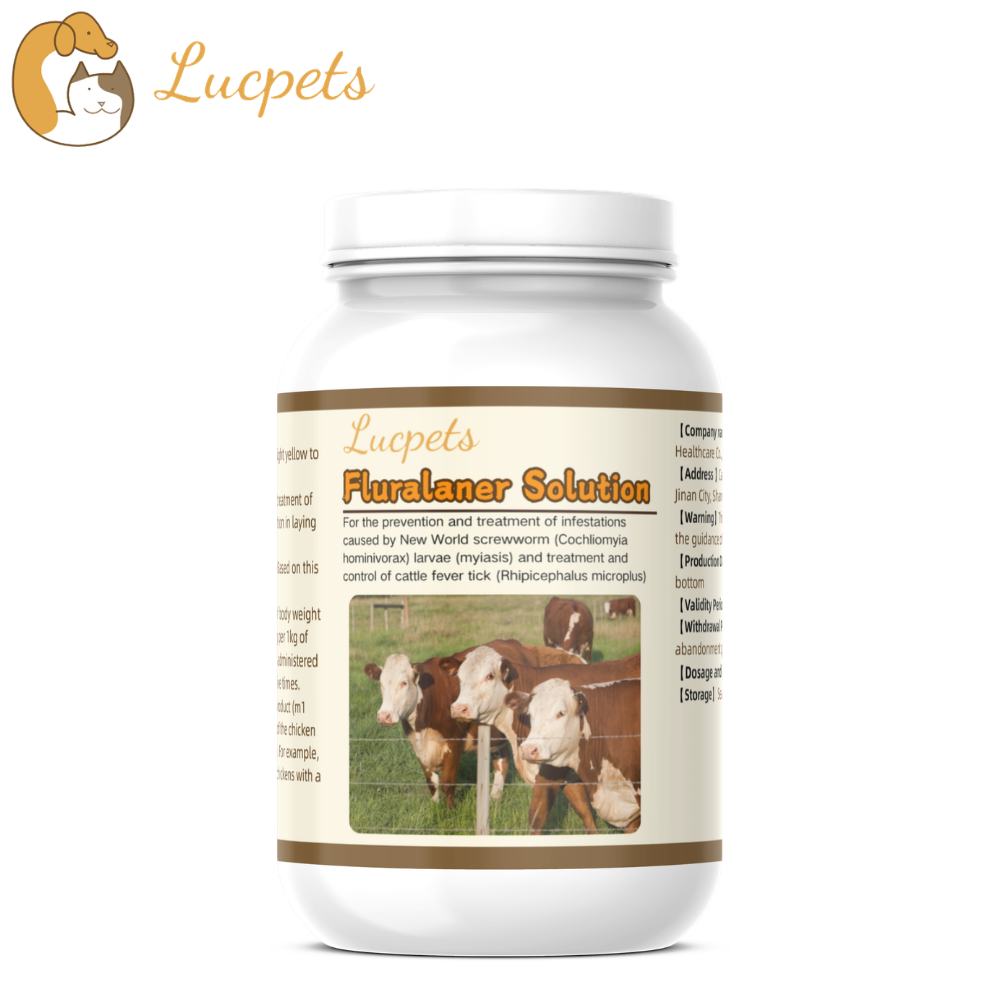
For clinics managing a steady stream of surgical cases, buying in larger quantities often hinges on predictability—the same anesthetic agents, suture sizes, and vaccines used month after month. Shelters, by contrast, operate in a much more volatile environment where intake numbers swing with the seasons and public surrender patterns. This means the bulk decisions each makes are rarely interchangeable; a vet practice might lock in a quarterly order to maintain formulary consistency, while a shelter may prefer a flexible arrangement that allows volume adjustments without penalty.
Storage space is another quiet constraint. A small veterinary office rarely has room for pallets of flea prevention or urinary diet cans, so “bulk” might mean an extra case or two rather than a truckload. Temperature-sensitive items like insulin, certain antibiotics, and probiotics demand reliable refrigeration or climate control, and any savings from a large purchase can evaporate if a storage unit fails. Shelters face the added wrinkle of donated goods arriving unpredictably, so their own bulk orders often focus on core consumables—cleaning agents, litter, blankets, or generic dewormers—where a surplus is less likely to become a liability.
A practical approach is to review historical usage data before committing to a larger order. Look at monthly consumption rates for high-turnover SKUs, note seasonal spikes (e.g., parvovirus cases in summer or kitten season intake), and build a buffer that doesn’t exceed 10–15% above the maximum expected need. Negotiating with suppliers for split shipments or delayed billing can also help manage cash flow, especially for shelters operating on tight donor cycles. Ultimately, the goal is to avoid both stockouts and dusty overstock, because every expired box of preventatives or torn bag of food represents either lost funds or missed care for an animal in need.
Dosing Tips That Reduce Stress for Animals and Staff
Timing a dose around natural rhythms rather than forcing a rigid clock schedule often keeps animals calmer. Waiting until they are naturally relaxed—after a meal, during quiet afternoon hours, or following a walk—can turn a stressful event into a routine they barely notice. Staff quickly learn that pushing a set time onto an anxious animal multiplies everyone's tension, while a few minutes of flexibility saves real effort.
Pairing any oral medication with a high-value treat that masks the smell and taste does more than hide the pill—it builds a positive association. Rotating the treat type prevents boredom and suspicion, and allowing the animal to take the dose from a familiar hand rather than a restraint hold lowers defensive reactions. For liquids, dosing into the side of the mouth instead of the back reduces gagging and choking panic, which staff can teach each other in under a minute.
Never underestimate the power of where dosing happens. A quiet corner away from kennel noise or clinic traffic, with the animal's own blanket or toy nearby, lowers heart rate before the first touch. Staff who speak in low tones and avoid direct eye contact during the procedure give the animal a way to stay calm without feeling cornered. When multiple doses are needed in a day, keep the same spot and same handler whenever possible—predictability is a stress reliever no drug can replace.
How Long Does Protection Last After a Single Treatment
The longevity of protection from a single treatment depends heavily on what you're treating and how much wear it sees. For high-traffic areas like entryway carpets or kitchen countertops, you can typically expect the protective barrier to remain effective for about six to twelve months. In less demanding spaces—think guest room upholstery or a formal dining table—the same treatment often holds up for two years or more. It's not a fixed clock; it's more like a slow fade where the shield gradually loses its grip as cleaning, foot traffic, and UV exposure take their toll.
You'll know it's time to reapply when liquids no longer bead up on the surface, or when stains start to set in faster than they used to. Some treatments also lose their antimicrobial or water-repelling properties silently, so a yearly check is wise even if nothing looks wrong. The good news is that a single well-applied treatment rarely needs monthly touch-ups; instead, think of it as seasonal maintenance rather than constant upkeep.
Spotting Quality Issues in Bulk Fluralaner Liquid
A quick visual check often flags the first problems—cloudiness, settling, or a shift away from the expected pale amber tone. If you see a thin oily layer separating on top, that usually points to emulsifier breakdown or exposure to temperature swings during storage. Freshly opened containers shouldn’t smell sharp or solvent-heavy; that kind of odor often means a degraded carrier or residual synthesis solvents.
Beyond appearance, take a small sample and let it sit undisturbed for a day. Separation that recurs after gentle mixing is a red flag, especially if the product was sold as a stable solution or suspension. Check the viscosity against the certificate of analysis—thinner liquid can hide under-dosing, while thicker material may indicate evaporation or polymer contamination. Also watch for fine crystals forming on the cap or neck; fluralaner has limited solubility in some solvent systems, and recrystallization in bulk storage can change the active concentration.
For a more reliable read, run a quick assay on the active ingredient and look for unknown peaks in the chromatogram. A drop of more than a couple percent from the labeled strength, or the appearance of extra peaks near the main fluralaner signal, suggests thermal stress or poor raw material handling. Keep a retained sample from each lot so later complaints or field failures can be matched to a specific delivery rather than guessing after the fact.
Real-World Outcomes in High-Infestation Environments
Field reports from regions with dense pest populations rarely match laboratory expectations. In grain storage facilities where beetle counts exceed sixty per trap per week, even the most aggressive chemical protocols often show measurable declines in efficacy within fourteen days. Workers describe a cycle of repeated applications that suppress visible activity for a short window, only to see resurgence concentrated along wall-floor junctions and under conveyor bases. The gap between label instructions and on-site reality grows wider when sanitation crews cannot access the deepest corners of aging infrastructure.
Veterinary clinics operating near wetlands face a parallel problem with flea burdens that spike after heavy rains. A single premises spray may knock down adult fleas for a few days, but untreated pupae in cracked concrete and soil crawl spaces emerge in waves. Practitioners end up rotating between three or four adulticides while trying to coordinate daily vacuuming and bedding changes—a workload that small teams simply cannot sustain during peak season. The outcome is often a frustrating seesaw of temporary relief and reinfestation, not the clean break promised by product literature.
Long-term monitoring in low-income housing with chronic bed bug introductions shows a similar pattern. Heat treatments work dramatically on the day they are applied, but without coordinated tenant preparation and follow-up inspections, re-introductions from neighboring units erase gains within a month. Pest management professionals report that the single biggest predictor of success is not the choice of insecticide, but whether residents can reliably isolate and launder belongings while cracks are sealed. Where those conditions fail, even premium products deliver only marginal improvements over no treatment at all.
FAQ
Fluralaner targets the nervous system of fleas, ticks, and mites by blocking specific GABA- and glutamate-gated chloride channels. This mechanism is selective for invertebrates, which is why it achieves lasting efficacy in mammals at veterinary doses.
Depending on the formulation and the target parasite, protection often lasts around 12 weeks. Some products used off-label in other species may have shorter windows, so it is wise to confirm with a veterinarian for the specific animal.
Yes, but dosing differs significantly between species. Cats metabolize certain carriers differently, and the concentration must be recalculated carefully. Always work from species-specific veterinary guidance rather than extrapolating directly from dog doses.
It is approved or commonly used against fleas, multiple tick species, ear mites, sarcoptic mange mites, and demodectic mites. In poultry and some exotic animals, it has shown effect against red mites and other parasitic arthropods, though regulatory approval varies by region.
Keep it in a tightly sealed container away from direct sunlight and excessive heat, ideally between 15°C and 30°C. Avoid repeated freeze-thaw cycles and never transfer it to unlabeled containers, as concentration errors can lead to underdosing or toxicity.
At recommended doses, adverse events are uncommon, but some animals may show transient drooling, vomiting, or lethargy. Animals with a history of seizures should be evaluated carefully, because isoxazolines can lower the seizure threshold in susceptible individuals.
The liquid form allows precise dose adjustment for animals of unusual weight or for multi-animal facilities, and it can be diluted or compounded for off-label use in species like ferrets or birds under professional supervision.
Stop and recheck the concentration, the animal's weight, and the species conversion factor. If any uncertainty remains, contact a veterinary pharmacist or clinician before administering. It is better to delay treatment than to guess with a concentrated parasiticide.
Conclusion
Fluralaner liquid works by targeting the nervous system of fleas, ticks, and mites, and a single dose often delivers protection for up to twelve weeks. That kind of staying power reduces the number of times staff need to handle anxious or aggressive animals, which lowers stress for everyone involved. The liquid form also makes weight-based dosing more precise, so you are less likely to underdose a large dog or overdose a small cat. In busy clinics or shelters, fewer repeat treatments mean fewer disruptions to daily routines and less risk of missed doses.
When buying in bulk, the real test is checking what arrives at your door. Look for clear liquid without cloudiness or separation, and make sure containers are properly sealed and stored away from heat or direct light. Poor storage during shipping can ruin the active ingredient, so batch documentation matters as much as the price per liter. In high-infestation settings, fluralaner liquid tends to break the flea life cycle quickly, often within a few days, and the extended protection helps keep reinfestation down when combined with cleaning bedding and common areas. For rescues managing many animals at once, that durability translates into fewer emergency treatments and more predictable parasite control over time.
Contact Us
Contact Person: Aaron
Email: [email protected]
Tel/WhatsApp: +86 18177165140
Website: https://www.lucpetsglobal.com