

Calcium Chloride 94% Pellets Export Guide for Global Industrial Buyers
2026-11-17
Sourcing calcium chloride 94% pellets across borders often comes with a familiar set of headaches—vague purity claims, packaging that fails mid-route, and suppliers who fade after the first shipment. This guide cuts through that noise, giving global industrial buyers a practical look at what actually matters when evaluating export-grade material. From moisture resistance to consistent pellet sizing, we walk through the details that affect handling, storage, and end-use performance. Along the way, you’ll see why buyers increasingly turn to Shouguang Golden Chemical for supply that holds up under real-world logistics instead of just looking good on a spec sheet.
What 94% Purity Actually Means for Bulk Handling and Performance
At 94% purity, the leftover 6% is rarely an even, predictable fraction. Depending on the material, it can be moisture, unreacted feedstock, fine dust, or a blend of salts and oxides that behave very differently once the product moves through bulk bins, screw conveyors, and rotary valves. That small fraction often controls whether a powder slides freely or starts bridging and rat-holing after a few hours of storage. In practice, that means operators may need to tune air cannons, adjust hopper angles, or swap liner materials just to keep discharge rates steady, even though the certificate says the same purity on every shipment.
In downstream use, 94% purity shifts how much active material actually reaches the process. Dosing equipment and mixing ratios are usually set around an assumed concentration, so a 6% non-active portion can create subtle but expensive drift in reaction speed, cure time, color, or final strength. Heat-sensitive systems may also notice that certain impurities trigger side reactions or leave residues that a purer grade would not. Rather than chasing a much higher assay, many operations get better results by controlling what that 6% actually contains, because removing a troublesome trace component often matters more than raising the headline number a point or two.
Industrial Applications Where 94% Calcium Chloride Pellets Fit Best
Anyone running heavy equipment across unpaved yards in dry weather knows the dust problem does not just dirty machinery; it wears out air filters and drifts into every corner of the site. Spreading 94% calcium chloride pellets gives the road base a hygroscopic crust that draws moisture from the air, so fine particles stay locked down far longer than plain water or many standard suppressants. On mine haul roads, aggregate stockpiles, and staging areas, this means fewer watering runs and a more predictable surface between shifts.
Cold-weather concrete pours are another fit where the pellet form actually changes how the job runs. Because calcium chloride accelerates cement hydration, a controlled dose lets crews place foundations, precast sections, or repair slabs at temperatures that would normally shut the work down. The pellets also release heat as they dissolve, which takes the chill out of cold mix water without waiting on a tank heater. Their uniform size meters cleanly through batching equipment, avoiding the dusty flakes and lumpy bags that slow down a pour.
Rail yards, port terminals, and loading docks lean on the same chemistry for ice control in places where rock salt creates more problems than it solves. A light dry spread of 94% pellets bites into packed snow quickly, drives the freezing point down, and keeps working through temperature swings instead of re-freezing into a slick sheet. That matters when a frozen switch or an icy dock plate can idle a crew for hours, and it spares adjacent soil from the heavy salt buildup that damages nearby vegetation.
Moisture, Caking, and Storage Checks Before Cargo Leaves the Plant
Moisture is checked at more than one point on the line because a single grab sample from the belt rarely tells the full story. The crew pulls a composite from three spots across the last production run and compares it against the upper limit on the batch sheet. If the reading is close to the limit, the material is set aside for a short aeration hold rather than being packed straight into export bags.
Caking gets evaluated after a drop test and a squeeze check on bagged product, but the more telling check happens on the loose material before bagging. Any soft lumps that break with finger pressure are noted but usually passed; hard lumps mean the batch needs another screen pass. Warehouse storage is walked through in the same shift, with attention to damp patches on the floor, torn liners, and whether older lots are blocking access to the batch that is actually approved for release.
Before loading, the shipment is matched against the storage tag and the date it was packed. Product that has been sitting longer than the allowed hold time is re-sampled even if the paperwork looks fine, because temperature swings inside the shed can introduce moisture at the pallet edges. Only after the moisture and lump results are signed off does the forklift move the cargo toward the loading bay.
Export Packaging That Keeps Pellets Dry and Free-Flowing
Long-haul shipping tends to punish poorly packed pellet products. Moisture sneaks in through pallet wrap seams, container walls sweat during temperature swings, and a load that left the plant in perfect condition can arrive as a crusted mess. The fix starts with a barrier liner that actually seals, not just a loose poly sheet draped over the stack. We specify multi-layer liners with heat-sealed edges and pair them with desiccant packs calculated for the container volume and the expected transit time.
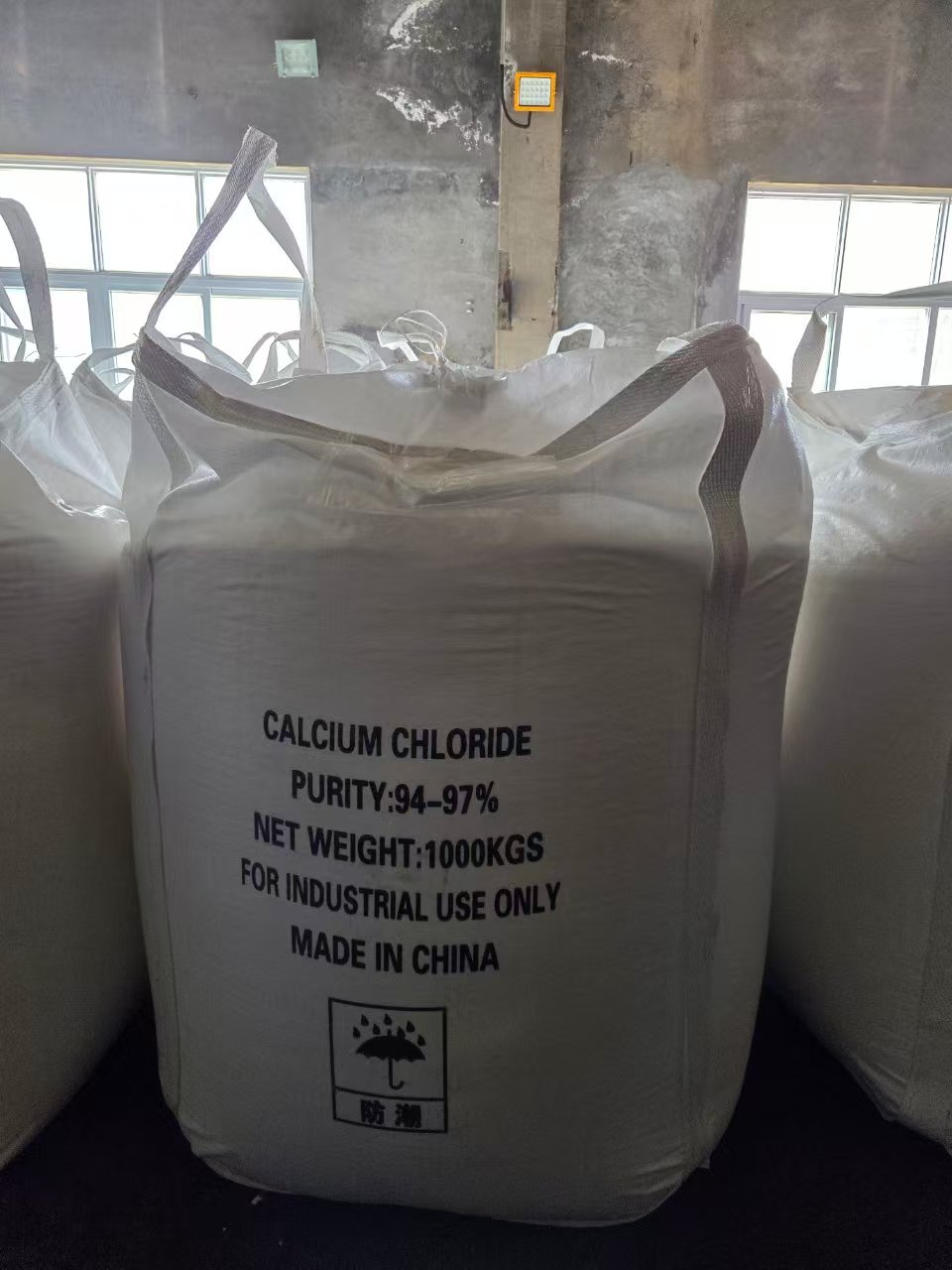
The outer packaging matters just as much as the liner. Bags or bulk sacks need to keep their shape during handling so the pellets do not grind against each other and create fines that later absorb humidity. Reinforced seams, UV-stabilized outer layers, and a tight closure at the fill point all help prevent moisture exchange. For smaller bagged product, one-way valve bags can let trapped air escape without drawing humid outside air back in.
Before sealing, we also check the residual moisture level in the pellets themselves. If the product goes into the container too warm or with even slightly elevated moisture, the best barrier packaging will trap that moisture inside. Cooling the material to ambient temperature and confirming the final moisture reading are simple steps that make the difference between a load that arrives dry and one that turns into a solid block halfway across the ocean.
Documentation and Customs Steps for Uninterrupted Shipments
Documentation problems rarely announce themselves at origin. A commercial invoice with vague goods descriptions or harmonized codes copied from an old template often clears the export side but stalls at destination when the local customs system flags the mismatch. For uninterrupted shipments, the paperwork needs to be built as a single package: invoice, packing list, bill of lading details, and any importer-specific forms should be cross-checked before the container gets near a port.
Customs steps shift depending on the country and product, but the most reliable habit is to assign one person to verify the entry package against the buyer's import requirements, not just the seller's export habits. That means confirming the correct Incoterm, making sure the certificate of origin matches the actual manufacturing location, and giving the broker enough lead time to use pre-clearance where it is available. When something is uncertain, a short note on the invoice or a separate declaration usually costs less than a storage charge after arrival.
Supplier Questions That Reveal Consistency and Long-Term Reliability
A supplier's answers about raw material sourcing often expose more than a catalog ever will. You want to hear how they handle a sudden shortage, not just that they have a backup plan. Ask them to walk you through the last time a key ingredient jumped in price or disappeared for two weeks. The ones worth keeping will talk about specific buffer stock decisions, conversations with alternative mills, and the exact moment they told customers about a delay. Vagueness here usually means you will be the one managing surprises later.
Dig into equipment maintenance and staff turnover without making it feel like an audit. A simple question like "Who runs the line when your senior operator is out?" tells you whether knowledge is shared or held hostage by one person. Listen for cross-training schedules, documented setup notes, and a habit of rotating roles before a crisis forces it. When a supplier can name three people capable of running the same process, inconsistency drops fast. If they pause and say "we'd figure it out," keep looking.
Finally, ask about the worst order they shipped in the past year. Not the best one. How they describe the defect, the root cause, and the fix says more about reliability than any certificate. Strong suppliers admit the mistake without blaming a third-party trucking company and can show you the changed inspection step. Weak ones shift to talking about their new equipment or an award they won. The question works because it sidesteps rehearsed sales talk and forces them to prove they learn rather than just recover.
FAQ
It refers to the minimum calcium chloride content on a dry basis, with the remainder largely water and minor alkali metal chlorides. Buyers rely on this figure to calculate dosage rates in moisture control, de-icing, and dust suppression, so a consistent 94% assay reduces the need to adjust formulas between batches.
Municipal road maintenance teams, oilfield service companies, concrete producers, and industrial water treatment plants are common buyers. It is also used in mineral processing and as a desiccant in shipping containers, though the exact use depends on local climate and operating conditions.
Most suppliers use moisture-barrier liners inside 25 kg woven polypropylene bags or 500 to 1000 kg bulk bags. Pallets are often stretch-wrapped and sometimes vacuum-packed for long sea routes, because the product is highly hygroscopic and will absorb humidity if the liner tears or the bag is left open.
A commercial invoice, packing list, bill of lading, certificate of analysis, and material safety data sheet are standard. Many buyers also ask for a certificate of origin, radiation-free certificate, and sometimes a third-party inspection report covering purity, particle size, and moisture content before payment release.
Store it indoors in a dry, well-ventilated area away from strong acids and moisture sources. Keep bags sealed until use, stack pallets on a raised surface, and rotate stock on a first-in, first-out basis. If the warehouse has high humidity, a dehumidifier or sealed storage bin will help preserve free-flowing pellets.
Smaller pellets dissolve faster and spread more evenly over a road surface, which is useful for quick ice melting. Larger pellets tend to last longer and resist being blown away, so they are often preferred for unpaved roads and stockpiles. The ideal size range depends on application equipment and local weather patterns.
Verify the actual calcium chloride assay, moisture content, and particle size distribution from an independent lab rather than relying only on the supplier's data. Also compare packaging quality, port logistics, lead time, and whether the producer can maintain a steady output during peak winter demand.
Conclusion
For buyers moving large volumes, the 94% figure is rarely just a number on a certificate. It signals that the remaining share is mostly moisture plus small amounts of sodium and magnesium chlorides, which shapes how the pellets dissolve, how much heat they release in brine systems, and how easily they bridge or crust in storage. That grade tends to fit de-icing, dust control on mine roads, drilling fluid preparation, and concrete acceleration where paying for technical-grade purity adds cost without proportional benefit. Still, a lab reading alone does not guarantee arrival quality. A shipment that passes specification at loading can turn into a hardened block in the container if free moisture is too high, so checking moisture content, post-breakage particle size, and silo cleanliness before release is usually more useful than reading the bag label.
Packaging then carries much of the risk after the cargo leaves the plant. Sealed polyethylene liners inside laminated polypropylene bags or bulk sacks work well only when the inner liner is actually closed in low-humidity conditions and the pallets are wrapped tightly enough to limit air exchange. On the paperwork side, a basic invoice and packing list are rarely enough for cross-border clearance; buyers should confirm the certificate of analysis, safety data sheet, and destination-specific tariff coding before dispatch to avoid port delays. Supplier consistency matters more than a single good sample. Asking how a producer handles seasonal demand spikes, how often moisture analyzers are checked, and what happens when a batch fails internal limits gives a clearer picture of long-term reliability than any polished quotation.
Contact Us
Contact Person: Tom Cui
Email: [email protected]
Tel/WhatsApp: +8618663670626
Website: https://www.jinjigoldenchem.com