

Chemical Safety & Environmental Protection: Where to Find the Best Resources and Guides
2026-04-22
Navigating the complex world of chemical safety and environmental protection can feel like a daunting task. With regulations constantly evolving and new risks emerging, finding reliable, up-to-date resources is crucial for professionals, researchers, and anyone committed to a greener future. At ICIF, we understand these challenges and have curated a comprehensive guide to the best tools and information available. In this blog, we'll explore where to turn for trustworthy insights, practical strategies, and actionable steps to enhance safety and sustainability. Whether you're managing a lab, overseeing industrial processes, or simply passionate about protecting our planet, this resource hub is tailored to empower your journey. Dive in and discover how to make informed decisions that safeguard both people and the environment—beginning with the essential guides and platforms highlighted here.
Discover Reliable Chemical Safety Guidelines and Best Practices
Navigating chemical safety can feel overwhelming, but it doesn't have to be. Start by identifying the specific chemicals you handle, as guidelines vary based on substance properties. Key resources include safety data sheets (SDS) from manufacturers, which provide detailed information on hazards, handling, and emergency measures. For broader frameworks, organizations like OSHA and EPA offer regulatory standards that ensure workplace and environmental protection. Always verify that guidelines are current and from credible sources, as outdated information can lead to unnecessary risks.
Best practices go beyond mere compliance to foster a culture of safety. Implement regular training sessions tailored to your team's roles, emphasizing practical scenarios like spill response or proper storage. Use personal protective equipment consistently and maintain well-ventilated areas to minimize exposure. Additionally, establish clear protocols for waste disposal and emergency contacts, ensuring everyone knows their responsibilities. By integrating these habits into daily operations, you create a proactive environment that prioritizes health and efficiency.
To stand out in safety management, leverage technology and community insights. Digital tools can streamline SDS access and track compliance, while peer networks offer real-world tips that might not be in standard guides. Customize your approach by assessing unique risks in your facility, such as chemical interactions or specific staff needs. Regularly review and adapt practices based on incident reports or new research, keeping your strategy dynamic. This tailored, informed method not only enhances safety but also builds trust and resilience in your operations.
Essential Resources for Environmental Compliance and Sustainability
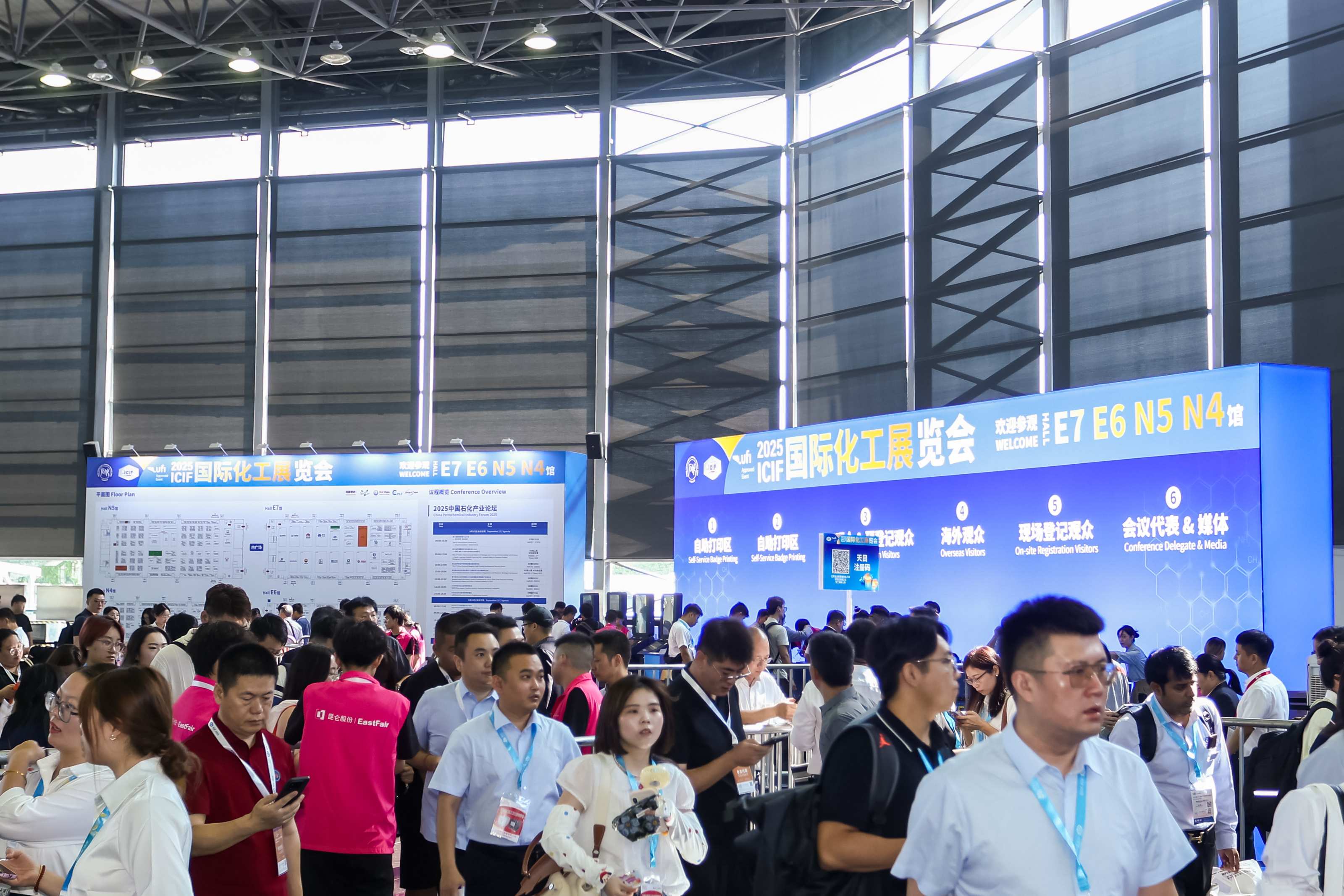
Navigating the world of environmental compliance and sustainability can feel overwhelming, but you don't have to go it alone. There's a wealth of tools and guidance out there designed to help businesses stay on track with regulations while building greener practices. From government databases that outline specific legal requirements to industry-specific frameworks, these resources provide clear starting points for assessing your current impact and planning improvements.
Beyond just checking boxes for compliance, forward-thinking organizations tap into sustainability resources that drive real change. Platforms offering carbon footprint calculators, waste reduction guides, and energy efficiency benchmarks empower teams to set measurable goals and track progress over time. Engaging with these tools often sparks innovation, leading to cost savings and stronger brand loyalty as customers increasingly value eco-conscious efforts.
Connecting with professional networks and certification programs can also elevate your approach. Many sectors have dedicated associations that share best practices, host workshops, and offer audits to ensure you're not just meeting standards but excelling in them. By actively using these resources, companies transform compliance from a reactive task into a proactive strategy that benefits both the planet and the bottom line.
Expert-Curated Tools for Hazardous Material Handling and Storage
When working with hazardous materials, having the right tools at your disposal is essential for ensuring both safety and compliance. Expert-curated solutions are designed by professionals who understand the complexities of handling everything from flammable liquids to corrosive chemicals. These tools go beyond basic safety gear, incorporating advanced features like real-time monitoring systems, spill containment units, and ergonomic storage containers that minimize human error. By integrating insights from industry veterans, these resources help organizations create environments where risks are proactively managed rather than reacted to after incidents occur.
What sets expert-curated tools apart is their focus on adaptability and precision. Rather than offering one-size-fits-all options, they provide tailored systems that consider specific material properties, workplace layouts, and operational workflows. For instance, storage cabinets might include adjustable shelving and ventilation controls, while handling equipment could feature non-sparking components for volatile substances. This level of detail ensures that every aspect of material management—from transportation to disposal—is optimized for maximum safety, reducing the likelihood of accidents and enhancing overall efficiency in high-risk settings.
Beyond mere functionality, these tools often incorporate training modules and support resources, empowering teams to use them effectively. By combining physical innovations with educational elements, expert-curated approaches foster a culture of safety where employees are confident and competent in managing hazardous materials. This holistic strategy not only meets regulatory standards but also builds resilience, making it a smart investment for any organization prioritizing long-term operational integrity and employee well-being.
Navigating Global Regulations in Chemical and Environmental Management
With industries operating across borders today, staying on top of chemical and environmental regulations feels like navigating a complex maze. It's not just about compliance—it's about understanding how different countries approach risks, from stringent EU frameworks like REACH to varied state-level rules in the U.S. Companies often find themselves juggling multiple standards, which can impact everything from product formulation to waste disposal.
What sets this apart is how these regulations evolve—often in response to local environmental pressures or public health concerns. For instance, emerging markets might adopt stricter controls as they industrialize, while established regions tweak existing laws. This dynamic landscape demands proactive strategies, such as investing in local expertise or leveraging digital tools to track changes in real-time, ensuring operations remain agile and responsible.
Beyond the legal hurdles, there's a growing emphasis on sustainability that intertwines with regulatory demands. Forward-thinking organisations see this not as a burden but as an opportunity to innovate—developing greener alternatives or enhancing supply chain transparency. By aligning compliance with broader environmental goals, they can build resilience and trust, turning regulatory navigation into a competitive edge in a global marketplace.
Innovative Approaches to Pollution Control and Waste Reduction
One of the most promising strides in tackling pollution and waste involves the implementation of circular economy models. Unlike the traditional linear approach of take-make-dispose, this method emphasizes keeping materials in use for as long as possible, extracting their maximum value. For instance, companies are developing modular products designed for easy disassembly and repurposing, which drastically cuts down on landfill waste and reduces the need for raw material extraction. This shift not only lessens environmental harm but also fosters economic resilience by creating new business opportunities in repair, refurbishment, and recycling sectors.
Advancements in biotechnology are also revolutionizing pollution control, with techniques like bioremediation and bioaugmentation gaining traction. These processes use microorganisms or enzymes to break down contaminants in soil, water, and air into harmless substances. A notable example is the use of genetically engineered bacteria that can digest oil spills or plastic waste, offering a natural and efficient solution to persistent pollutants. By harnessing these biological tools, we can clean up environments without resorting to harsh chemicals, minimizing secondary pollution and promoting ecosystem recovery.
On the technological front, smart sensors and data analytics are enabling more proactive waste reduction strategies. IoT devices can monitor waste generation in real-time, optimizing collection routes and schedules to reduce fuel consumption and emissions. In pollution control, these sensors track air and water quality, providing instant feedback that allows for quick interventions to prevent escalation. This data-driven approach not only enhances efficiency but also empowers communities and industries to make informed decisions, leading to targeted actions that cut waste at its source rather than managing it after the fact.
Connecting with Communities for Safer Chemical Practices Worldwide
Imagine a world where every neighborhood understands the risks and benefits of chemicals used in daily life—from household cleaners to industrial processes. This vision is becoming a reality as grassroots efforts and global initiatives converge to bridge gaps in knowledge and resources. At the heart of this movement is direct engagement: scientists, educators, and policymakers work alongside local leaders to tailor solutions that respect cultural contexts and economic realities. Whether it's hosting workshops in rural areas or launching digital platforms for urban centers, these connections empower communities to adopt safer practices, fostering trust and reducing environmental harm.
Beyond awareness, tangible actions are taking shape through collaborative projects that prioritize inclusivity and innovation. For instance, in regions prone to chemical spills, community-based monitoring systems have been developed, allowing residents to track pollutants in real-time using simple, accessible tools. This hands-on approach not only enhances safety but also sparks local entrepreneurship, as people develop and share cost-effective alternatives to hazardous substances. By listening to diverse voices—from farmers to factory workers—we're uncovering unique insights that challenge conventional methods and lead to more resilient, sustainable practices on a global scale.
The ripple effects of these efforts are evident in policy changes and stronger networks that transcend borders. Success stories, like a small town in Southeast Asia that transitioned to non-toxic agricultural inputs, inspire similar shifts elsewhere, creating a domino effect of positive change. This isn't just about regulations; it's about building lasting partnerships where knowledge flows freely and support systems thrive. As more communities join this movement, we're not only making chemicals safer worldwide but also weaving a tapestry of shared responsibility and collective action for generations to come.
FAQ
Check out resources from reputable organizations like the U.S. Environmental Protection Agency (EPA) or Occupational Safety and Health Administration (OSHA) websites, which offer detailed guidelines and updates.
Books such as 'Silent Spring' by Rachel Carson or 'The Blue Planet: Natural History of the Oceans' provide foundational knowledge, while technical manuals from publishers like Wiley cover industry-specific protocols.
Subscribe to newsletters from international bodies like the United Nations Environment Programme (UNEP) or use tools like ChemSec's database for real-time regulatory changes and alerts.
Yes, applications like ChemSafety Pro or platforms like the European Chemicals Agency's (ECHA) website offer interactive calculators and risk evaluation features for practical use.
Many universities and institutions, such as MIT OpenCourseWare or Coursera, provide free courses and modules on chemical safety and environmental management.
Local environmental agencies often have tailored guides; online portals like the Small Business Environmental Assistance Program offer step-by-step advice and compliance checklists.
Look into industry reports from organizations like the Chemical Industry Council or academic journals such as 'Environmental Science & Technology' for detailed analyses and real-world examples.
Join forums like Reddit's r/chemistry or professional networks on LinkedIn, where experts and peers share insights and problem-solving tips based on experience.
Conclusion
For professionals navigating the complex landscape of chemical safety and environmental protection, finding reliable and comprehensive resources is crucial. The article begins by exploring authoritative sources for chemical safety guidelines and best practices, which provide foundational knowledge for safe operations. Simultaneously, it delves into essential resources focused on environmental compliance and sustainability, helping organizations meet regulatory standards and adopt eco-friendly measures. Expert-curated tools for hazardous material handling and storage are highlighted, offering practical solutions to mitigate risks. The discussion extends to navigating global regulations in chemical and environmental management, emphasizing the importance of staying updated with international laws to ensure cross-border compliance and operational continuity.
The article further addresses innovative approaches to pollution control and waste reduction, showcasing cutting-edge technologies and strategies that minimize environmental impact. It also emphasizes the value of connecting with communities worldwide to foster safer chemical practices through shared knowledge and collaborative efforts. By integrating these aspects, the article serves as a comprehensive guide for accessing top-tier information and practical tools, enabling professionals to enhance safety protocols, achieve sustainability goals, and contribute to global environmental stewardship effectively.
Contact Us
Contact Person: Shaozhen Zhou
Email: [email protected]
Tel/WhatsApp: 0086-18612117599
Website: https://en.icif.cn/