
China Dredging Machinery Manufacturer Delivers Cutting-Edge Dredging Solutions Globally
2026-05-13
In an era where coastal and inland waterway development is accelerating, the demand for reliable and efficient dredging machinery has never been greater. Among the key players in this field, YaKai Dredger stands out as a Chinese manufacturer that is redefining global standards with its cutting-edge solutions. From port expansion to environmental remediation, their innovative approach is turning challenges into opportunities. Curious about how they’re shaping the future of dredging? Let’s explore what sets YaKai apart.
Engineering Breakthroughs Powering Deep-Water Excavation
Deep-water excavation has long wrestled with immense pressure, corrosive saltwater, and the sheer remoteness of sites, but recent engineering leaps are changing the game. One standout advancement is the development of autonomous robotic shovels that use real-time sonar mapping instead of relying on surface operators. These machines can adjust their excavation path independently, compensating for shifting sediments and underwater currents that would throw off traditional systems. They also integrate adaptive pressure compensation, sealing their internal mechanics against depths that would crush ordinary equipment.
Another quiet revolution sits in material science. New high-strength, low-alloy steels and composite coatings have drastically extended the lifespan of cutting edges and hydraulic components. Unlike earlier generations that needed frequent replacement, these innovations resist pitting and fatigue even after thousands of cycles in salty, high-pressure environments. Some designs borrow from nature—biomimetic surface textures inspired by mollusk shells reduce drag and discourage marine growth, keeping machinery efficient without constant cleaning.
The power supply side, often overlooked, has also seen a leap. Instead of relying solely on surface-tethered generators, modern deep-water excavators are increasingly paired with subsea power grids and high-capacity battery packs that can be swapped by smaller support vehicles. This shift not only cuts downtime but also allows operation in areas with complex terrain where long power cables would be impractical or hazardous. Combined with intelligent energy recovery systems that harness pressure differentials during descent, these machines are achieving levels of endurance that were unimaginable a decade ago.
Deploying Advanced Dredging Fleets Across Continents
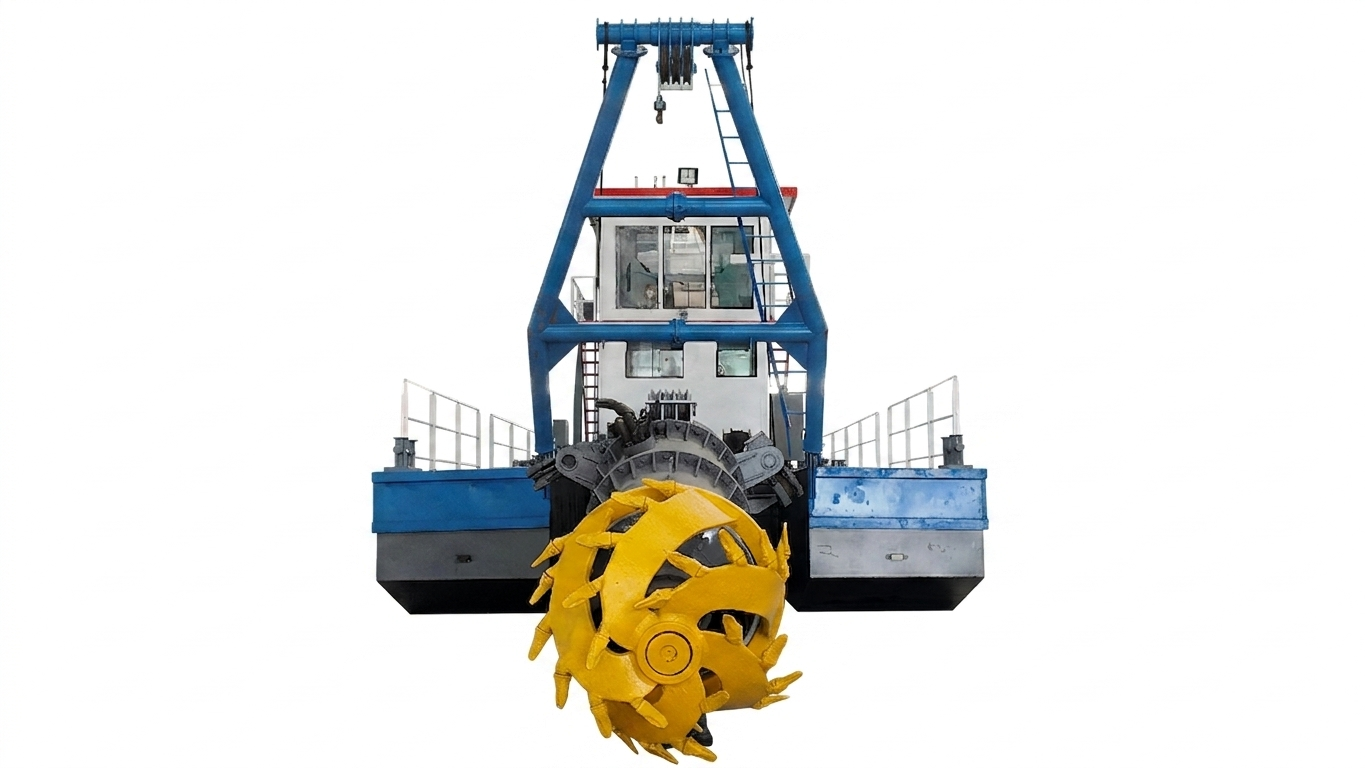
Moving massive dredging equipment from one corner of the world to another isn't just about logistics—it's about timing, precision, and understanding local waterways. Our fleets have carved channels in Southeast Asia’s murky deltas and widened ship lanes off the coast of West Africa, each operation tailored to the seabed’s unique demands.
What sets these deployments apart is the blend of seasoned crews and smart machinery. Automated cutter suction dredgers work alongside hands-on teams who’ve spent decades reading tides and currents. The result? Projects that finish on schedule even when faced with unexpected rock formations or sudden weather shifts.
From remote archipelagos to bustling port cities, the same principle applies: adapt fast, maintain relentlessly, and leave the environment cleaner than you found it. That means recycling dredged material for land reclamation where possible, and constantly monitoring turbidity to protect marine life. It’s a restless, rewarding rhythm that keeps global trade flowing.
Sustainable Sediment Handling for Sensitive Marine Environments
Managing sediment in delicate marine ecosystems demands a careful balance between necessary operations and ecological preservation. Unlike open-water disposal, which can smother benthic communities and alter water chemistry, sustainable approaches focus on minimizing disturbance from the outset. This often begins with thorough pre-project assessments that map sensitive habitats, such as seagrass meadows or coral reefs, and establish baseline conditions. By understanding the natural sediment dynamics of an area, projects can be timed to avoid critical breeding or migration periods, significantly reducing the potential for long-term harm.
At the core of sustainable practice is the adoption of precision techniques that keep sediment where it belongs. Advanced dredging equipment with real-time monitoring can limit the generation of suspended sediment plumes, while silt curtains and bubble barriers offer effective containment during nearshore work. In some cases, sediment is treated as a resource rather than waste—clean material can be repurposed for beach nourishment or the reconstruction of eroded habitats, turning a potential liability into a restoration opportunity. This shift in mindset, from disposal to beneficial reuse, is a hallmark of modern, environmentally attuned sediment handling.
Long-term success relies on adaptive management and transparent communication with stakeholders. Post-operation monitoring tracks recovery rates of indicator species and validates the effectiveness of mitigation measures, informing adjustments for future projects. Engaging local communities and scientists early fosters trust and ensures that indigenous knowledge is woven into planning. Ultimately, safeguarding sensitive marine environments while carrying out essential sediment work is not just about adhering to regulations—it is about cultivating a deep respect for the ocean systems we depend on, ensuring their resilience for generations to come.
Custom-Configured Machinery for Unforgiving Seabed Conditions
Seabed environments chew through standard machinery. Salt corrosion, shifting sediments, and hydrostatic pressure work together to dismantle gear that wasn’t built with true subsea endurance in mind. A one-size-fits-all excavator or trencher often fails not because it’s weak, but because it’s ignorant of the specific patch of ocean floor it’s supposed to work. The water depth, bottom current profile, and even local bioturbation patterns all shape what a machine needs to survive. We’ve seen projects stall for weeks because a supposedly rugged unit couldn’t handle silt that behaved more like quicksand than sediment, or because a seal rated for 500 meters gave up at 520 when a temperature inversion shifted material tolerances.
Modifying off-the-shelf platforms rarely cuts it. The real shift happens when design starts from the abuse side: mapping exactly where abrasive wear will concentrate, then overbuilding those areas with composite liners or duplex stainless steel without adding pointless mass elsewhere. Propulsion gets rethought too—sometimes tracks are swapped for screw drives if the seabed is too soupy, or thruster nozzles are reshaped to avoid cavitation in dense, silty water. Hydraulic circuits are segregated into small, redundant loops so a single hose blowout doesn’t kill the whole system. These aren’t glamorous upgrades, but they’re the kind of tailored decisions that turn a three-week maintenance window into a three-year operational stretch, even when the North Sea throws a winter storm right after spring tides churn up the bottom.
Operational Efficiency That Slashes Port Deepening Schedules
The drive to shorten port deepening timelines hinges on operational precision rather than brute force. Instead of relying solely on round-the-clock dredging, which often leads to crew fatigue and equipment strain, top-tier contractors now deploy synchronized workflows where survey vessels update seabed maps in real time while dredgers adjust their cutter heads on the fly. This tight coordination minimizes rework and idle hours, compressing months of labor into weeks without compromising safety or accuracy.
Another layer of efficiency comes from modular engineering. By prefabricating quay wall sections and lock components offsite, teams can install them immediately once the channel reaches target depth, eliminating the lag between excavation and structural work. Paired with predictive maintenance algorithms that flag pump wear before failure, these methods keep every asset running at peak output, nibbling away at the schedule day by day. The result is a project rhythm where delays are rare and every tide cycle is exploited.
Landmark Coastal Developments Driven by Reliable Dredging Tech
The transformation of once-inhospitable coastlines into thriving urban and industrial hubs often hinges on the precision and dependability of modern dredging technology. From the creation of entirely new landmasses for ports and airports to the deepening of navigation channels that accommodate the latest generation of mega-vessels, these projects rely on specialized equipment capable of operating in demanding marine environments. Reliable dredging allows engineers to reshape seabeds with surgical accuracy, removing millions of cubic meters of sediment without disrupting adjacent ecosystems more than strictly necessary. This delicate balance between heavy engineering and environmental stewardship has become the hallmark of contemporary coastal development.
Landmark projects around the globe illustrate the immense scale and impact of such endeavors. The expansion of the Port of Singapore, for instance, utilized advanced trailing suction hopper dredgers working around the clock to reclaim vast tracts of land from the sea, enabling the city-state to overcome its acute space constraints. Similarly, the construction of the artificial Palm and World islands in Dubai relied on precise sand placement and compaction techniques, turning visionary concepts into stable, habitable environments. These feats are only feasible because modern dredging fleets incorporate real-time monitoring, automated controls, and robust designs that ensure consistent performance even in harsh swells and abrasive soils.
Beyond raw earthmoving, the technology serves as a catalyst for economic growth and climate resilience. Coastal megacities are increasingly turning to dredging for the creation of storm surge barriers and the nourishment of eroding beaches, protecting billions in infrastructure and property. The reliability of these machines directly influences project timelines and budgets—unscheduled downtime can cascade into costly delays, making durability a non-negotiable requirement. As nations continue to invest in offshore wind farms and subsea tunnels, the demand for dredging systems that combine brute force with intelligent control will only intensify, shaping the shorelines of the future while respecting the delicate marine frontier.
FAQ
Their focus on integrating advanced automation and eco-friendly technologies into their dredgers has made them a preferred partner for large-scale marine projects. Unlike many competitors, they offer full lifecycle support, from custom design to on-site training, which adds significant value for international clients.
They produce a wide range of equipment, including cutter suction dredgers, trailing suction hopper dredgers, and amphibious excavators. Their product line is designed to handle everything from harbor maintenance to land reclamation and environmental remediation, with a strong emphasis on fuel efficiency and reduced emissions.
They work closely with local partners and regulatory bodies during the planning phase to tailor each machine's specifications. This might involve adjusting emission controls, safety features, or dredging depth capabilities to comply with both international standards and country-specific environmental laws.
Recently, one of their large cutter suction dredgers was deployed in a Southeast Asian coastal restoration project. The machine successfully removed contaminated sediment while minimizing turbidity, thanks to its state-of-the-art silt curtain and precision GPS control, completing the work months ahead of schedule.
They maintain regional service hubs stocked with critical spare parts and deploy experienced engineers for rapid response. Customers also benefit from remote monitoring systems that predict maintenance needs, drastically reducing downtime and operational costs.
They've pioneered hybrid power systems that combine diesel with electric drives, cutting fuel use by up to 30%. Additionally, they are developing autonomous dredging technologies that optimize excavation patterns to protect marine habitats, moving beyond industry norms.
They use a network of heavy-lift shipping partners and modular design principles that allow partial assembly at the factory. This approach simplifies transport and reassembly at the project site, often saving weeks in setup time compared to conventional delivery.
Their clients range from government agencies working on port expansions to private firms in mining and energy. The equipment is often used in creating navigation channels, extracting sand for construction, and reinforcing coastlines against erosion, proving versatile across sectors.
Conclusion
A Chinese dredging machinery manufacturer has been quietly reshaping how the world tackles its toughest underwater excavation challenges. The firm's engineers have pushed the limits of deep-water technology, designing breakthroughs that allow precise sediment removal at depths once thought impractical. These innovations aren't confined to a single region; entire fleets of advanced dredgers now operate across multiple continents, from Southeast Asian shipping lanes to African port expansions. Crucially, the company has embedded environmental responsibility into its core designs, developing methods that handle sediment with minimal disturbance to sensitive marine ecosystems. This isn't just about power -- it's about thoughtful integration of suction systems, silt curtains, and real-time monitoring that keep turbidity in check.
What sets the equipment apart is its adaptability to the most unforgiving seabed conditions. Rather than offering off-the-shelf vessels, the manufacturer works closely with project owners to configure machinery specifically for rocky terrains, high currents, or abrasive sediment loads. This tailored approach has slashed schedules for port deepening projects, where efficiency gains translate directly into millions saved. The machines' reliability has also underpinned landmark coastal developments -- from artificial islands to new harbor complexes -- where downtime simply isn't an option. By marrying durability with smart engineering, the Chinese manufacturer has turned dredging from a brute-force exercise into a precision tool for global infrastructure, delivering solutions that feel less like heavy industry and more like surgical intervention on a massive scale.
Contact Us
Contact Person: Nancy
Email: [email protected]
Tel/WhatsApp: (+86) 13869631558
Website: https://www.yakaidredger.com/