

China Shaving Gel Manufacturer What to Look for in a Reliable Partner
2026-10-28
Finding a trustworthy shaving gel manufacturer in China can feel like navigating a maze of promises and pitfalls. From inconsistent formulations to supply chain delays, the wrong choice can razor-burn your brand’s reputation. But what truly separates a dependable partner from a costly gamble? At Wilson, we believe the answer lies in a blend of transparent quality control, agile customization, and a track record that speaks louder than a sales pitch. In this guide, we’ll shave away the fluff and reveal the concrete factors you should weigh before signing on the dotted line—so your next product launch glides smoothly onto shelves, not into a sinkhole of regrets.
Push Past the Ingredient List and Question the Base Formula
Most people judge a product by its ingredient list, but that's like evaluating a meal by reading the recipe without tasting it. The base formula—the unseen architecture holding everything together—determines how ingredients interact, absorb, and perform. Without questioning that foundation, you're only seeing half the picture.
Consider two creams with identical actives: one delivers them through a lightweight gel, the other through a heavy occlusive balm. The ingredient list won't tell you which one actually lets the actives penetrate, or whether the pH destroys them on contact. You have to dig into the base formula's ratios, emulsifiers, and stabilizers to understand the real story.
Next time you're tempted to scan the top five ingredients and move on, pause. Ask what the base formula is doing: Is it buffering the actives correctly? Does the preservative system allow for long-term stability? The answers live far beyond the label, in the deliberate choices that make a formula work—or fail.
Request a Pilot Batch Before Signing Any Contract
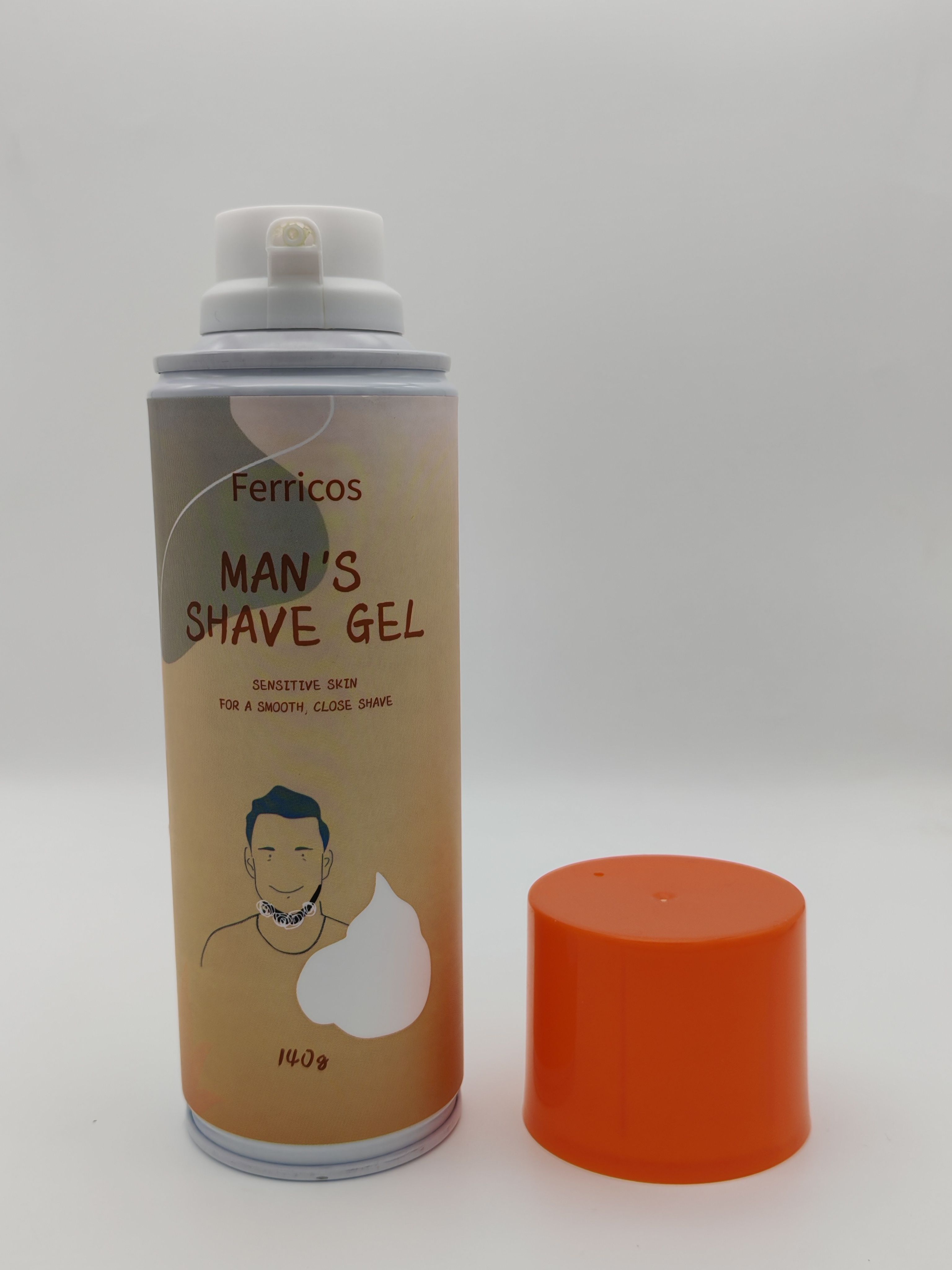
Insisting on a pilot batch shifts the conversation from promises to proof. It lets you observe how a manufacturer handles real production constraints—shelf life stability, fill accuracy, label adhesion—before your money is locked into a long-term agreement. Some suppliers will push back, claiming a pilot run slows everything down, but that resistance often signals deeper quality control gaps you wouldn't discover until a full container arrives.
A well-run pilot also reveals the supplier's communication style when things go wrong. Do they flag a viscosity issue before it ruins 500 units, or do they quietly ship subpar work and hope you won't notice? By the time you're signing a contract, you should know who on their team actually owns your project, how change requests get logged, and whether their "yes" on a spec sheet matches what they can physically produce on a Tuesday afternoon.
The pilot batch doesn't need to be free—paying for it often gets you more honest data than a complimentary sample. What matters is that the terms of the pilot, including pass/fail criteria and the right to walk away without penalty, are written down before you authorize anything. If a supplier won't agree to that, the contract was never going to protect you anyway.
Press Them on Custom Cooling Agents and Skin Feel
Custom cooling agents rarely behave the same on skin as they do in a spec sheet. Press the supplier to describe the onset curve—whether it hits like a splash of ice water or builds slowly over a minute. That difference dictates where the product fits: a fast-onset agent suits a post-workout gel, while a delayed, softer chill works in an overnight mask. Ask them to compare the finish against menthol's grainy sting. The best custom blends leave a ghost of coolness without the sharp dryness that makes people reach for a hand cream afterwards.
Then move to the interaction with the base. A cooling molecule can feel featherlight in one emulsion and turn heavy or pilling in another. Ask the supplier to rub out a small amount between your fingers, then press the back of your hand against your cheek. That transfer test reveals how much of the cooling effect is surface-level and how much lingers. If their answer to every question is "it's proprietary," ask for a blind sample without the fragrance. Fragrance often masks an unpleasant skin feel. The real custom agents should stand on their own: smooth glide, no soapy drag, no sudden ghost stickiness fifteen minutes later.
Confirm Stability Testing in High-Humidity Storage
High-humidity storage rarely behaves the way spec sheets suggest. Instead of assuming a standard 25°C/60% RH chamber run will cover real-world exposure, we place samples in actual bathroom cabinets, unheated coastal warehouses, and shipping containers that sit through monsoon season. Logging humidity spikes over time reveals patterns no accelerated test can fake: condensation cycles on metal closures, label adhesive creep, and the slow bloom of mold inside cap liners. These observations drive the decision on whether a formula needs a desiccant pouch, a different closure liner, or a full packaging redesign.
The testing itself is deliberately low-tech at the front end. We use data loggers that record every fifteen minutes, but we pair them with physical checks: squeezing tubes for separation, tapping jars to listen for caking, and photographing any rust or discoloration under natural light. One product we tested looked perfect at day 30 and failed at day 47 because a cardboard shipper absorbed enough moisture to warp the inner plastic tray. No standard protocol had predicted that. When we see a failure, we trace it back to the exact humidity event and then replicate just that event in a benchtop chamber to confirm the mechanism.
What matters most is not passing a test but knowing the boundary. A product that survives 90% RH for six months might still fail in a customer's bathroom if the ventilation is poor. So we document the limit: at what humidity and duration does the cap seize, the tablet soften, or the powder clump? That number becomes part of the specification and the storage label. It also tells the team whether a stability claim should say “store in a dry place” or “discard after opening if exposed to steam.” Most brands skip this depth. We don't.
Nail Down Minimum Order Quantities and Realistic Lead Times
Before you commit to a supplier, pin down the exact minimum order quantity (MOQ) they require and whether it lines up with your actual demand. A tempting per-unit price means little if you're forced to warehouse three years' worth of inventory. Ask for tiered pricing—many factories will lower the MOQ if you accept a slightly higher unit cost, and that trade-off is often worth it when you're still testing a market.
Lead times are just as critical, and they rarely match what's printed on a quote. A factory might promise four weeks, but that clock often starts after fabric is sourced, after tooling is confirmed, or after a deposit clears. Push for a breakdown of the timeline: how long for raw materials, for production, for quality control, and for内陆 transport to the port. If they hesitate to give you those details, treat that as a warning sign.
Don't accept vague answers like "it depends on the season" without a concrete range. Request written confirmation of both MOQ and lead time in the initial contract, including penalties for late delivery. The goal isn't to punish the supplier—it's to make sure both sides have the same expectations, so you avoid the classic trap of running out of stock during your peak sales period while a container is stuck at sea.
Review Their Export Paperwork for Past Shipment Delays
Dig into the export documents that accompanied earlier shipments. Look for customs stamps, carrier notes, or handwritten amendments that might hint at why a container sat at the port for an extra week. These paper trails often reveal overlooked details like incorrect commodity codes, missing certificates of origin, or mismatched invoice values that quietly slowed down clearance.
Don’t just check one shipment — gather a small stack from the past six to twelve months and lay them side by side. Patterns tend to emerge when you compare the same exporter’s paperwork across multiple consignments. Maybe every January shipment gets flagged for inspection, or a particular freight forwarder repeatedly files the packing list late. That kind of context turns a pile of documents into a map of recurring bottlenecks.
Pay attention to corrections and resubmissions as well. If the exporter frequently amends the bill of lading after departure, or if the commercial invoice is often revised days after the original, it suggests internal processes are not fully aligned before the cargo leaves the warehouse. Spotting these habits early gives you a clearer picture of whether the delay risk is rooted in documentation errors or deeper operational blind spots.
FAQ
Request samples from their latest production runs and ask about their in-house testing procedures. A dependable partner will share batch records, stability test results, and any third-party audit reports without hesitation. If they dodge questions about preservative efficacy or pH consistency, treat that as a red flag.
Look beyond the usual ISO 22716 or GMP. For export to the US or EU, check for FDA registration, REACH compliance, and dermatological testing documentation. Some factories also carry cruelty-free or vegan certifications, which matter if you market to those niches.
Not necessarily. Many mid-sized Chinese manufacturers now offer MOQs as low as 5,000 units to attract emerging brands. The real test is whether they can scale with you. Ask for references from clients who started small and grew to container-load orders.
The base ingredients, whether they use natural aloe, synthetic lubricants, or specialty surfactants, directly affect skin feel and foam structure. A trustworthy factory will disclose ingredient origins and may even let you audit their suppliers. Avoid those who only say 'we use imported materials' without specifics.
Ask about their R&D team's background and request case studies of sensitive-skin lines they've developed. A capable partner will discuss buffer systems, allergen-free fragrance options, and preservative challenges. If they treat your formula as a simple fill-and-seal job, they're not the right fit.
Pay attention to lead times around Chinese New Year and the autumn export rush. Also clarify who handles export documentation, hazardous material declarations if using aerosols, and palletization. A reliable partner will provide a written timeline and a dedicated logistics contact, not just promises.
Many offer turnkey services including tube sourcing, silk-screening, and aerosol filling. But ask whether the filling lines are dedicated to cosmetics or shared with industrial products, as cross-contamination risk is real. Inspect the filling area during a video call before committing.
In addition to checking cleanliness and equipment calibration, ask how they handle batch traceability, reject rates, and corrective actions. A good sign is a well-organized batch record room and staff who can explain their deviation procedures without reading from a script.
Conclusion
A trustworthy China shaving gel maker isn't just one that hands over a polished ingredient list. You have to dig into the base formula itself—ask how it behaves without fragrance or colorants, whether it thins out under shear, and how it holds up when customers leave the cap loose. Before any contract lands on your desk, push for a pilot batch. Run it through your own stability checks, lather tests, and even a few blind user trials. This is also the moment to discuss custom cooling agents and skin feel because those tiny percentages of menthol, WS-23, or aloe fractions change the entire product personality. Some factories default to a generic icy blast that may not suit your market.
Humidity is another silent killer. A gel that passes a lab bench in a dry climate can turn watery or separate after three weeks in a bathroom cabinet. Ask for evidence of high-humidity storage tests, not just accelerated oven data. Then get realistic about minimum order quantities and lead times. A factory quoting an ultra-low MOQ with a two-week turnaround often has no buffer for raw material hiccups or holiday shutdowns. Finally, review their export paperwork for past shipment delays. A manufacturer with a clean record on customs declarations, MSDS sheets, and certificate of origin is less likely to leave your containers stuck at port.
Contact Us
Contact Person: Simon
Email: [email protected]
Tel/WhatsApp: +86 13267966849
Website: https://www.wilsoncosmetic.com