

Custom Medical Device Wire Innovations: Advances in Orthodontic and Stent Technology
2026-02-06
In the ever-evolving world of medical technology, the precision and durability of custom medical device wires play a pivotal role in shaping patient outcomes. "Custom Medical Device Wire Innovations: Advances in Orthodontic and Stent Technology" delves into the groundbreaking developments that are transforming orthodontic treatments and stent applications. At the forefront of these innovations is GRM, a leader in wire manufacturing known for its cutting-edge solutions and unwavering commitment to quality. This blog explores how advanced materials and engineering techniques are pushing the boundaries of what's possible, offering insights that will captivate professionals and enthusiasts alike. Stay tuned to discover how these advancements are not just improving devices but revolutionizing patient care.
Revolutionary Materials: Designing Smarter Orthodontic Wires for Enhanced Comfort
The development of smarter orthodontic wires marks a significant leap forward in dental care, driven by cutting-edge materials science. These advanced wires are engineered with shape memory alloys like nickel-titanium, which adapt dynamically to the movements of teeth, reducing initial discomfort often associated with braces. By minimizing the need for frequent adjustments, they offer a smoother treatment process.
Innovations extend beyond traditional metals, incorporating biocompatible and flexible materials that respond to body temperature, further enhancing comfort. This adaptability not only speeds up alignment but also allows for lighter forces on teeth, making orthodontic treatment feel less intrusive. The result is a more patient-friendly approach that prioritizes ease without compromising effectiveness.
These revolutionary wires are part of a broader trend towards personalized orthodontics, where materials are tailored to individual needs. By focusing on design that aligns with natural tooth movement, they transform the experience of wearing braces, setting a new standard in comfort and efficiency for modern dentistry.
Precision Engineering: How Custom Stents Improve Cardiovascular Outcomes
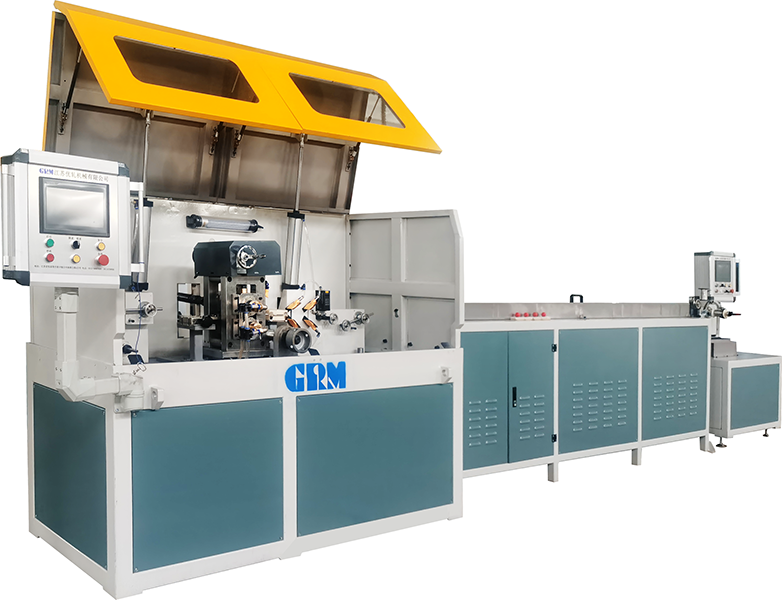
Imagine a world where each stent implanted into a patient's artery is tailored to fit their unique anatomy, not a one-size-fits-all solution. This is the essence of precision engineering in cardiovascular care, where custom stents are designed using advanced imaging techniques like CT scans and computer simulations. By analyzing the specific curvature, diameter, and plaque distribution of a patient's blood vessels, engineers can create stents that conform perfectly to the artery walls, reducing stress points and minimizing the risk of complications such as restenosis or stent fracture. This personalized approach ensures a more natural fit, allowing the artery to maintain its flexibility and function naturally over time.
Beyond just fitting better, custom stents offer enhanced therapeutic benefits that boost patient recovery and long-term health outcomes. These stents can be fine-tuned with features like controlled drug-eluting properties, where medications are released precisely at sites of inflammation or plaque buildup to prevent scar tissue formation. Additionally, they can incorporate bioresorbable materials that gradually dissolve once the artery has healed, leaving no permanent foreign object behind—this reduces long-term risks like thrombosis and allows the vessel to resume its normal physiological behavior. Patients who receive these bespoke implants often experience reduced procedure times, fewer follow-up interventions, and a quicker return to daily activities, thanks to the optimized healing environment they provide.
The impact of custom stents extends into real-world clinical settings, where they are transforming how cardiologists approach complex cases like bifurcated arteries or heavily calcified lesions. By leveraging 3D printing and patient-specific data, medical teams can pre-plan procedures with virtual models, leading to more accurate placement and improved outcomes. Studies show that this tailored methodology lowers complication rates compared to standard stents, particularly in high-risk populations. As technology advances, the integration of artificial intelligence for predictive modeling promises to further refine these designs, making cardiovascular interventions not only safer but also more efficient and cost-effective in the long run.
Innovative Alloys and Coatings: Pushing the Boundaries in Medical Device Durability
Cutting-edge alloys and specialized coatings are revolutionizing how medical devices withstand daily wear, patient-specific conditions, and sterilization cycles. By integrating materials like titanium-zirconium blends or cobalt-chromium-molybdenum composites, implants and surgical tools achieve unprecedented resilience against corrosion and fatigue. These innovations not only extend device lifespans but also reduce the need for replacements, directly enhancing patient outcomes and lowering healthcare costs through fewer complications.
Beyond basic durability, advanced surface treatments such as diamond-like carbon coatings or bioactive hydroxyapatite layers create devices that actively resist bacterial adhesion and promote tissue integration. This dual functionality ensures that items like orthopedic implants or cardiovascular stents maintain structural integrity while minimizing infection risks—a critical factor in complex procedures. Real-world applications show these coatings can withstand millions of cycles in testing, mimicking years of physiological stress without degradation.
The push for durability also drives eco-friendly advancements, with biodegradable alloys and eco-conscious coating processes reducing environmental impact. For instance, magnesium-based alloys that safely dissolve in the body after healing eliminate long-term foreign material concerns. This holistic approach balances robustness with sustainability, setting new benchmarks that make devices not just tougher, but smarter and more adaptable to evolving medical and environmental standards.
Tailored Solutions: The Role of 3D Printing in Custom Orthodontic and Stent Fabrication
3D printing has revolutionized the field of custom orthodontic and stent fabrication by offering unparalleled precision and personalization. Unlike traditional methods that rely on standardized molds and labor-intensive processes, 3D printing allows for the creation of devices tailored to an individual's unique anatomy. This technology enables dental professionals to design and produce orthodontic aligners that fit perfectly, reducing discomfort and improving treatment outcomes. Similarly, in stent fabrication, 3D printing can produce patient-specific stents that match the exact contours of blood vessels or airways, enhancing their effectiveness and minimizing complications.
The integration of 3D printing into medical practices has streamlined the production of custom orthodontic devices and stents, making the process faster and more cost-effective. Digital scans of a patient's teeth or anatomical structures are converted into precise 3D models, which are then printed layer by layer using biocompatible materials. This eliminates the need for manual adjustments and reduces the risk of errors. For orthodontics, this means patients can receive their aligners in a matter of days rather than weeks, while in stent fabrication, it allows for rapid prototyping and testing, ensuring a perfect fit before implantation.
Beyond efficiency, 3D printing in custom orthodontic and stent fabrication opens up new possibilities for innovation and patient care. For instance, orthodontic aligners can be designed with varying degrees of flexibility or thickness to address specific dental issues, while stents can incorporate drug-eluting features to prevent restenosis. The ability to customize these devices on-demand also supports personalized treatment plans, adapting to changes in a patient's condition over time. As technology advances, we can expect even more sophisticated applications, such as smart stents with embedded sensors or aligners that monitor progress in real-time, further enhancing the role of 3D printing in healthcare.
Biocompatibility Breakthroughs: Ensuring Safety in Next-Generation Medical Wires
Recent progress in biocompatibility has reshaped the safety standards for next-generation medical wires, addressing challenges like chronic inflammation and material degradation in long-term implants. Innovations include advanced alloys and coatings that mimic natural tissues, reducing the risk of rejection and enabling more precise, durable devices.
New approaches focus on dynamic testing and patient-specific adaptations, moving beyond static lab analyses to ensure real-world safety in varied biological environments. This shift enhances performance while minimizing adverse reactions, supporting the development of smaller, more integrated medical instruments.
Together, these breakthroughs are crucial for advancing minimally invasive techniques, boosting patient outcomes and aligning with evolving regulatory expectations for medical device safety and innovation.
Clinical Impact: Real-World Applications of Advanced Wire Technologies in Healthcare
Advanced wire technologies are transforming healthcare by enabling more precise and less invasive medical procedures. For instance, ultra-thin guidewires made from specialized alloys allow surgeons to navigate complex vascular pathways with unprecedented accuracy, reducing procedural risks and improving patient outcomes in cardiology and neurology. These innovations not only enhance safety but also shorten recovery times, making treatments more accessible and effective for diverse populations.
In diagnostic settings, smart wires embedded with micro-sensors are delivering real-time data during surgeries, providing clinicians with immediate feedback on tissue conditions and device performance. This capability minimizes guesswork and supports decision-making in high-stakes environments, such as tumor resections or cardiac interventions. By integrating seamlessly with existing medical systems, these advanced wires are paving the way for personalized care that adapts to individual patient needs in real time.
Beyond traditional applications, emerging uses include biodegradable wires that dissolve harmlessly in the body after fulfilling their function, eliminating the need for follow-up removal surgeries and reducing long-term complications. This approach aligns with trends toward sustainable medical solutions and patient-centric care, offering a glimpse into a future where technology and treatment are more harmoniously integrated.
FAQ
Recent innovations include the development of shape-memory alloys and biocompatible coatings that enhance flexibility and reduce patient discomfort during orthodontic treatments.
Custom wires in stents now feature drug-eluting capabilities and improved structural designs to minimize restenosis and support better patient outcomes in cardiovascular interventions.
Materials like nickel-titanium alloys and polymer composites are increasingly used, offering superior strength and adaptability for personalized orthodontic solutions.
Customization allows for tailored designs based on patient-specific anatomy, leading to more effective treatments, reduced recovery times, and enhanced safety in both orthodontics and stent applications.
Challenges include ensuring long-term biocompatibility, achieving precise manufacturing tolerances, and balancing cost-effectiveness with high-performance requirements in clinical settings.
They enhance treatment precision, reduce the need for frequent adjustments, and improve overall patient comfort and success rates, particularly in complex cases requiring stents or orthodontic corrections.
Yes, regulatory bodies require rigorous testing for safety and efficacy, including clinical trials to validate performance before these devices can be approved for widespread medical use.
Future trends may include the integration of smart sensors for real-time monitoring, further miniaturization for minimally invasive procedures, and the use of biodegradable materials to eliminate the need for removal surgeries.
Conclusion
The domain of custom medical device wire innovations is witnessing remarkable progress, particularly in orthodontic and stent technologies, driven by revolutionary materials and precision engineering. Smart orthodontic wires, crafted from innovative alloys and specialized coatings, are being designed to prioritize patient comfort while enhancing durability, addressing long-standing challenges in dental care. Concurrently, custom stents leverage these material advancements and precision fabrication techniques to improve cardiovascular outcomes by offering tailored fits that optimize blood flow and reduce complications. These developments underscore a shift towards patient-centric solutions that integrate cutting-edge materials with meticulous design, setting new standards in medical device performance and reliability.
Further advancements are propelled by biocompatibility breakthroughs and the pivotal role of 3D printing in tailored solutions, ensuring safety and efficacy in next-generation medical wires. 3D printing facilitates the creation of custom orthodontic wires and stents with unprecedented accuracy, allowing for personalized treatments that adapt to individual anatomies. Coupled with rigorous testing for biocompatibility, these innovations minimize risks and enhance patient safety in clinical settings. The clinical impact of these advanced wire technologies is evident across healthcare, where real-world applications demonstrate improved patient outcomes, reduced recovery times, and greater overall satisfaction. By fusing material science with custom fabrication, this field continues to push boundaries, delivering transformative solutions that redefine medical care in orthodontics and cardiovascular health.
Contact Us
Contact Person: Rayna
Email: [email protected]
Tel/WhatsApp: 86 -173 1474 6343
Website: https://www.grmrollingmill.com/