

Electric Vehicle Charger Supplier Selection Tips for Fleet Owners and Installers
2026-11-16
Choosing the right EV charger supplier is rarely just about hardware—it’s about uptime, support, and how well the equipment fits your daily operations. For fleet owners and installers, a rushed decision can lead to compatibility issues, delayed rollouts, and mounting service costs. This guide lays out the practical selection criteria that matter most, and explains why more teams are turning to BEILIN for charging infrastructure built to perform in real-world conditions.
Charger hardware should fit your route schedules, not the other way around
Route data usually shows that a modest charger placed at the right layover point does far more for daily uptime than a high-power unit installed where no driver has time to stop. Planners who map out actual departure windows, mid-route dwell times, and overnight parking patterns before selecting hardware tend to end up with fewer stranded assets and fewer forced timetable changes. The charger only earns its place when its location and output match the rhythm of the vehicles.
That means the timetable should shape hardware choices, not the reverse. A route with a predictable 20-minute midday break might call for a compact DC unit that can add useful range during a coffee stop, while a depot that holds vehicles for eight hours at night can often rely on lower-cost AC charging. In both cases the equipment stays in the background because it supports the existing schedule instead of rewriting it.
The same thinking applies as routes shift over time. Modular or adjustable power hardware leaves room to change charging windows when a route is extended or a layover moves, rather than locking operations into yesterday’s assumptions. Charging equipment that fits today’s schedule and can be reconfigured later tends to age far better than a fixed installation that quietly dictates when vehicles are allowed to be available.
Request uptime reports from current depot customers
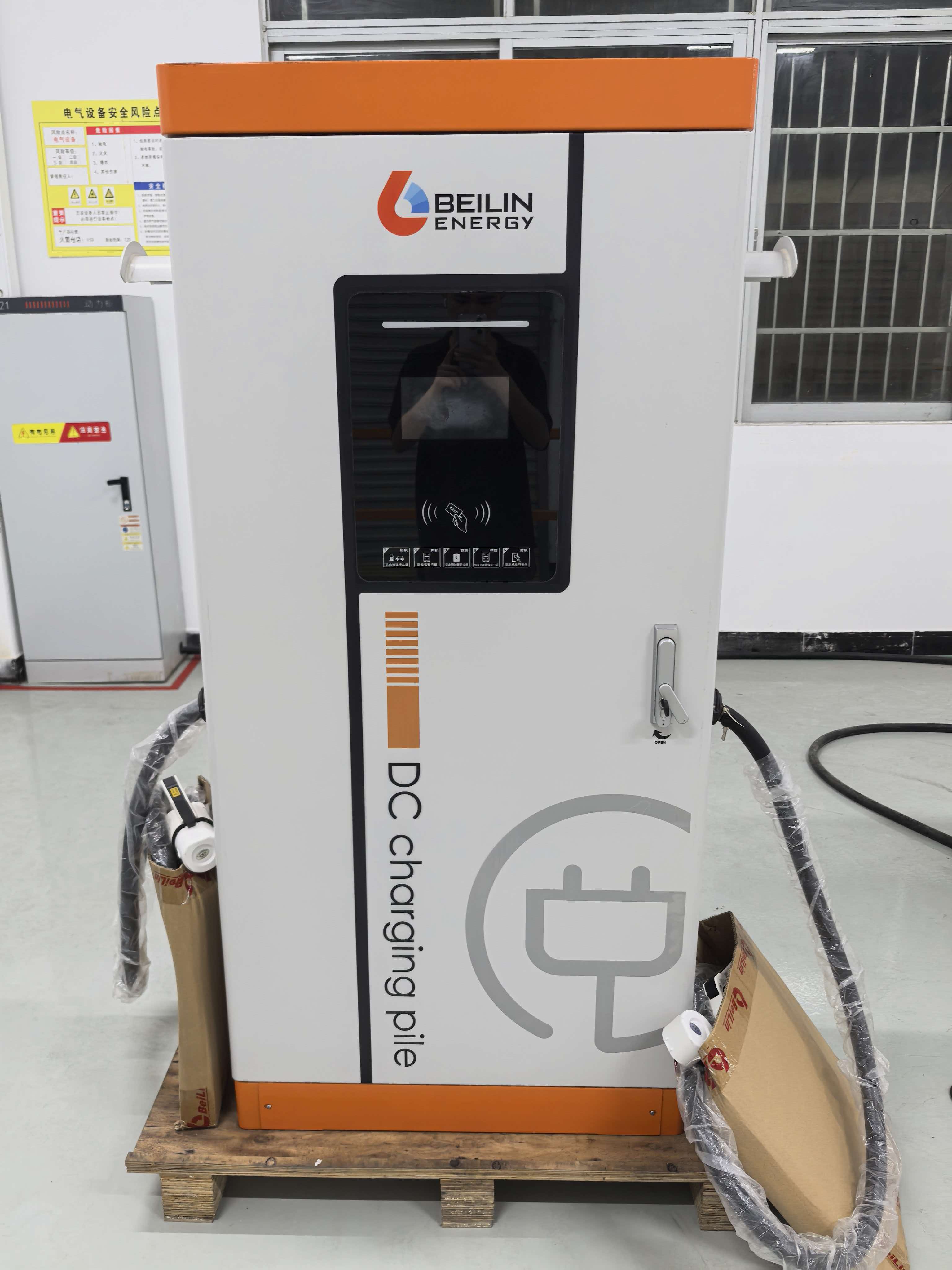
Rather than estimating how often a depot customer's equipment is actually available, ask for the uptime data they already track for billing or maintenance. Most sites keep monthly runtime records, and framing the request around their own fleet planning usually gets a quicker answer than a generic inquiry.
Give them an easy format up front. A short table or even a bullet list covering hours by machine, monthly uptime percentage, and downtime events with dates and causes is enough. This keeps the request specific and reduces the chance of getting a vague "everything's fine" reply.
If the written request goes quiet, call the depot manager or the service lead directly. Mention a particular unit or recent ticket so it feels like a working conversation rather than an audit. Once the data arrives, compare it with your own records before drawing conclusions, and close the loop with a brief note explaining what you found.
Installation and utility work can quietly double your cost
Most people budget for the visible stuff—cabinets, counters, flooring—and assume the rest will sort itself out. It rarely does. Running new electrical lines, moving a gas connection, or discovering that the old plumbing has to be cut out and replaced can eat through a reserve faster than you'd think.
The quieter costs come from things like trenching for a water line, upgrading a panel to handle modern appliances, or paying utility fees for inspections and temporary service. A single unexpected wall removal often means rerouting ducts and wiring behind it, which adds labor hours before any new finish goes in.
If you are comparing spaces or bids, ask for line-item breakdowns on utility work instead of accepting a lump sum. That number is where hidden doubling tends to live. A rough layout sketch and an hour with a contractor can reveal whether the real price is close to the quote or quietly headed somewhere else.
Service-level agreements hide the real promises
Most service-level agreements read like a list of numbers that sound reassuring until you ask what they actually protect. A 99.9% uptime figure still leaves room for downtime that lands during a product launch or the last week of the quarter. The agreement turns a business relationship into a stack of measurable tolerances, but availability percentages don't describe what it feels like when the tool your team depends on fails at noon on a Monday.
The real promises get buried because they are harder to write down. You want the vendor to care about the outcome, not just the ticket queue. You want them to know that a delayed sync matters more on payroll day than on a random Wednesday. SLAs rarely mention that. They define what the provider will do to stay within a narrow band of acceptable failure, while the unspoken promise about showing up when it matters stays off the page.
That gap is why a signed SLA can feel like progress without changing anything. It gives procurement a clean metric and leaves the customer holding a document that misses the point. What actually keeps people from leaving isn't the penalty credit for missing an uptime target. It's the quiet reliability of a service that works when the pressure is highest, and the honesty of a team that admits when it doesn't.
A two-week pilot reveals more than a polished demo
In a conference room, a demo can feel inevitable—everything clicks, questions get tidy answers, and the path forward looks obvious. But a two-week pilot tends to break that spell in useful ways. Real users bring messy habits, outdated browsers, and workflows that do not map to the ones we sketched. What looked like a simple handoff becomes a negotiation with someone’s calendar, a shared inbox, or a spreadsheet nobody admitted was the real system of record.
The pilot also surfaces small frictions that a polished demo hides by design. A button that made sense in the walkthrough gets ignored in daily use. Notifications that seemed helpful become noise by day three. These are not failures; they are early signals. When you watch people work with the actual tool, you learn where attention goes, what gets skipped, and which tasks they quietly route around.
Perhaps most important, a short pilot gives you evidence instead of impressions. Usage logs may be thin, but they are real. A handful of interviews after two weeks often carry more weight than a roomful of nodding stakeholders during a demo. The goal is not to prove the concept worked—it is to find out what needs to change before anyone calls it ready.
Who actually answers at 2 a.m. when a charger fails?
The difference at 2 a.m. is not the size of the support team; it is whether anyone picks up. Some help lines route you through three menus and then tell you to leave a message. Others have night-shift technicians who can read fault codes, reset a station remotely, or talk a driver through re-seating a connector. That level of response does not happen by accident. It comes from staffing plans that treat charging as critical infrastructure, not just a daytime business.
When a charger fails on a cold highway or in an empty parking garage, the driver usually needs two things: a clear answer and a fix that does not wait until morning. The teams that handle these calls well tend to be small, trained on the actual hardware, and authorized to reboot or reroute drivers to a working unit nearby. The ones that struggle hide behind ticket numbers. If the person on the phone cannot tell you whether the station is down or just misreporting, the system has already failed, no matter how polite the greeting is.
FAQ
Ask for teardown photos or service logs from existing depots running the same units in harsh weather. Pay attention to cable flexibility, connector latching, and whether the enclosure has any history of water ingress. A supplier that hesitates to share field failure data is usually hiding expensive downtime.
Request a sandbox or read-only API key during the pilot phase. Confirm that the charger can report session start, energy delivered, and fault codes in a format your back office already consumes. If integration requires a proprietary middleware subscription, treat that as an ongoing cost rather than a one-time setup issue.
Because a charger that sits dark for two weeks waiting on a control board erases any upfront savings. Look for a regional warehouse or a named distributor with stock. Ask how long it takes to get a technician on site under the current service agreement, not just what the marketing brochure promises.
Ask how their hardware performs at sustained full power in a dusty yard or a tight parking structure. Listen for details like thermal derating curves, connector duty cycles, and cable management for drivers who plug in multiple times per shift. Vague answers about being suitable for all use cases are a red flag.
Anchor the comparison around cost per reliable kilowatt-hour delivered over five years. Include energy losses, network fees, expected uptime, and planned maintenance visits. Request a sample maintenance schedule and pricing for common wear parts. A slightly less efficient charger with cheap local parts often beats a premium unit with long lead times.
Read the exclusions around power surges, firmware updates, and third-party commissioning. Confirm whether the warranty covers labor and travel or only replacement parts. Also check if the warranty clock starts at delivery or at first energized use, because equipment can sit in a warehouse for months before installation.
When the smaller brand offers a direct line to an engineer and can ship a replacement part from a nearby distributor overnight. Large vendors may have broad coverage but slow escalation paths. A focused supplier that only does commercial fleet charging can often fix a compatibility issue faster than a giant with many product lines.
Create a low-stakes incident during the evaluation, such as a firmware question or a commissioning error, and see who actually answers. Call the support number at a random time and ask a realistic question about voltage sag or ground fault behavior. The quality of that response tells you more than the service level agreement language.
Conclusion
Fleet owners rarely regret buying chargers that match their actual duty cycles, but plenty regret buying hardware that looks impressive on a spec sheet. If the vehicles return at predictable times and need partial top-ups before the next shift, lower-power units with longer dwell times can be more reliable and far cheaper than oversized DC fast chargers. The route schedule should dictate power levels, connector types, cable lengths, and even screen placement. Before signing anything, ask suppliers to share uptime data from existing depot customers, not just from laboratory tests or marketing decks. Real depots reveal voltage sag, network dropouts, and maintenance patterns that never show up in a brochure. At the same time, push for a detailed site assessment early. Utility upgrades, trenching, transformer work, permitting, and coordination with the local power company can silently double the projected cost, especially when the electrical room is far from the parking area or the service capacity is already tight.
Service-level agreements also deserve a careful read. Many contracts promise high uptime but exclude the very failures that happen most often, such as communication outages, software lockups, or delayed parts shipments. Ask what the vendor will actually do when a charger goes down at 2 a.m. and a driver is waiting. A call center that logs a ticket is not the same as someone answering, diagnosing the unit remotely, or dispatching a technician. A two-week pilot with your own vehicles, your own billing accounts, and your own duty cycle is more revealing than any polished demo. Test cold starts, simultaneous charging, payment failures, and load management under real conditions. The goal is not to buy a charger that works perfectly on day one, but to work with a supplier that stays accountable on day four hundred. If they hesitate to share uptime reports or avoid questions about nighttime failures, that silence is usually an answer.
Contact Us
Contact Person: Jason
Email: [email protected]
Tel/WhatsApp: 8615876017548
Website: https://www.bei-lin.com/