

Feline GS-441524 Exporter Providing Quality Treatment Solutions Worldwide
2026-10-01
When feline infectious peritonitis (FIP) enters the picture, every hour counts. Yet sourcing reliable GS-441524 shouldn’t add to the stress. Lucpets has built a global reputation as an exporter that combines rigorous quality control with real-world treatment support—so you can focus on what matters most: your cat’s recovery. In this post, we’re pulling back the curtain on how we source, test, and ship each batch, and why that process makes all the difference.
Why Cat Owners Look Beyond Borders for GS-441524
When a cat is diagnosed with feline infectious peritonitis, time becomes the enemy. In many countries, GS-441524 remains unapproved for veterinary use, leaving owners with no legal path to obtain it locally. Faced with a disease that can kill within weeks, they quickly learn that overseas pharmacies and underground networks are often the only realistic option. This isn't about skirting rules for convenience—it's about watching a beloved pet deteriorate while the medication sits just out of reach at home.
Price also plays a brutal role. Where GS-441524 is available through compassionate use or compounding clinics, the cost can run into thousands of dollars for a full treatment course. The same compound sourced from manufacturers in other regions can be a fraction of that price, even after shipping and customs risk. Cat owners trade stories in Facebook groups and Discord servers, mapping out which suppliers have reliable batch testing and which ones to avoid—turning a desperate act into a shared, hard-won knowledge base.
Beyond access and cost, there's the simple fact that cats don't care about borders. A drug's approval status in one country means nothing to a virus. Owners who see successful case reports from Australia, China, or Eastern Europe realize that the medicine exists and works, so the only question becomes logistics. That shift in mindset—from 'is there a treatment?' to 'how do I get it?'—is what pushes so many to navigate international shipping, language barriers, and legal gray areas. They aren't thrill-seekers; they're people who decided that a few warnings on a customs form matter less than the cat curled up on their lap.
What Happens in Our Quality Checks Before a Vial Leaves the Warehouse
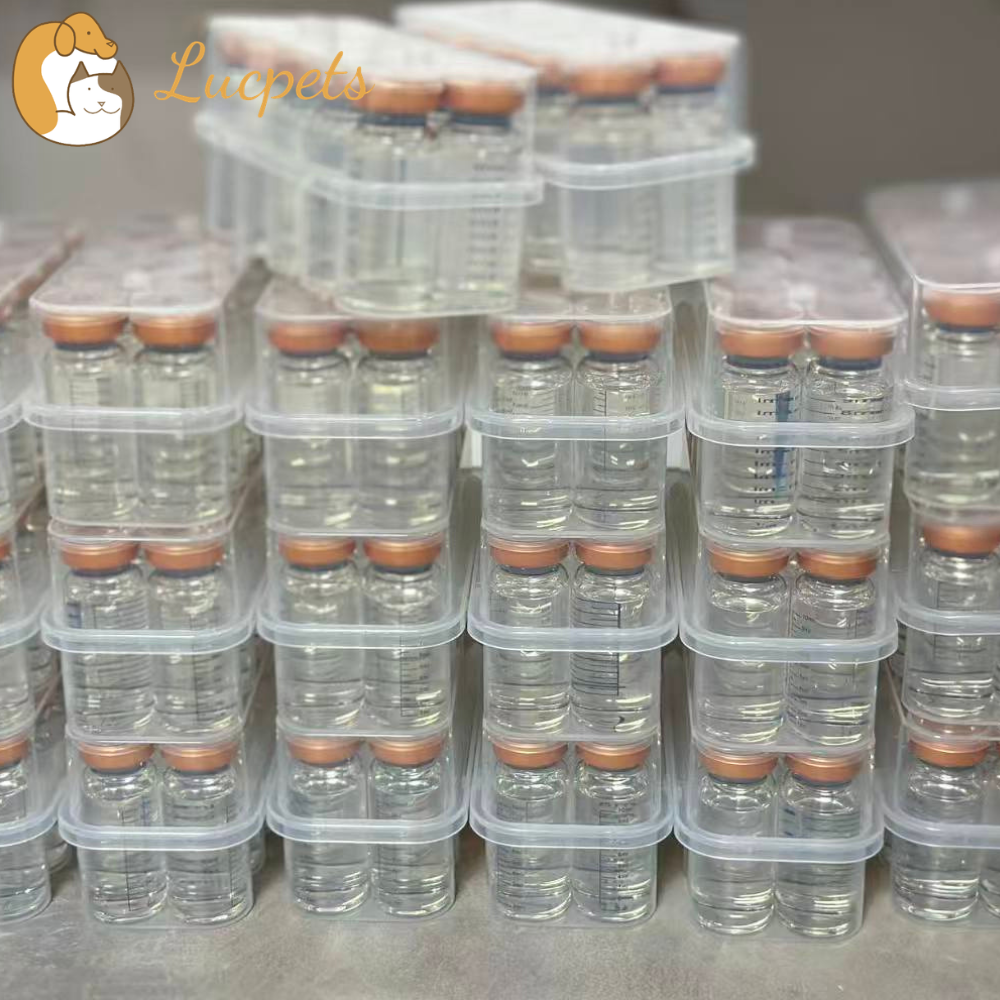
Each vial moves through a gauntlet of checks that starts with a backlit visual inspection. Technicians look for cracks, chips, or even faint particulate drifting in the liquid—issues that automated cameras sometimes miss but trained eyes catch at certain angles. Any slight imperfection pulls the unit off the line before it ever gets near a carton.
Beyond that, a random sampling from every batch goes through vacuum decay testing to confirm the seal holds under pressure changes. We also recheck fill volumes against the lot’s target weight and cross-reference the printed label, lot number, and expiration date with the batch record. Only after these numbers match and the seal proves stable does a vial get cleared for packing and dispatch.
The last step is a mandatory hold-and-release review. A quality lead signs off on the batch file, noting any deviations or out-of-spec results that appeared during production. No vial ships while this review is open; if a single unit in a batch raises a question, the entire lot waits until the investigation closes.
Keeping Feline Treatment Stable Through Long-Haul Shipping
Long-haul shipping presents unique risks for feline patients whose treatment regimens depend on precise timing, temperature control, and consistent medication schedules. To keep a cat's therapy stable over extended transit, it is critical to map out every stage of the journey and identify where disruptions could occur. For instance, insulin or compounded liquids often require refrigeration, so carriers must be equipped with portable cooling units that maintain a narrow temperature range without freezing. Beyond medication storage, feeding routines and stress levels can directly affect how a cat metabolizes certain drugs, meaning that even small changes in environment or meal timing during transit can undermine treatment efficacy.
Veterinary oversight should not stop at the point of departure. Before any long-distance move, ask your veterinarian to prepare a travel-specific care plan that includes exact dosing instructions, contingency measures for missed doses, and a list of emergency clinics along the route. Packing a dedicated medical kit with clear labels, waterproof documentation, and extra supplies is essential, but equally important is rehearsing the routine at home for a few days prior to shipping. This helps the cat acclimate to any new carriers, cooling equipment, or handling procedures, reducing the chance that anxiety will trigger vomiting or refusal of medicated food during the journey.
Communication between all parties involved—the shipping company, receiving caregiver, and veterinary team—can be the difference between a stable transfer and a medical setback. Choose a transporter experienced with live animals and medical cargo, and confirm they allow periodic checks without causing excessive disturbance. For very fragile patients, it may be worth splitting the route into shorter legs with layover rest periods, even if that raises costs. Documenting temperature logs, feeding times, and any behavioral changes in real time helps ensure that the treatment protocol remains intact from origin to destination, rather than relying on guesswork after the fact.
Dosage Without the Guesswork: A Calm Approach for Worried Pet Parents
When your dog or cat needs medication, the hardest part isn't the pill itself—it's the knot in your stomach when you stare at the bottle and wonder if you're doing the math right. The calm way through this starts with one simple shift: stop trying to calculate from memory or a random forum post. Keep a small notebook or a note on your phone with your pet's exact weight from the last vet visit, the prescribed dose per kilogram, and the total daily amount written in plain numbers. That single record turns a stressful guessing game into a quick, repeatable check.
If the label says something like give 0.5 ml per 5 pounds, don't multiply in your head while your pet squirms. Use the syringe or dosing cup that came with the medicine, and mark the correct line ahead of time with a tiny piece of tape if you need to. For liquid meds, set the bottle on a flat counter, draw the dose slowly, and hold it up to eye level to confirm the meniscus sits right on the line. If you ever feel unsure, a photo of the bottle and your pet's current weight sent to your vet's office takes two minutes and removes all doubt. Dosage precision isn't about being perfect—it's about creating a small routine that keeps you steady, so your pet picks up on your calm instead of your worry.
From a Wobbly Kitten to a Window Perch: The Recovery Arc
When the tabby first arrived, every step looked like a negotiation with gravity. Her back legs splayed on the kitchen tile, and the simple act of standing up required a pause to catch her balance. She'd wobble toward the food bowl, tail twitching like a faulty metronome, then collapse into a tiny heap after three unsteady strides.
Week by week, the wobble softened into a cautious trot. The couch became a training ground for jumps she'd abort halfway, landing in a clumsy roll that she'd pretend was intentional. But her eyes never left the window — the sunlit ledge with its view of sparrows and passing cars. Each failed leap seemed to map the distance a little better.
Then one afternoon, without any preamble, she coiled her hind legs and launched. Four paws landed squarely on the perch, and she sat there blinking at the outside world as if she'd owned the spot for years. The wobble was gone, replaced by the kind of quiet confidence that only comes from a body finally catching up to its instincts.
The Export Standard We Hold Ourselves To When Lives Are on the Line
Every shipment that leaves our facility is treated as if it will be used on someone we know. That means a final inspection is not a formality, but a deliberate pause. Every seal, every power cord, every sterile pouch is checked against the destination's specific requirements. If a single packing label is smudged or a battery shows a 1% drop under load, the crate doesn't move. We would rather explain a delay than defend a failure.
Exporting life-critical equipment is not just about customs paperwork and freight forwarders. It is about understanding that a hospital in a humid coastal city needs different humidity protection than one in a dry mountain region. Our crates are built for the journey, not just the destination. We use shock indicators, temperature loggers, and desiccant packs that are swapped based on the route, not the month. Every box is sealed with tamper-evident tape and logged with a serial number that tracks each handling point.
And when the shipment arrives, our responsibility does not end at the receiving dock. A local-language technical team is available on the same time zone, ready to walk a biomedical engineer through setup or troubleshoot an alarm. We keep spare parts in regional hubs, not just in a central warehouse an ocean away. Because in the moments when this equipment matters most, the export standard we hold ourselves to is the same one we would demand if the patient on the table were ours.
FAQ
We focus on batch consistency and third-party purity testing, so every order matches the same potency veterinarians rely on. Our team also verifies stability under real shipping conditions rather than just lab storage.
We currently serve clinics, pharmacies, and pet owners across North America, Europe, Asia, and Australia. Shipping routes are adjusted based on local import rules to reduce delays.
When dosed correctly and monitored by a vet, it has shown strong remission rates in both wet and dry FIP. We provide clear usage guides and encourage regular bloodwork to track progress.
Each vial is sealed under nitrogen and packed with temperature-stable insulation. We also include a heat-exposure indicator so you can check if the shipment ever exceeded safe limits.
Yes, but we ask for a confirmed diagnosis and current weight from your veterinarian. This helps us recommend the right vial size and avoids underdosing.
You get access to a private consultation channel where our team helps with dosing adjustments, injection tips, and interpreting lab results. We stay involved until treatment ends.
Since FIP responses vary, we replace any batch that fails purity testing or arrives damaged. For clinical outcomes, we work with your vet to adjust the protocol before considering refunds.
Most orders arrive within 5 to 10 business days. Express options are available for urgent cases, and we send tracking details the same day the package leaves our facility.
Conclusion
When a kitten is diagnosed with FIP, local pharmacies often come up short, so caregivers turn to overseas exporters with a mix of hope and doubt. We earn that trust by putting every batch through three rounds of purity and sterility checks before a single vial is sealed. The real challenge begins at the loading dock: vials are wrapped in insulated foam, paired with temperature loggers, and packed in boxes that can take a tumble without cracking. Long-haul flights and customs delays won't degrade the formula, because we test for stability under extreme temperature swings.
Dosing a sick cat shouldn't feel like a math exam. Our label includes a clear weight-based chart, and a real person is available by chat to walk worried owners through the first injection. That calm support matters — we've watched a wobbly kitten refuse food one week, then climb a window perch three weeks later, pupils bright again. When lives are on the line, our export standard isn't a slogan; it's the same protocol we'd demand for our own cats: batch records, tamper-evident seals, and a shipping partner who treats every box as if it holds a beating heart.
Contact Us
Contact Person: Aaron
Email: [email protected]
Tel/WhatsApp: +86 18177165140
Website: https://www.lucpetsglobal.com