
Flame Retardant Fabric OEM: Custom Solutions for Fire-Resistant Textile Manufacturing
2026-06-29
In industries where fire hazards are a daily reality, standard protective textiles rarely check every box. That’s why more manufacturers are turning to specialized Flame Retardant Fabric OEM partners who can tailor solutions from fiber to finish. Enter DROTEX—a name quietly powering custom fire-resistant textile manufacturing with precision and agility that off-the-shelf options simply can’t match. Curious how bespoke FR fabrics can solve your toughest safety challenges? Read on to discover what true customization really looks like.
Crafting Bespoke Flame-Resistant Fabrics for Unique Industry Demands
We start by examining the exact conditions your fabrics will face—whether that’s molten metal splash in foundries, arc flash risks in electrical utilities, or chemical exposure in labs. This isn’t about off-the-shelf solutions; it’s about weaving protection directly into the fiber structure. Our team selects from a broad palette of inherent FR fibers, blends, and treatments to match the thermal stability, durability, and comfort your workers need. Each yarn and weave pattern is scrutinized against the specific danger, not just generic standards.
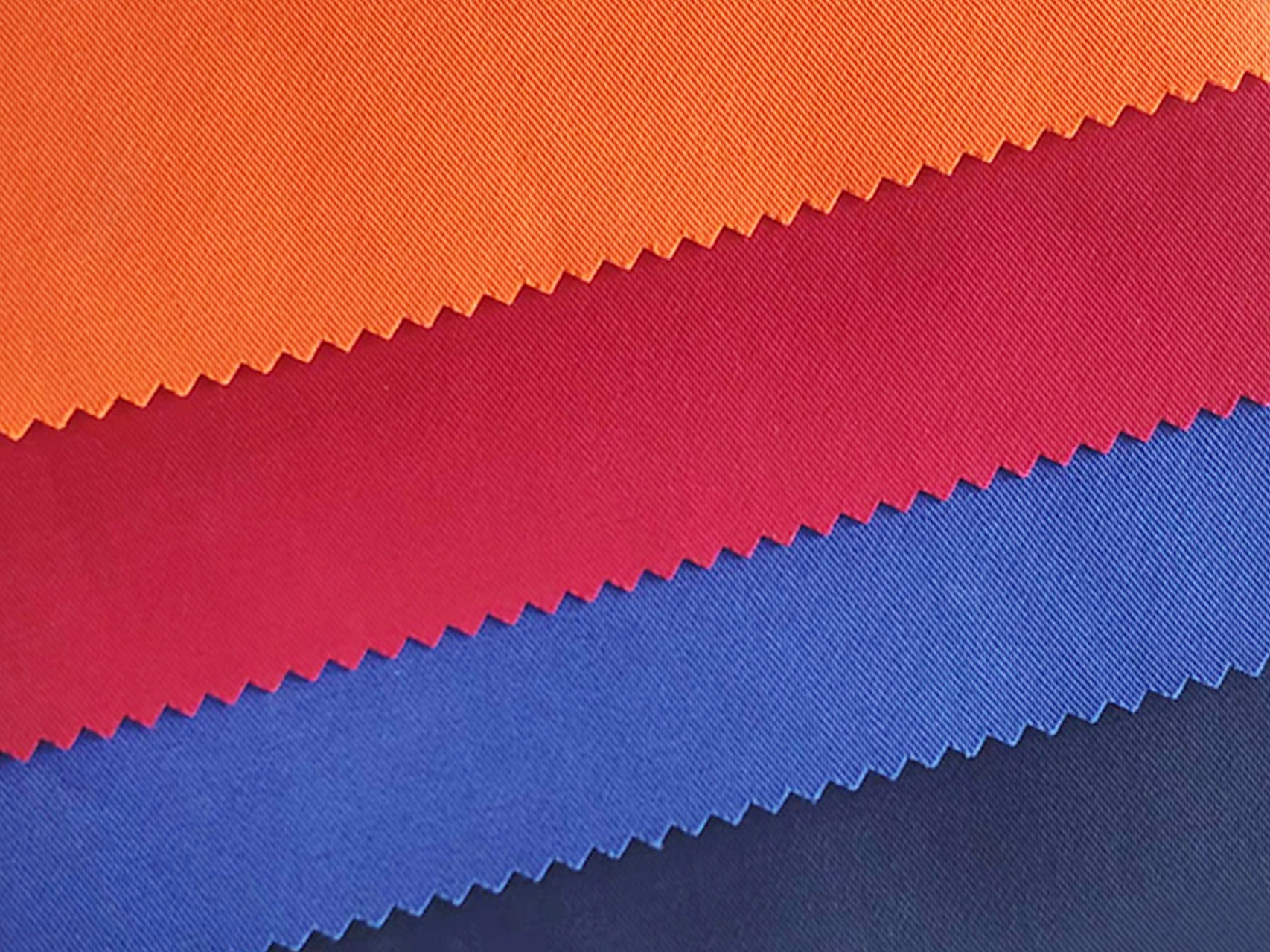
Customization goes beyond material choice. We engineer fabric weights, breathability, and stretch to suit movement-heavy roles or high-heat environments without adding unnecessary bulk. A team maintaining offshore rigs requires different moisture management than a cleanroom technician, and we factor in layered clothing systems and extended wear. Even the color and anti-static properties are tuned—because a blue flame-resistant coverall that fades after twenty washes isn’t truly fit for purpose.
The real test comes in validation. We replicate your industry’s worst-case scenarios in our labs, running samples through standardized and custom flame exposure protocols, thermal mannequin tests, and repeated laundering to ensure the performance stays consistent. It’s about giving you fabric that not only passes a certification audit but performs when it matters, year after year.
Navigating Compliance: How We Meet Rigorous Fire Safety Standards
We tackle fire safety compliance as a core engineering challenge, not a bureaucratic hurdle. Every project kicks off with a deep dive into the specific codes that apply—whether local, international, or industry-specific—and we map out a clear path from design to certification. By involving our compliance specialists early, we sidestep the costly missteps that come from retrofitting solutions late in the game.
Our testing philosophy goes beyond passing standard benchmarks. We subject materials and assemblies to aggressive flame spread, smoke density, and heat release trials, often pushing conditions further than what typical regulations demand. This extra mile gives our clients confidence that their buildings and assets remain protected under real fire conditions, not just in theory.
Staying current with evolving standards is a continuous effort. Our team regularly engages with industry working groups and standards committees, so we’re always ahead of emerging requirements. This proactive approach means we don’t just react to changes—we help shape them, delivering solutions that are certified and future-ready.
From Military to Industrial: Tailored FR Textiles for Every Sector
The journey of flame-resistant (FR) textiles began in the high-stakes world of military operations, where protection against flash fires and extreme heat is non-negotiable. Early innovations focused on creating durable, lightweight fabrics that could shield soldiers from battlefield hazards without hindering mobility. Over time, these breakthroughs proved invaluable beyond defense, sparking interest across industrial sectors facing their own thermal risks. The core technology—whether chemical treatments or inherently flame-retardant fibers—was refined through decades of military use, establishing a foundation of trust and performance that industry now builds upon.
Moving from barracks to factories, the same engineering excellence is now being tailored to a diverse array of civilian workplaces. Oil and gas refineries demand FR garments that can withstand prolonged exposure to hydrocarbons, while electric utilities require arc-flash protection that balances safety with comfort during long shifts. Even subtle differences, like the need for high-visibility striping in construction or anti-static properties in chemical plants, influence how FR fabrics are woven, finished, and tested. Manufacturers have adapted military-proven textiles by adjusting weave structures, incorporating stretch for ergonomic fit, and designing layered systems that allow workers to customize their level of protection.
Today’s market no longer treats FR solutions as one-size-fits-all. Sectors from automotive welding to aerospace manufacturing source specialized fabrics that merge battlefield-grade resilience with industry-specific certifications like NFPA 2112 or ASTM F1506. This evolution reflects a shift toward human-centered design: fabrics that breathe better for indoor tasks, repel stains in messy environments, or maintain their protective qualities after hundreds of industrial launderings. By leveraging the rigorous heritage of military textiles and reinventing it for everyday occupational hazards, the FR industry delivers gear that feels less like a uniform and more like a second skin—no matter the work at hand.
The Science Behind Lasting Flame Protection
Lasting flame protection doesn’t happen by chance. It’s rooted in how materials interact with heat and oxygen at a molecular level. When a flame-resistant material is exposed to fire, it either forms a protective char layer that insulates the underlying fabric or releases non-flammable gases that dilute oxygen around the material. These mechanisms work in tandem to cut off the fire’s fuel source, effectively stopping combustion from spreading.
The durability of this protection depends on the stability of the chemical bonds within the material. Inherently flame-resistant fibers, for instance, have flame-retardant properties built right into their polymer structure—meaning they won’t wash out or wear away over time. Other treatments create a cross-linked network on the fabric surface that resists degradation from heat, laundering, and everyday use, ensuring the protective qualities remain intact for the lifespan of the garment.
What’s often overlooked is the role of thermal decomposition kinetics. A material designed for lasting flame protection is engineered to decompose in a controlled manner, absorbing heat and forming a robust char at a rate that matches the intensity of the fire. This precise balance prevents sudden breakthroughs of heat, giving wearers those crucial extra seconds to escape. By fine-tuning the chemical composition and fabric construction, manufacturers can tailor protection levels for everything from industrial workwear to home furnishings without sacrificing comfort or flexibility.
Seamless OEM Integration: From Concept to Production
Our approach bridges the gap between initial design and final manufacturing, ensuring a streamlined journey from blueprint to delivery. We don’t just manufacture products; we align with your vision from day one, adapting processes to fit your specific requirements.
Each project passes through a structured yet flexible pipeline, where iterative prototyping meets rigorous testing, minimizing delays and preserving design intent. This collaborative rhythm eliminates the usual back-and-forth, turning complex ideas into tangible results with speed and precision.
From sourcing components to final assembly, every step is orchestrated under one roof, removing friction and ambiguity. The result is a cohesive supply chain that feels like an extension of your own infrastructure, delivering quality at scale without surprises.
Why Custom FR Fabric Solutions Outperform Off-the-Shelf Alternatives
Off-the-shelf FR fabrics often force a compromise—you either accept a limited color range or settle for a standard performance level that may not fully align with your project’s demands. Custom solutions eliminate that trade-off by letting you dial in the precise weight, texture, and flame resistance rating your application actually needs. Instead of adapting your design to what’s available, the fabric is built around your requirements, resulting in a cleaner integration and fewer workarounds down the line.
Another overlooked advantage is consistency across production batches. With mass-produced alternatives, slight variations in dye lots or finishing treatments can cause mismatched panels or unexpected performance gaps. When you go custom, you lock in a defined specification from the start, and every yard is produced to that exact standard—reducing waste, rework, and headaches during installation.
Custom FR fabrics also open the door to innovative blends and constructions that off-the-shelf catalogs rarely cover. Need a lightweight drape with a soft hand but also high abrasion resistance for a high-traffic hospitality setting? A made-to-order solution can combine fiber types and coatings in a way that pre-packaged goods simply cannot, giving you a material that feels distinct and holds up longer under real-world conditions.
FAQ
OEM stands for Original Equipment Manufacturing. In our field, it means we produce flame retardant fabrics based on your exact specifications—whether you need a unique blend, specific weight, or performance features. We don't just sell off-the-shelf products; we engineer textiles that match your brand's requirements while meeting fire safety standards.
Absolutely. You aren't limited to standard looks. We can match any Pantone color and adjust the hand feel—from soft and drapey for apparel to stiff and durable for industrial use. The fire-resistant properties are inherent to the fiber or added through treatment, so they won't fade with dyeing or finishing.
Our fabrics can be produced to comply with a wide range of international standards, including NFPA 701, NFPA 2112, ASTM E84, EN 11612, EN 14116, IMO FTP, and more. We also work with third-party testing labs to certify your specific fabric, so you'll have the documentation needed for your market.
We serve diverse sectors: oil and gas (protective clothing), military and tactical gear, aviation and automotive interiors, hospitality (drapery and upholstery), healthcare (privacy curtains), and even residential applications like fire-safe blackout curtains. Each industry has unique requirements, and we tailor the fabric accordingly.
It starts with a consultation where we define the end-use requirements—FR standard, fiber content, weight, width, color, and any additional features like anti-static or moisture-wicking. Then we develop a sample for your approval. Once signed off, we move to bulk production with strict quality control at each stage. Typical lead times vary from 4 to 8 weeks depending on complexity.
We offer both inherent FR fibers (like modacrylic, aramid, and FR polyester) and topical treatments for natural or synthetic blends. Inherent FR is permanent and doesn't wash out, while treated fabrics may require re-treatment after many washes. We can advise on the best option based on lifespan, comfort, and cost.
Durability depends on the type. Inherent FR fabrics retain their protection for the life of the garment or fabric, even after industrial laundering. Topically treated fabrics are tested to withstand a certain number of wash cycles—usually 50 to 100—but we can engineer treatments that exceed that. We'll provide care instructions and wash test data for your specific fabric.
Yes, we understand that small brands or specialized projects can't commit to huge volumes. We can start with as little as 500 meters per color/design, though the exact minimum depends on the complexity of the weave, dye process, and finishing. We're happy to discuss flexible options to get your project off the ground.
Conclusion
Crafting flame retardant fabrics that meet unique industry demands requires a deep understanding of fiber science and rigorous safety standards. Our OEM approach starts by analyzing the specific risks your workers or equipment face—whether it involves electrical arcs, molten metal splashes, or open flames. We select inherently flame-resistant fibers and engineer fabric structures that balance protection, comfort, and durability. Every custom solution is tested against international benchmarks like NFPA 2112 or EN 11612 to ensure full compliance without compromising wearability. The science behind lasting flame protection goes beyond surface treatments; we focus on molecular-level modifications that won’t wash out, so protection endures through countless industrial wash cycles.
From military uniforms to industrial workwear, our tailored FR textiles serve every sector where heat and fire are daily threats. Unlike off-the-shelf alternatives, custom OEM fabrics integrate seamlessly into your supply chain, reducing lead times and ensuring consistency. Our team works with you from concept to production, refining weave patterns, weights, and colors to match your product specifications exactly. This collaborative process eliminates the compromises of stock fabrics—you get a solution that fits functionally and aesthetically, while we handle the complex logistics of manufacturing and compliance. The result is a fabric that doesn’t just meet standards; it enhances safety, performance, and brand identity in ways generic textiles cannot.
Contact Us
Contact Person: Sandy
Email: [email protected]
Tel/WhatsApp: 86150 8310 5120
Website: https://www.frdrotex.com