

How to Pick the Right Solar Portable System Supplier for Your Off-Grid Needs
2026-10-13
Going off-grid is more than just a lifestyle choice—it's a commitment to independence. But that independence hinges on one critical decision: finding a supplier who won't leave you in the dark. With countless options flooding the market, how do you separate the reliable from the risky? That's where SRS comes in. Before you invest a single dollar, let's unpack what truly matters in a solar portable system partner.
Start by Auditing Your Actual Power Draw in the Field
Datasheets and lab benches rarely tell you what a device actually pulls once it's bolted into place. The first step is to measure the load where it lives. Use a true-RMS clamp meter or a logging power analyzer on the supply conductor while the equipment runs its normal daily routine—startup, idle periods, peak operations, and shutdown. Record the inrush current when motors or power supplies first energize, then watch how the draw settles. You'll usually find a wide gap between the nameplate rating and the real number, and that gap is often pure waste.
A single spot check won't catch the full story. Let the audit run long enough to observe the machine across different ambient temperatures, line voltages, and workload intensities. Sample every few seconds, and flag any draw that stays high after active processing stops. Intermittent loads—cooling compressors cycling, server CPU boost states, standby heaters kicking in—often hide in the averages. Building a time-series picture makes those anomalies obvious and gives you a factual baseline instead of a guess.
Field conditions can skew the readings in ways a controlled test doesn't. Long branch circuits lower voltage and raise current, hot enclosures increase fan duty, and reactive loads make apparent power look worse than the real watts. If the audit is repeated after correcting wiring or improving airflow, the difference in the logged curve shows exactly how much those site-specific issues were costing. The goal isn't a perfect number—it's a trustworthy one you can act on.
Dig Into Battery Chemistry and Cycle Life, Not Just Capacity
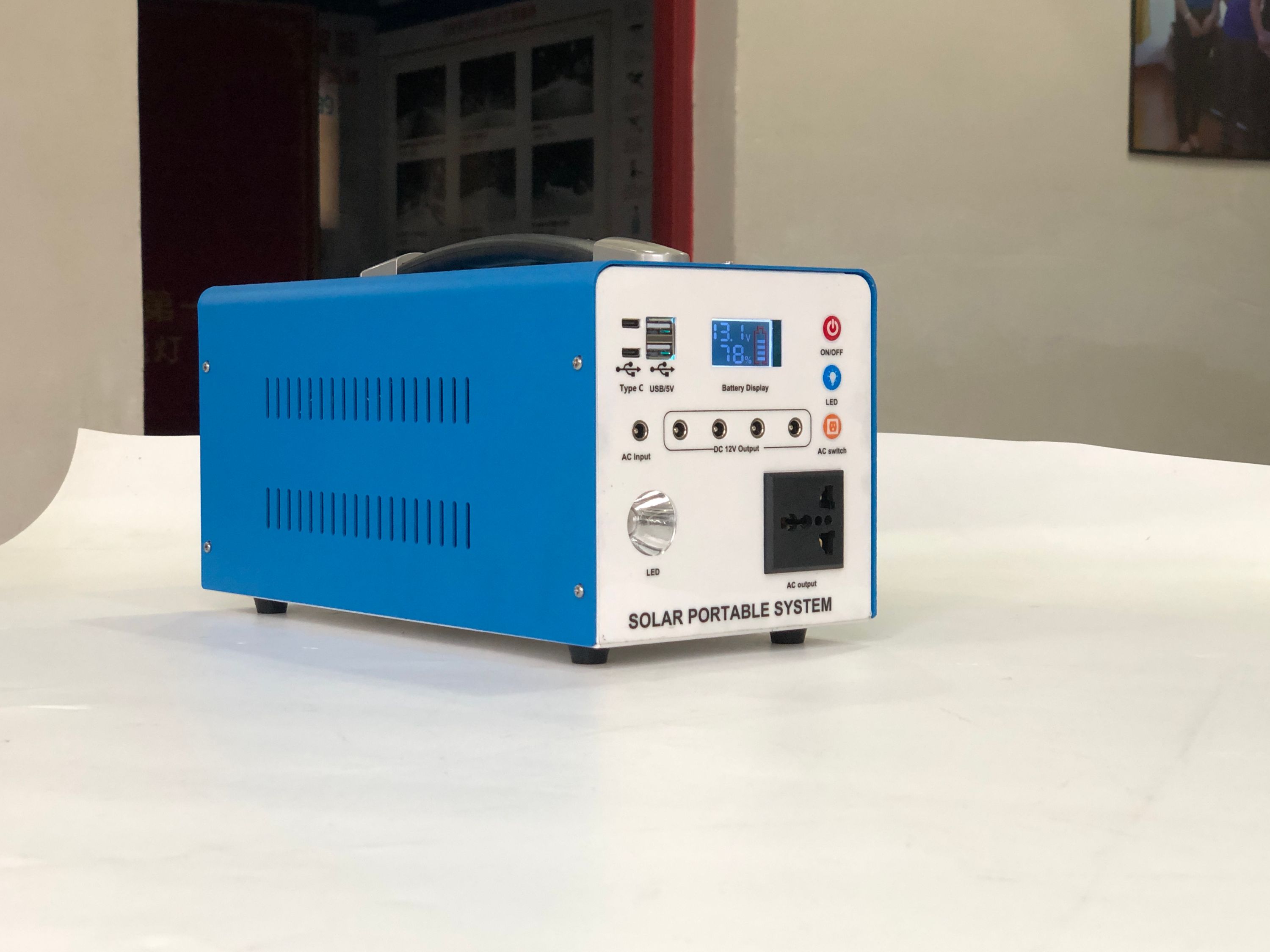
When people shop for batteries, the first number they check is often the milliamp-hour rating. But that single figure hides more than it reveals. A 5,000 mAh cell from one chemistry can behave completely differently from another with the same capacity. What actually determines real-world usefulness is the electrochemical system inside—and how many charge-discharge cycles it can survive before fading.
Consider lithium cobalt oxide versus lithium iron phosphate. The former packs more energy into the same volume, which is why it shows up in slim smartphones. But its cycle life is typically a few hundred full cycles before noticeable degradation. Lithium iron phosphate, by contrast, is heavier and bulkier for a given capacity, yet it routinely delivers 2,000 to 5,000 cycles. For a solar storage system or an electric forklift that gets charged daily, that difference means the LFP pack lasts a decade instead of two years—even if the initial capacity looks lower on paper.
The same principle applies to nickel manganese cobalt chemistries, which sit somewhere in between. Battery vendors love to advertise big capacity numbers because they're easy to compare. But a power tool user who drains and recharges a battery every day cares far more about whether it still holds 80% of its original charge after 500 cycles than whether it started at 4.0 Ah instead of 3.5 Ah. Digging into the chemistry and verified cycle-life data before buying can save you from repeatedly replacing a pack that looked impressive on the shelf but aged quickly in your hands.
Ask for Real-World Performance Data in Similar Off-Grid Conditions
Before committing to any off-grid power system, ask the supplier for performance data collected in conditions that closely match yours. Not just lab results — actual field logs from installations with similar sun hours, temperature swings, and load patterns. A unit that works flawlessly in a mild coastal climate may struggle in high-altitude cold or humid tropics. Request daily or weekly output records over at least one full year, not a cherry-picked summer week.
Pay attention to how the system behaves during the worst-case scenarios: consecutive cloudy days, extreme heat reducing battery efficiency, or sudden heavy draws. Ask for data on voltage sag under peak loads, battery capacity retention after twelve months, and any reported faults or maintenance interventions. If the supplier hesitates to share raw data or only offers marketing summaries, treat that as a red flag.
Real-world performance data from comparable off-grid sites will tell you more than any spec sheet. It reveals whether the inverter can handle motor startups, whether the charge controller truly maximizes harvest in partial shade, and how the whole setup degrades over time. Comparing data from at least three similar installations gives you a realistic baseline, allowing you to plan your energy budget without unpleasant surprises.
Check How the Supplier Handles Custom Mounting and Cable Runs
Custom mounting often reveals more about a supplier’s engineering depth than any spec sheet. Ask for photos or CAD drawings of previous installations that involved non-standard brackets, angled surfaces, or unusual chassis constraints. A supplier that can show how they routed cables inside a tight enclosure—and explain why they chose that path—is far more likely to deliver hardware that fits your real-world setup rather than a generic reference design.
Pay close attention to how they discuss strain relief and service loops. Many vendors treat cable runs as an afterthought, leaving installers to zip-tie bundles wherever they fit. A better supplier will describe dedicated tie-down points, pre-drilled cable entry locations, or even custom-length harnesses matched to your panel layout. If they hesitate or offer vague answers about cable routing, that’s a warning sign for future integration headaches.
Before committing, request a mock-up or prototype for the mounting interface itself. This doesn’t have to be a finished product—a 3D-printed bracket or a sample cut from aluminum can expose tolerance issues early. In one project, a supplier’s willingness to test three different standoff heights saved us from ordering dozens of enclosures with misaligned connectors. That kind of practical iteration is what separates a dependable partner from a box mover.
Test Support Channels Before You Place an Order
Placing an order without first testing the support channels is like buying a car without checking the brakes. You might get lucky, but the moment something goes wrong, you're stuck. Send a quick message to the help desk before you commit. Ask a specific question about delivery times, return policies, or product specs. Pay attention to how long they take to respond and whether the answer actually addresses your concern, not just a canned reply.
Try every channel you might need later: live chat, email, even a phone call if they list one. Some vendors look great on their sales pages but vanish when you need real help. If the pre-sale response is slow or evasive, imagine how bad it will be after they have your money. A five-minute test now can save you weeks of frustration later.
Don't just check speed—check tone and competence. A support team that answers in broken English with vague apologies won't suddenly become sharp and helpful once you're a paying customer. Ask something slightly technical, like whether a component fits a specific model. If they fumble that, you know what to expect down the road.
Compare the Full Cost of Keeping the System Running
When budgeting for an always-on system, most teams stop at the obvious line items: electricity, hardware replacement, and maybe a monthly cloud bill. The full picture is messier. Software licenses renew at different times, security patches demand unscheduled overtime, and cooling or backup power quietly adds thousands per year. Those scattered costs rarely appear in a single comparison sheet, which leads to underestimating what “keeping it running” actually costs.
Look beyond the sticker price of a new setup versus the old one. A legacy box might sip power but require an expensive specialist on call, while a modern system could eliminate half those labor hours through automation yet raise licensing fees. Calculate a five-year total, factoring in likely failures, data migration for future updates, and the revenue lost during even brief outages. Often the cheaper upfront option turns out to be the more expensive one to keep alive.
Build a comparison that includes irregular but inevitable costs: compliance audits, forced version upgrades, and incident response. Assign rough annual values to these instead of assuming they won't happen. Then rank the options side by side. You'll usually find that a system with a lower monthly fee can still drain the budget through emergency fixes and manual workarounds, while a higher initial investment might flatten out over time.
FAQ
Dig into their past projects, not just sales pitches. Ask for references from customers who've used their gear off-grid for at least a year. Check if they've handled systems similar in size to what you need. A supplier with a history of long-term installations in harsh conditions is worth more than one with flashy marketing.
It's critical. Look for suppliers that offer LiFePO4 batteries rather than older lead-acid. LiFePO4 lasts longer, handles deep discharge better, and is safer. Ask about the battery management system – a good supplier will explain it without jargon. If they can't tell you the expected cycle life at your typical depth of discharge, move on.
Local has real advantages: you can visit their warehouse, see the panels and batteries in person, and get faster support if something breaks. But don't dismiss online vendors – some offer excellent warranties and responsive remote support. Weigh the shipping costs and lead times against the value of local troubleshooting. For off-grid setups, having a nearby tech who knows your system is a big plus.
Ask what exactly the warranty covers – panels, batteries, charge controllers, inverters? How long is each covered? What's the process for a claim? A vague "we stand behind our products" isn't enough. Request a written warranty document and read the fine print. Also ask about replacement parts availability: if a component fails in three years, can you get a compatible part quickly, or will they tell you to buy a new system?
Call them before buying and ask a specific technical question, like "What's the recommended charge current for a 200Ah LiFePO4 battery at 12V?" A knowledgeable team will give you a straight answer and maybe suggest adjustments based on your solar array. If they dodge, put you on hold forever, or just read from a script, that's a red flag. Also ask how they handle troubleshooting over the phone or video call for remote off-grid sites.
For most off-grid beginners, a complete kit from one supplier reduces compatibility headaches. But make sure the kit is truly matched – some suppliers bundle cheap inverters with good panels. Ask for the spec sheet of each component and verify they work together. If you have some experience, piecing together from a supplier that offers expert guidance can save money, but it's more work.
Look for certifications on the products themselves, not just the supplier. Panels should have IEC or UL certification. Batteries should meet UN38.3 for transport safety. The supplier should be able to provide these documents without hesitation. Also check if they're registered with any industry bodies – though that's not a dealbreaker, it shows some commitment to standards.
Don't just look at the total price. Break down each quote by component: panel wattage, battery capacity in watt-hours, charge controller type (MPPT vs PWM), inverter size, and included mounting hardware. Also factor in shipping, taxes, and any import duties. A lower upfront cost might hide a smaller battery or a PWM controller that wastes solar energy. Ask each supplier to itemize, then compare apples to apples.
Conclusion
Before you even shortlist suppliers, grab a multimeter or a data logger and spend a week measuring what your gear actually pulls in the field—not what the spec sheets claim. That baseline exposes the gap between marketing watts and real amp-hours, which matters more than any brochure. Once you know your true load, focus on the battery itself: a cheap lithium-ion pack rated at 100Ah might only survive 400 cycles at 80% depth of discharge, while a well-built LiFePO4 unit could give you 2,500 cycles under the same stress. Ask the supplier for cycle-life curves, not just nominal capacity, and request real-world performance logs from customers running similar off-grid setups—hot tents, remote cameras, field labs. If the vendor hesitates or sends a generic datasheet, move on.
Custom mounting and cable runs often separate a true off-grid partner from a box shifter. Tell the supplier exactly where your panels will sit—on a vehicle roof, a rocky slope, a pole mount—and see if they propose a bracket or just shrug. Then test their support before ordering: call the number, send an email with a technical question, and time the response. A supplier that answers in two hours with a wiring diagram beats one that replies in two days with a ticket number. Finally, price out the full runtime cost: replacement batteries, spare charge controllers, shipping for warranty claims, even the downtime when a part fails. A system that is 15% cheaper upfront can cost triple over three years if the supplier charges for firmware updates or ignores field failures. Choose the vendor you would want to call at midnight from a mountain pass.
Contact Us
Contact Person: kitty
Email: [email protected]
Tel/WhatsApp: +8618676039824
Website: https://www.srssolargroup.com/