

Laser Therapy for Rhinitis: How to Choose the Right Treatment
2026-05-23
Struggling with persistent rhinitis can feel like an endless battle—congestion, sneezing, and discomfort that just won’t quit. You might have tried sprays, pills, or even home remedies, but relief often proves temporary. What if there’s a more lasting solution? Laser therapy is emerging as a precise, minimally invasive option that targets the root cause, and choosing the right treatment matters more than you think. At the forefront of this innovation, GUANG TAI offers advanced devices trusted by clinics worldwide. Dive in to discover how to navigate the options and finally breathe easier.
Identifying the Root of Your Nasal Struggle
Pinpointing the true cause behind your nasal congestion often starts with noticing patterns—does it flare up seasonally, after meals, or when you’re lying down? These subtle clues can help distinguish between an allergy, a structural issue, or a reaction to irritants. Keeping a simple symptom journal for a week or two can reveal connections you might otherwise overlook.
It’s easy to blame every stuffy nose on a cold, but chronic struggles usually have deeper roots. Environmental factors like dust mites, mold, or even dry indoor air can silently provoke ongoing inflammation. In other cases, the shape of your nasal passages—whether from a deviated septum or swollen turbinates—may be restricting airflow no matter how many decongestants you try.
Rather than chasing quick fixes, invest time in identifying your triggers. Consider whether your symptoms improve away from home, or if certain foods leave you congested afterward. This detective work doesn’t just lead to more effective relief—it often prevents years of trial and error with treatments that address the wrong problem entirely.
The Science of Light-Based Relief Without the Hype
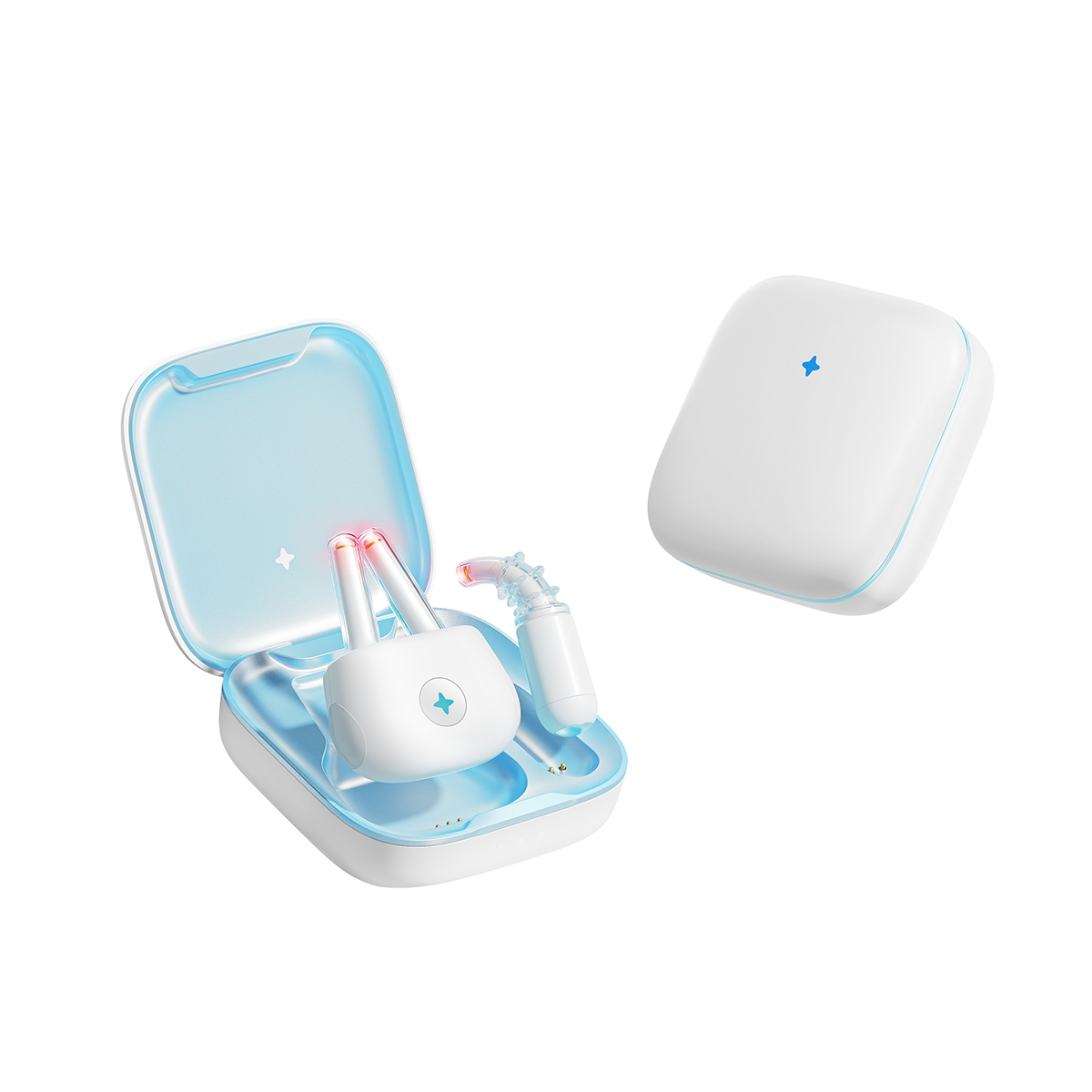
Light therapy often gets lumped in with flashy wellness fads, but the underlying biology is refreshingly straightforward. Specific wavelengths, particularly in the red and near-infrared spectrum, interact with mitochondria—the powerhouses of our cells—to enhance energy production. This process, known as photobiomodulation, helps reduce oxidative stress and inflammation at the cellular level. It’s not about magic rays; it’s about giving your cells a gentle nudge to do what they already know how to do.
The effects are most evident in tissues with high energy demands, like muscles and nerves. When light penetrates the skin, it stimulates a cascade of reactions that improve blood flow and accelerate repair. This is why you’ll often see it used for sore joints or post-workout recovery—not because it’s a cure-all, but because it supports the body’s own healing rhythms. The key is consistency and appropriate dosage; sporadic use won’t suddenly overhaul your physiology, but regular sessions can compound over time.
What sets genuine light-based relief apart from the hype is the emphasis on measurable outcomes rather than promises. It doesn’t require mystical thinking—just a basic understanding of how light interacts with biology. The same principles that help plants thrive under sunlight can be harnessed for human cells, without exaggerated claims. In a world of quick fixes, this approach stands out by being quietly effective, not loudly miraculous.
Which Laser Fits Your Lifestyle?
Your daily routine and long-term goals shape the kind of laser technology that will truly serve you. If you're constantly on the move, a compact diode setup that sits neatly on a shelf may be your best ally, ready for quick touch-ups without dominating your space. For those who view crafting as a weekend escape, a more robust system with enhanced cooling and broader material compatibility transforms home projects into polished pieces without demanding constant attention.
Consider how much hands-on adjustment you actually enjoy. Some of us love tweaking mirrors and aligning beams, while others just want to press a button and watch the magic happen. Solid-state lasers often deliver that reliable, low-maintenance experience, making them ideal for creators who'd rather refine designs than calibrate hardware. Meanwhile, CO2 machines reward tinkerers with exceptional versatility across organics—think leather, glass, and acrylic—provided you’re happy to spend a little time on upkeep.
Space and noise are the unspoken deal-breakers. A laser humming in the corner of your living room needs to coexist with your life, not overpower it. Most modern options are surprisingly quiet, but a large-format cutter with an external chiller might feel more at home in a garage or dedicated workshop. Before committing, imagine where the machine will live and how its presence will blend with your day—whether it's a subtle guest in your creative corner or the centerpiece of a full-blown maker space.
Spotting a Clinic That Puts You First
Walking into a clinic that genuinely prioritizes your well-being feels different from the moment you arrive. The reception isn’t just efficient—it’s warm, with staff who remember your name and ask how you’re doing without making it feel like a scripted line. You’re not rushed through paperwork or treated as just another appointment slot. Instead, the entire environment, from the comfortable seating to the unhurried conversations, signals that your comfort matters. This shift in atmosphere is often the first clue that the clinic’s philosophy revolves around treating people, not just conditions.
Beyond the welcoming vibe, real patient-first care shows in the way medical professionals interact with you. They listen as much as they talk, asking open-ended questions and genuinely considering your answers before suggesting a path forward. You might notice they avoid pushing unnecessary tests or procedures and instead explain all options clearly, including the pros and cons, so you can make informed choices. It’s also in the little things: a follow-up call a few days later, easy access to your records, or an openness to discuss alternative therapies. These habits reveal a deeper commitment to partnership rather than a one-sided directive.
The Honest Truth About Costs and Recovery
The road to recovery—whether from an injury, a financial setback, or a personal crisis—often comes with a price tag that nobody likes to talk about. We're conditioned to focus on the bright side: the triumphant comeback, the lessons learned. But the honest truth is that costs extend far beyond what you see on a bill. There's the emotional toll of waiting, the lost opportunities while you heal, and the countless small expenses that nibble away at your resilience. Recovery isn't a linear path; it's a messy, expensive, and deeply personal process that rarely fits into a neat spreadsheet.
What stings most is how the true cost hides in plain sight. It's the cancelled plans, the second-guessing of every decision, the strain on relationships when you're not your usual self. Recovery demands an investment of time and energy that can feel impossible to quantify—and yet its weight is unmistakable. You might budget for the obvious things, but no one prepares you for the price of just holding on. And when you finally start to see progress, you realize that the recovery itself has changed you; you're not just spending resources, you're trading pieces of who you were.
But here's what the glossy success stories leave out: the truth about recovery is that it's ultimately a gamble. You pay upfront, often without guarantees. Sometimes the return isn't what you hoped—and that's okay. Real recovery isn't about breaking even; it's about learning what you value enough to rebuild. The costs are real, and they hurt, but acknowledging them honestly is the first step toward making peace with the journey. Because the only thing more expensive than chasing recovery is pretending the price doesn't exist.
Keeping Your Nose Happy Long After Treatment
After any nasal procedure, the real magic happens during the healing phase. It's not just about following a checklist—it's about cultivating comfort. Think of your nose as a delicate ecosystem that now deserves an extra layer of care. Gentle saline rinses can feel like a soothing morning ritual, while a bedside humidifier quietly works overnight to keep everything calm and moisturized. These small, consistent acts make a tangible difference in how your nose feels day to day.
Surroundings matter more than most people realize. Dry air, strong fragrances, or a dusty bedroom can silently provoke irritation long after you’ve forgotten about the treatment. Swapping harsh cleaning products for neutral, odor-free alternatives and adding a few humidity-loving houseplants can gently shift your environment in favor of nasal happiness. Even something as simple as wearing a light scarf over your nose on a blustery day prevents the kind of shock that sets recovery back. Your nose remembers these kindnesses.
The long game is about listening. Pay attention to subtle signals—a slight morning stuffiness, a tendency to feel dry in air-conditioned rooms—and respond with small tweaks, not panic. Over time, you’ll build a personal playbook: a dab of ointment before bed, a steamy shower in the morning, or simply knowing when to pause and breathe deeply. This isn’t a strict regimen; it’s a new, intuitive habit that keeps the comfort flowing so your nose stays genuinely content for months and years to come.
FAQ
Laser therapy for rhinitis involves using focused light energy to shrink swollen tissues inside the nose. This helps reduce congestion, sneezing, and other allergy symptoms by targeting the underlying inflammation.
Medications only suppress symptoms temporarily, while laser therapy aims to address the source—excessive tissue in the nasal passages. Many find long-lasting relief without daily pill regimes or steroid sprays.
Yes, common options include diode laser, CO2 laser, and holmium laser treatments. Each varies in depth of penetration and tissue effect. An ENT specialist can recommend which suits your type of rhinitis best.
Look for board-certified ENT surgeons with specific training in nasal laser procedures. Check patient reviews, ask about their success rates, and ensure they use modern equipment. A thorough initial consultation should include a nasal endoscopy.
Consider the severity of your symptoms, recovery time, cost, and potential risks. Laser therapy is less invasive than some surgeries, often with quicker healing and minimal downtime, making it a good middle-ground choice.
Most patients report minimal discomfort. Local anesthesia numbs the area, so you might feel slight pressure or warmth but no sharp pain. Some post-procedure swelling or mild tenderness is normal for a few days.
Some notice breathing improvements within a week, though full effects may take a few months as tissues heal and shrink. Success depends on consistent follow-up care and avoiding triggers.
Conclusion
Before jumping into any laser treatment, it’s worth digging into what’s really triggering your nasal misery. Whether it’s seasonal allergens, dust mites, or something else entirely, a clear diagnosis shapes everything that follows. Far from being a magic wand, light-based therapy relies on specific wavelengths that gently target swollen tissues inside the nose, calming inflammation and trimming down excess tissue that blocks airflow. The idea of a drug-free fix sounds great, but it’s wise to separate real science from overblown promises—what works wonderfully for one person might fall flat for another, and not every type of rhinitis responds the same way.
Once you’ve got a grip on the root cause, the next step is matching the device to your daily reality. Some lasers are used in quick office visits, while others are small handheld tools meant for disciplined home routines—the right pick depends on your schedule and comfort level. When hunting for a clinic, look beyond slick marketing and find a place where the staff listens first, explains risks candidly, and never rushes you into a decision. Be ready for straightforward talk about money: insurance rarely covers these procedures, and a full course can add up, though recovery is usually minimal with little downtime. Long after the last zap, keeping your nose content means sticking to simple habits like saline rinses and trigger avoidance, making sure that initial relief turns into lasting comfort.
Contact Us
Contact Person: Leon Yi
Email: [email protected]
Tel/WhatsApp: +86 17363316873
Website: https://zzgt.en.alibaba.com/