

New Type Vaginal Rejuvenation Laser: A Comprehensive Guide
2026-07-15
Intimate wellness is experiencing a quiet revolution, and the latest innovation comes in the form of the New Type Vaginal Rejuvenation Laser. More than just a fleeting trend, this comprehensive solution addresses a spectrum of feminine health concerns with precision and care. As we delve into this guide, you'll discover how this technology is rewriting the rules of self-care, and why leading manufacturers like GUANG TAI are at the forefront, making these advancements accessible to clinics worldwide. Stay tuned as we unveil the science, the benefits, and the real stories behind this transformative treatment.
How This Laser Stands Apart from Outdated Techniques
Older laser platforms often rely on scattered thermal energy that can affect surrounding tissue, leading to longer recovery times and uneven results. This system uses a precisely focused beam that interacts only with the target area, preserving healthy skin and reducing post-treatment redness to a day or two for most people.
The real shift is in the pulse control. Instead of a single repetitive burst that can overwhelm the skin, the device automatically adapts its output in real time based on your skin’s response. That means a single pass is often enough, minimizing irritation and making the experience feel less like a medical procedure and more like a quick reset.
What Science Says About Vaginal Tissue Renewal
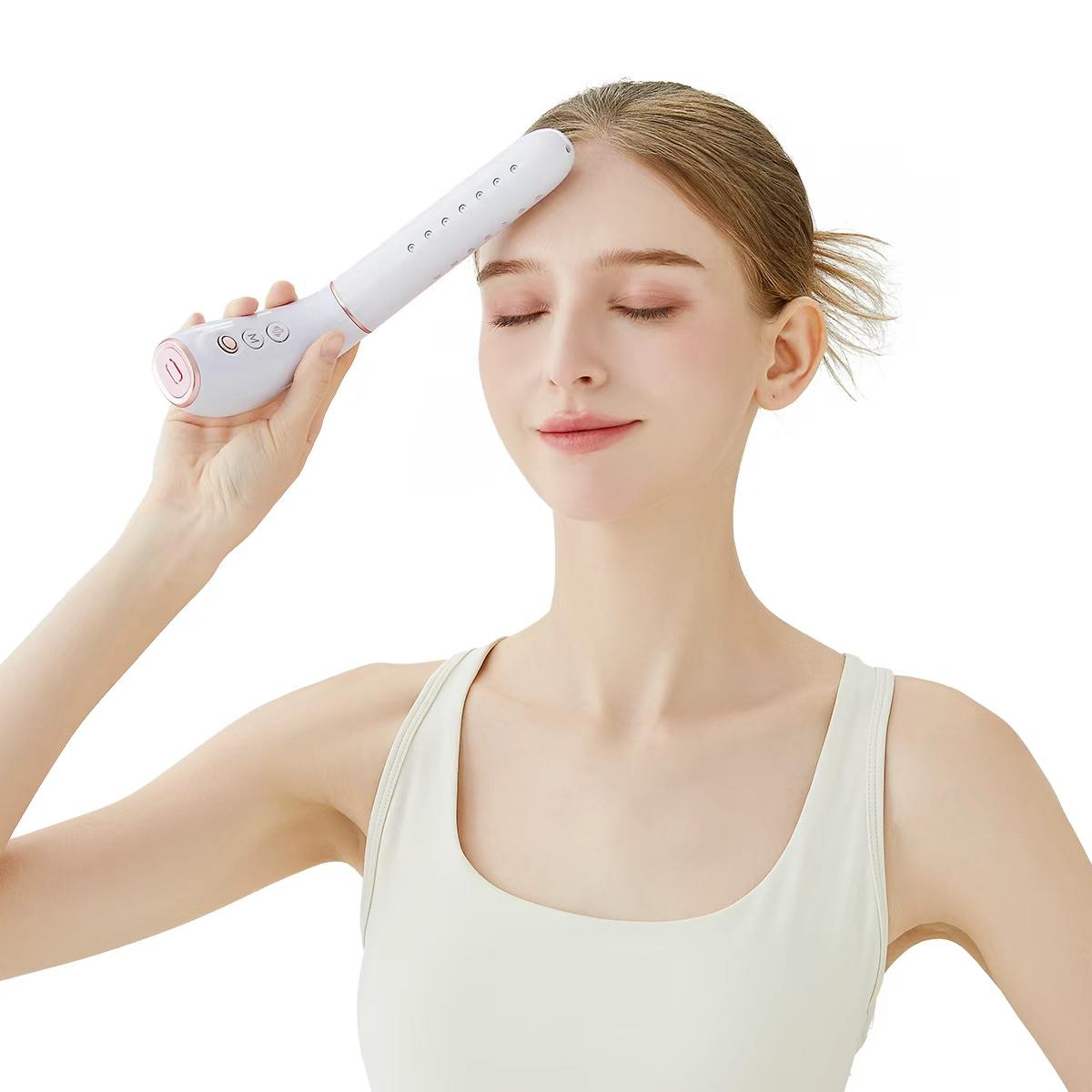
The lining of the vagina is one of the most dynamic tissues in the human body, constantly undergoing a cycle of shedding and rebuilding. Unlike skin, which takes roughly 28 days to turn over, the vaginal epithelium can renew itself in as little as 4 to 7 days under optimal hormonal conditions. This rapid regeneration is largely driven by estrogen, which stimulates the production of glycogen-rich cells that slough off and are replaced by fresh ones from the basal layer. Scientists have long noted that this process not only maintains tissue integrity but also supports a healthy microbial ecosystem, as the shed cells provide nutrients for beneficial lactobacilli.
What’s particularly fascinating is how the renewal rate shifts across different life stages. During reproductive years, estrogen keeps the epithelial layers thick and well-hydrated, with a brisk turnover that minimizes microtears and infections. After menopause, however, declining hormone levels slow this process dramatically, leading to thinning, dryness, and a less resilient tissue structure. Research using cell markers has revealed that the stem cells in the basal layer remain present but become less active, suggesting that the tissue retains a latent capacity for regeneration if hormonal support is restored.
Beyond hormones, emerging studies are exploring how factors like mechanical stimulation, pH balance, and even the local immune response influence renewal. For instance, mechanical pressure from physical activity or intercourse appears to signal the tissue to ramp up production of new cells, while a stable acidic environment helps preserve the progenitor cells needed for long-term repair. These nuanced insights challenge older assumptions that vaginal aging is an irreversible process, pointing instead to a complex interplay that can be influenced by both internal and external signals.
Determining If the Procedure Aligns with Your Needs
Before you even book a consultation, get honest with yourself about why you're drawn to this specific procedure. Is it something you've quietly wanted for years, or did you start considering it after comparing your body to what you see on social media? Try stepping away from the noise and picture the outcome as a sense of relief or freedom, not just a different body part. Your best results will hinge on how steady your emotional core is—not on chasing a fleeting ideal. If the answer feels grounded and personal, you're on the right track.
Now look at the logistical side: time off, finances, and the reality of recovery. Can your lifestyle actually absorb the downtime without unraveling your mental health? A procedure that demands weeks of reduced activity might clash with a job you love or the ways you blow off steam. Beyond that, notice how you feel when you talk to potential surgeons. If you're politely nodding along while your gut is quietly waving red flags, don't dismiss that. The right fit should leave you feeling heard and surprisingly calm, not like you're being sold a fairy tale.
Demystifying the Treatment Experience
Walking into a therapist's office for the first time often comes with a mental snapshot borrowed from movies or secondhand stories — a silent, note-taking figure, a chaise lounge, maybe a dramatic breakthrough. The reality is far less theatrical and much more human. Treatment is simply a structured conversation, guided by someone who knows how to listen for the patterns you might miss. There’s no hidden agenda, no secret code, just a space where your own thoughts are reflected back with enough clarity to start making sense of them.
Much of the mystery melts away when you understand that therapy isn't about being "fixed" by an expert, but about building a toolkit together. Early sessions often focus on mapping out what brings you in — not with rigid questionnaires, but through open-ended exploration. You set the pace, and the therapist follows your lead, offering insights or gentle challenges only when you're ready. The power dynamic is flatter than most expect; decisions about what to tackle or when to pause are collaborative, not prescriptive.
The most surprising part for many is how practical the work becomes. It's not just lying back and tracing childhood memories; it's learning to notice the tightness in your chest before a panic attack, or rehearsing a difficult conversation until the words feel less sharp. Progress often shows up in small, concrete shifts — sleeping a little better, pausing before reacting, recognizing a familiar spiral and stepping out of it faster. Once the process is demystified, treatment feels less like a mysterious ritual and more like a manageable, deeply personal skill you build over time.
Little-Known Aftercare Habits That Make a Difference
Many people underestimate the power of a consistent, mindful wind-down routine after a major event or strenuous activity. Instead of immediately crashing, try spending ten minutes gently stretching the muscles you used most, which helps prevent stiffness and promotes recovery. Pair this with slow, diaphragmatic breathing to signal your nervous system that it’s time to rest. This simple combination can drastically improve how you feel the next morning.
Hydration is often mentioned, but timing matters just as much. Sipping water with a pinch of sea salt and a squeeze of lemon within the first thirty minutes can replenish electrolytes that plain water misses. Avoid chugging; small, frequent sips allow your body to absorb fluids more effectively and reduce the risk of bloating. This small adjustment turns a basic habit into a targeted recovery tool.
Another overlooked practice is sensory calming. Dim the lights, put away screens, and surround yourself with a familiar scent, like lavender or cedarwood, through a diffuser or a simple balm. This engages your limbic system, lowering cortisol levels without any conscious effort. Integrating even one of these gentle rituals can shift your aftercare from a forgotten chore to a restorative anchor in your routine.
Realistic Timelines and Lasting Changes
Real change never happens overnight. It’s tempting to believe in quick fixes and dramatic transformations, but actual progress almost always unfolds at a pace that feels slow, even invisible at times. Expecting immediate results only leads to frustration and burnout. Instead, embracing a more realistic timeline allows space for learning, setbacks, and genuine growth. The most meaningful shifts happen over weeks and months, not hours.
Lasting changes are built from small, consistent actions rather than grand gestures. A single workout doesn’t redefine your health, just as one honest conversation doesn’t instantly repair a relationship. What matters is showing up again and again, even when the initial motivation fades. These repeated efforts compound quietly, eventually forming new patterns that feel natural rather than forced. The key is to stop measuring progress day by day and start trusting the process.
Sustainability is where many efforts fall apart. Too often, people push themselves toward a goal without planning for how to maintain it afterward. Lasting change requires integrating new behaviors into everyday life in a way that doesn’t rely on constant willpower. It’s about designing an environment and routines that support the person you’re becoming, so the change isn’t just a phase—it’s who you are now. When the timeline feels forgiving and the approach is patient, transformation sticks.
FAQ
It’s an advanced, non-surgical laser technology designed to address intimate concerns by gently heating tissue to stimulate collagen remodeling and improve tightness, lubrication, and overall vaginal health. The device uses a specialized wavelength and precise delivery system that offers a more comfortable experience compared to earlier lasers.
Traditional approaches often involved surgery or older CO2 lasers that could be more aggressive, with longer recovery and greater discomfort. This new laser type uses a fractionated pattern and optimized energy settings, which gently treat the vaginal wall without significant downtime or pain, and it better preserves surrounding tissue.
It’s effective for stress urinary incontinence, vaginal laxity, dryness, recurrent infections, and mild discomfort during intercourse. It also helps with issues linked to childbirth or hormonal changes, such as menopause-related atrophic vaginitis.
A small, specially designed probe is inserted into the vagina. The laser delivers controlled energy in a quick, virtually painless session, usually lasting less than 30 minutes. No anesthesia is needed, and you can resume daily activities immediately, though vigorous exercise might be restricted for a day or two.
Many notice improved tightness and moisture within a few weeks, with full collagen remodeling occurring over several months. Results are progressive and can last a year or more, depending on lifestyle and age. Most patients report a meaningful difference after 2–3 sessions.
A typical plan includes 2–3 sessions spaced about a month apart, but this varies based on the condition being treated and how your body responds. Some maintenance might be suggested annually to sustain the benefits.
Side effects are minimal—mild warmth or slight redness may occur but fade within hours. Infection or scarring is extremely rare when performed correctly. There’s no real downtime, though you’ll likely be advised to avoid intercourse and tampon use for a few days post-treatment.
Conclusion
The newest vaginal rejuvenation lasers offer a dramatically different experience compared to outdated surgical or fully ablative methods. By emitting fractionated energy beneath the mucosal surface, they trigger natural repair without wounding delicate external tissue. Peer-reviewed studies confirm this process awakens fibroblasts, leading to denser collagen networks and improved elastin—translating into better lubrication, snugness, and resilience. It’s a gentler path with no cutting, no bleeding, and recovery measured in hours, not weeks. Deciding if this fits your needs starts with recognizing how symptoms like laxity after childbirth, persistent dryness, or light bladder leaks affect your daily life. The typical candidate isn’t chasing an unrealistic ideal but seeking to restore a sense of normalcy. The actual treatment feels mild—most women liken it to a quick, warm massage—and within minutes you’re back to your routine.
Post-treatment care isn’t complicated, but a few offbeat habits can optimize healing: drinking more water than usual, wearing loose cotton underwear, and even avoiding strenuous core workouts for a short while. You’ll likely be advised to abstain from intercourse for three to five days, a small window that allows the initial regenerative spark to catch hold. Early plumping and comfort may appear soon, but the real transformation unfolds over three to six months as collagen steadily remodels. Typically, a course of three sessions, each a month apart, sets the foundation. The durability of results—often lasting well over a year—depends on factors like hormonal balance, lifestyle, and whether you keep up with simple pelvic floor toning. Occasional touch-ups help maintain momentum. This isn’t about a quick overhaul; it’s a reset that works with your body’s pace, offering improvements that feel both subtle and deeply personal.
Contact Us
Contact Person: Leon Yi
Email: [email protected]
Tel/WhatsApp: +86 17363316873
Website: https://zzgt.en.alibaba.com/