

Precision Rolling Mills Solutions: Enhancing Metal Production Efficiency
2026-02-11
In the dynamic world of metal production, efficiency and precision are not just goals—they are the very foundation of success. As industries evolve, the demand for advanced solutions that streamline processes and enhance output has never been greater. Enter GRM, a leader in innovative rolling mill technologies. At GRM, we specialize in precision rolling mill solutions designed to transform your operations, reduce waste, and boost productivity. This blog delves into how our cutting-edge approaches are revolutionizing metal production, offering insights that could reshape your business strategy. Stay tuned to discover the secrets behind achieving peak efficiency and staying ahead in a competitive market—where every detail matters.
How AI-driven Control Systems Transform Metal Quality in Rolling Mills
In the bustling world of rolling mills, where raw metal is shaped into precision products, AI-driven control systems are quietly revolutionizing quality. Unlike traditional methods that rely on static algorithms and manual adjustments, these intelligent systems continuously learn from real-time data, analyzing variables like temperature, pressure, and material composition. This dynamic approach allows them to predict and correct imperfections on the fly, ensuring every sheet, bar, or coil meets exacting standards without the lag of human intervention.
This transformation hinges on the synergy between machine learning models and advanced sensors embedded throughout the production line. By processing vast amounts of data, AI systems can detect subtle patterns that escape human oversight, such as micro-variations in thickness or surface defects. In practice, this means mills can achieve unprecedented consistency, reducing scrap rates and enhancing material properties like ductility and strength, all while adapting to changing raw material inputs seamlessly.
Ultimately, the impact extends beyond mere efficiency; it's about unlocking new possibilities in metal fabrication. As AI systems evolve, they enable mills to produce specialized alloys and complex geometries with ease, pushing the boundaries of what's possible in industries from automotive to construction. By integrating these technologies, rolling mills are not just maintaining quality but actively shaping the future of manufacturing.
Integrating Real-time Monitoring for Reduced Downtime in Rolling Operations
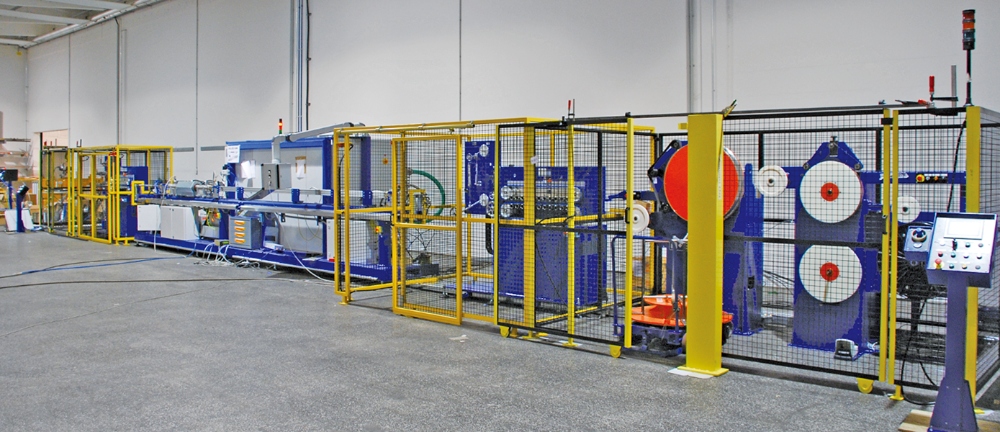
In rolling operations, every second of unplanned downtime can translate into significant financial losses and production bottlenecks. Integrating real-time monitoring systems directly addresses this challenge by providing operators with instant visibility into critical parameters like temperature, pressure, and material flow. These systems leverage sensors and IoT devices to continuously collect data, allowing for immediate detection of anomalies that could signal equipment stress or potential failures. By catching issues as they emerge, teams can shift from reactive repairs to proactive maintenance, slashing downtime while enhancing overall process reliability.
What sets effective real-time monitoring apart is its ability to transform raw data into actionable insights through advanced analytics and machine learning. Instead of just alerting operators to deviations, these systems can predict trends and recommend specific interventions—like adjusting roll speeds or scheduling component replacements before a breakdown occurs. This predictive capability not only minimizes disruptions but also optimizes resource allocation, ensuring that maintenance efforts are targeted where they'll have the greatest impact on uptime and operational efficiency.
Beyond immediate fault detection, integrating such monitoring fosters a culture of continuous improvement in rolling facilities. By analyzing historical performance data alongside real-time feeds, managers can identify patterns that lead to inefficiencies, such as recurring mechanical wear or suboptimal material handling. This long-term perspective enables fine-tuning of processes and equipment settings, gradually reducing the frequency and duration of downtime events. Ultimately, a well-implemented real-time monitoring strategy doesn't just cut downtime; it builds a more resilient, data-driven operation that adapts swiftly to changing demands and maintains peak productivity.
Customized Cooling Systems: Tailoring Solutions to Specific Metal Alloys
Cooling processes in metal manufacturing aren't a one-size-fits-all affair. When dealing with diverse alloys like stainless steel, aluminum, or titanium, standard cooling methods often fall short, leading to issues like residual stresses, warping, or inconsistent material properties. Customized cooling systems step in by precisely adjusting parameters such as temperature gradients, cooling rates, and media selection to match the unique thermal properties of each alloy. For instance, a rapid quench might work for hardening certain steels, but it could crack more brittle alloys, necessitating a gentler, controlled approach.
What sets these tailored solutions apart is their adaptability to specific production goals. By integrating advanced sensors and real-time monitoring, these systems can dynamically respond to variations in alloy composition or part geometry, ensuring uniform cooling and enhanced product integrity. This isn't just about avoiding defects; it's about optimizing performance, whether that means increasing a component's fatigue resistance in aerospace applications or improving corrosion resistance in marine environments.
Ultimately, the shift toward customized cooling reflects a broader trend in precision manufacturing, where understanding the nuances of material science drives innovation. By focusing on the specific needs of each alloy, manufacturers can achieve superior results, reduce waste, and unlock new possibilities in high-performance metal fabrication, making every project a testament to thoughtful engineering rather than generic processing.
Energy-efficient Technologies That Slash Costs in Precision Rolling
For businesses looking to cut operational expenses, adopting energy-efficient technologies in precision rolling is a game-changer. By integrating advanced systems like regenerative drives and smart sensors, facilities can reduce power consumption by up to 30%, translating into substantial savings on utility bills. These innovations not only optimize energy use during peak production but also minimize waste, making the rolling process both economical and environmentally friendly.
One standout approach involves the use of adaptive control algorithms that adjust machinery in real-time based on material properties and production demands. This dynamic adjustment prevents energy spikes and ensures consistent performance without compromising output quality. Companies leveraging these technologies often report faster payback periods, as the initial investment is quickly offset by reduced energy costs and lower maintenance needs.
Beyond direct energy savings, these technologies enhance overall equipment efficiency, leading to fewer downtimes and extended machinery lifespan. By focusing on precision and reliability, businesses can achieve a competitive edge, turning energy management into a strategic advantage rather than just a cost center.
Innovative Lubrication Methods to Prolong Equipment Lifespan
Traditional lubrication approaches often struggle to keep pace with the demands of modern industrial equipment, which faces relentless cycles of stress and wear. In response, engineers and researchers are pioneering innovative methods that not only reduce friction but also actively enhance component longevity. These advanced techniques go beyond mere oil changes, incorporating smart systems, nanotechnology, and sustainable materials to create a proactive defense against degradation. By addressing lubrication as a dynamic, integrated process rather than a static maintenance task, these innovations are reshaping how industries manage equipment health and efficiency.
One standout example is the development of self-lubricating materials, such as those embedded with solid lubricants or microcapsules that release oil on demand. These materials can significantly reduce the need for frequent manual lubrication, especially in hard-to-reach or high-temperature environments. Additionally, IoT-enabled lubrication systems utilize sensors to monitor real-time conditions like viscosity, contamination, and temperature, allowing for predictive maintenance that prevents failures before they occur. This data-driven approach ensures that lubrication is applied precisely when and where it's needed, optimizing resource use and minimizing downtime.
Another frontier lies in eco-friendly lubricants derived from biodegradable sources, which not only extend equipment life but also align with sustainability goals. Coupled with advanced application methods like aerosol or electrostatic spraying, these solutions offer superior coverage and penetration into critical areas. As industries push for longer operational lifespans and reduced environmental impact, these innovative lubrication strategies are proving to be game-changers, transforming routine upkeep into a strategic advantage that boosts reliability and cuts long-term costs.
Data Analytics Tools for Proactive Maintenance and Production Planning
In today's competitive manufacturing landscape, leveraging data analytics tools has become essential for staying ahead. These tools empower teams to shift from reactive to proactive maintenance, identifying potential equipment failures before they occur and scheduling repairs during planned downtimes. This not only reduces costly unplanned stoppages but also extends the lifespan of machinery, ensuring smoother operations and minimizing disruptions to production schedules.
Beyond maintenance, data analytics plays a crucial role in optimizing production planning. By analyzing historical performance data and real-time inputs, these tools help forecast demand more accurately, adjust production volumes dynamically, and allocate resources efficiently. This leads to better inventory management, reduced waste, and enhanced agility in responding to market fluctuations, ultimately boosting productivity and profitability.
What sets modern analytics tools apart is their integration of advanced technologies like machine learning and IoT sensors, allowing for deeper insights and predictive capabilities. This holistic approach not only supports proactive decision-making but also fosters a culture of continuous improvement, where data-driven strategies become ingrained in every aspect of operations for sustained success.
FAQ
Precision rolling mills are advanced metalworking systems designed to produce extremely tight tolerances and superior surface finishes, unlike traditional mills that may have more variability. They use high-precision controls, such as automated gauge systems and temperature management, to enhance consistency in metal sheets, strips, or bars, making them crucial for industries like aerospace and automotive where exact specifications are vital.
By reducing material waste and downtime, precision rolling mills boost efficiency significantly. For example, they integrate real-time monitoring and adaptive controls to adjust rolling parameters on the fly, minimizing defects and rework. This leads to faster throughput and lower energy consumption compared to older mill technologies.
Modern systems often incorporate IoT sensors for predictive maintenance, AI-driven optimization algorithms, and advanced cooling systems to prevent thermal distortion. These technologies work together to ensure precise shaping and rolling, enhancing overall process reliability and output quality in metal production.
They're widely used in aerospace, automotive, and electronics sectors, where components require high dimensional accuracy and surface integrity. For instance, in aerospace, they help produce lightweight alloy sheets with consistent properties, improving safety and performance while cutting costs through reduced scrap rates.
Initial investment costs can be high, and integrating these systems with existing infrastructure may require skilled technicians and training. Additionally, maintaining the precision over time involves regular calibration and updates to software, which can pose operational hurdles if not planned properly.
By minimizing material waste and optimizing energy use, these mills support greener practices. For example, precise controls reduce the need for excess raw materials and lower carbon emissions per unit produced, aligning with industry trends toward more eco-friendly manufacturing processes.
Conclusion
Precision rolling mills are revolutionizing metal manufacturing by leveraging cutting-edge technologies to optimize production efficiency and material quality. AI-driven control systems play a pivotal role by autonomously adjusting rolling parameters in real-time, ensuring consistent metal properties and reducing defects. This integration with real-time monitoring tools minimizes downtime by predicting and addressing operational issues before they escalate. Complementing these advancements, customized cooling systems are tailored to specific metal alloys, enhancing microstructure control and mechanical performance. Together, these innovations create a seamless workflow that boosts output while maintaining stringent quality standards, positioning mills at the forefront of industrial competitiveness.
Beyond process optimization, precision rolling solutions focus on sustainability and longevity through energy-efficient technologies and innovative lubrication methods. Energy-saving systems, such as regenerative drives and optimized heating, significantly reduce operational costs and environmental impact. Advanced lubrication techniques not only prolong equipment lifespan by minimizing wear but also contribute to smoother operations. Furthermore, data analytics tools enable proactive maintenance and strategic production planning, analyzing historical and real-time data to forecast needs and prevent failures. By holistically addressing quality, downtime, customization, energy, maintenance, and equipment care, these solutions drive unparalleled efficiency, transforming metal production into a more reliable, cost-effective, and forward-thinking industry.
Contact Us
Contact Person: Rayna
Email: [email protected]
Tel/WhatsApp: 86 -173 1474 6343
Website: https://www.grmrollingmill.com/