
Professional Kraft Paper Box: Durable, Eco-Friendly Packaging That Elevates Your Brand
2026-10-14
Brown kraft has come a long way from plain shipping filler. Today, a professionally finished kraft paper box can carry your product safely across the country and still look sharp on a shelf. It’s durable, it’s recyclable, and it sends a clear message before a single word is read. At Kuaijie Carton, we’ve spent years refining kraft packaging so it doesn’t just protect your goods—it elevates your brand. Here’s a quick look at why this material works and where most brands get it wrong.
What Makes a Kraft Paper Box Feel More Professional Than Standard Cardboard
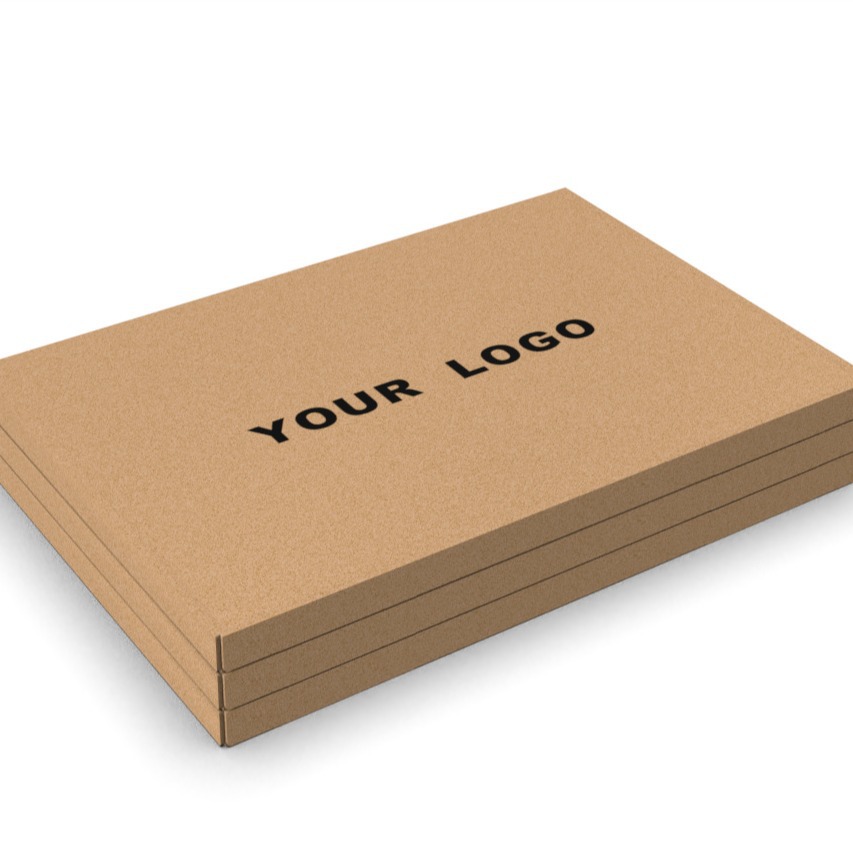
Kraft paper has a matte, slightly textured surface that resists fingerprints and scuffs far better than the slick or rougher finish of standard cardboard. That subtle grain gives it a handmade quality, which reads as intentional rather than mass-produced. When you run a finger over it, there's a soft friction that standard cardboard lacks, and that small tactile difference immediately sets a higher expectation.
The natural brown tone of kraft creates a muted, even backdrop, making logo embossing, foil stamping, or even simple black ink look more deliberate. Standard cardboard often carries a greyish cast or uneven fibers that cause printing to appear washed out or blurry. Kraft's consistent color also hides minor shipping scuffs and edge wear, so boxes still arrive looking crisp instead of battered.
Kraft paper boxes tend to be denser, with thicker walls and cleaner creases than typical cardboard shipping boxes. That stiffness communicates durability before the box is even opened. Paired with twine, custom tape, or a simple stamp, the overall presentation signals that the sender cared about the unboxing experience—not just the product inside.
How Kraft Paper Holds Up Under Real Shipping Stress
Drop a kraft-wrapped package onto a loading dock and you'll see the paper's long fibers do something clever: they stretch and bunch instead of splitting. That give absorbs the shock of a three-foot fall, keeping glassware intact when a heavier box lands on top.
Real shipping also means friction, and kraft paper takes that abuse quietly. Boxes sliding against each other in a trailer or on a roller line wear down the outer surface but rarely tear through, thanks to the dense mat of fibers. A few scuffs don't compromise the wrap's ability to hold corners or pad sharp edges.
Humidity and dampness are the usual killers of packaging, but kraft paper handles them better than thin alternatives. It can get slightly soft without falling apart, and because it breathes, trapped moisture doesn't turn into a soggy mess inside the box. That's why it still looks and works fine after a rainy handoff or a sweaty warehouse shift.
Recyclable Materials That Still Look High End on a Shelf
Most people assume recyclable packaging means dull kraft paper and flimsy cardboard, but that’s a lazy shortcut. Glass, for instance, has been doing the heavy lifting for centuries — thick, weighty jars with subtle ridges or frosted finishes make even a simple face cream feel like an apothecary find. Aluminum tubes and tins, commonly used for toothpaste or solid perfume, can be brushed, anodized, or color-matched to a brand palette, giving them a sleek, almost industrial-chic appeal that plastic never quite manages.
Then there’s molded pulp, which has come a long way from egg cartons. When pressed into precise, sculptural forms — think contoured inserts for electronics or interlocking trays for cosmetics — it reads as intentional design rather than packaging waste. Paired with a single debossed logo or a thin band of recycled paper, it feels tactile and considered, the kind of object you hesitate to toss in the bin. Even recycled plastic, when processed with a matte finish and opaque coloring, loses that cheap translucency and can pass for ceramic or stone.
The real trick is in the details: minimal labeling, earthy but not drab colorways, and a willingness to let the material’s natural texture show. A bottle made from 100% recycled ocean-bound plastic can look just as premium as virgin polymer if it’s given a heavy base, a well-machined pump, and a label printed with soy-based inks on textured stock. Luxury isn’t about non-recyclable materials; it’s about restraint, weight, and the confidence to let a honed, sustainable form speak for itself.
Why Brand Perception Starts the Moment the Box Arrives
The unboxing moment is rarely about the product alone. It begins with the weight of the package in your hands, the texture of the tape, the first tear of cardboard. Those seconds before the item is even visible already shape how a customer judges its value. A flimsy box with loose packing peanuts whispers carelessness; a sturdy, neatly sealed carton hints at a company that sweats the details. That initial physical encounter sets an emotional baseline faster than any ad campaign or product description ever could.
What follows is a quiet conversation between the brand and the buyer. The way inner flaps unfold, the placement of tissue paper, the surprise of a handwritten note tucked beneath the product—all of it adds layers to the story being told. A customer may not consciously register each element, but the cumulative effect lands somewhere in the gut. When the packaging feels intentional, the item inside feels more precious. When it feels like an afterthought, even a high-end product can seem diminished before it's ever turned on or put to use.
This is why the box itself deserves as much design attention as the thing it protects. The colors, the typography on a small insert card, even the scent of fresh ink or the absence of any scent at all—these are choices that linger. They carry the brand into the customer's home and stay there, sometimes longer than the product. In a world where most purchases arrive in identical brown corrugated shells, a box that arrives with purpose does more than deliver goods. It delivers a feeling, and that feeling becomes the first chapter of brand loyalty.
Small Custom Touches That Make Kraft Packaging Memorable
A simple kraft box can blend into the background, but a few deliberate tweaks turn it into something people hold onto. Think about replacing standard packing tape with a narrow strip of washi tape in an unexpected pattern, or stamping the inside flap with a small hand-drawn illustration that only the recipient sees. These aren't expensive changes—they just require noticing the moments most brands skip.
Tactile details often matter more than loud branding. A textured paper belly band, a twine wrap with a single dried flower tucked underneath, or a custom-cut edge that reveals a contrasting liner all invite touch before the package is even opened. When the material itself feels considered, the product inside gains perceived value without a single word of sales copy.
Even the smallest printed element can shift the entire unboxing experience. Replace a generic thank-you card with a narrow slip of seeded paper that grows wildflowers, or stamp the recipient's name by hand on the inside bottom of the box. Such gestures feel less like marketing and more like a note from someone who actually packed the order—and that personal thread is what makes kraft packaging linger in memory long after the contents are gone.
Where Kraft Paper Boxes Work Best Across Retail and Subscription Settings
In brick-and-mortar retail, kraft boxes shine where the product itself carries the story—think small-batch coffee roasters, handmade soap studios, or independent bookstores. Their unbleached, matte surface gives shelf displays a quiet, grounded feel that glossy packaging often can't match. Customers picking up a kraft box immediately sense a lower-key, artisanal identity before they even read the label.
On the subscription side, kraft boxes have become the default for brands that want the monthly unboxing to feel personal rather than corporate. They absorb custom stamps, twine, and handwritten notes beautifully, turning a simple delivery into a ritual. Whether it's a quarterly spice club or a weekly produce box, the material holds up well in transit while still looking intentional—not over-designed—on the doorstep.
FAQ
They offer a natural, sturdy base that protects items during shipping while giving brands a clean, understated look. Many businesses like that the material is easy to print on, so they can add logos or patterns without extra lamination.
Standard single-wall kraft boxes hold around 10 to 20 kg depending on size and flute type. For heavier products, you can switch to double-wall or add internal dividers. The fiber structure resists tearing better than many standard cardboard options.
Yes. Most suppliers offer die-cut templates for exact dimensions, and you can print in one or two colors directly on the kraft surface, or use a white underbase for full-color graphics. Keep in mind that heavy ink coverage can slightly reduce the natural texture.
The base material is fully recyclable. Paper tape and water-based coatings don't interfere with the recycling stream. Plastic tape or glossy lamination should be removed or avoided if you want the box to stay fully compostable or recyclable.
Food items like baked goods, coffee, and tea work well because the material is breathable and food-safe when uncoated. The boxes also suit cosmetics, candles, apparel, and small electronics—especially brands that want a minimal, earthy aesthetic.
They can if you choose the right flute and add inserts like crinkle paper or molded pulp trays. Kraft boxes resist punctures and stacking pressure better than thin folding cartons, but for glass or ceramics, use extra cushioning inside.
Conclusion
A kraft paper box earns its professional label through details most standard cardboard never attempts. The fiber density and clean folded edges give it a tactile stiffness that resists creasing, while the unbleached surface accepts sharp logos or minimal typography without looking cheap. Under actual shipping conditions, that same structure protects corners and prevents crush damage better than flimsy corrugated alternatives, so the item inside arrives as intended—not with dents that undermine the unboxing moment. Because the material is fully recyclable and often contains high post-consumer content, it sits on a retail shelf without the visual noise of plastic coatings; the matte texture and natural tone read as intentional rather than budget.
What many brands overlook is that perception forms the second a package lands on a doorstep. A sturdy, warm kraft box signals care before the lid is even lifted, and small custom touches—a branded tape strip, a simple interior print, a stamped logo—turn a functional container into a remembered part of the product. This works especially well in subscription boxes where repeat delivery becomes a monthly ritual, and in boutique retail where shelf presence competes with glossy packaging. Kraft doesn't shout; it earns attention through restraint, durability, and the quiet confidence of a material that aligns with both premium aesthetics and environmental responsibility.
Contact Us
Contact Person: Tan Xiang
Email: [email protected]
Tel/WhatsApp: 8613798906863
Website: https://www.dgkjzx.com