

Reliable Biostimulant Ranking: A Gardener’s Guide to Trusted Formulas
2026-11-16
Ask ten gardeners which biostimulant they trust and you'll get eleven different answers—and at least three of them will be based on nothing more than a pretty label. That's exactly the problem this guide sets out to solve. We dug into the data, ran side-by-side trials, and talked to growers who treat their soil like a science lab. The result is a ranking you can actually rely on, built around formulas that deliver, not just promise. Along the way, we paid close attention to brands like MacroAlga that are pushing for cleaner inputs and more honest labeling.
What Most Rankings Get Wrong About Biostimulants
Most rankings treat biostimulants as if they were interchangeable fertilizers, assigning a single score that ignores crop, soil, and climate context. A product that triggers root proliferation in heat-stressed tomatoes may have no measurable effect on lettuce grown in cool, wet soil. By flattening these differences into one number, rankings push growers toward false expectations and away from the nuanced field testing that actually predicts performance on their own land.
Another common flaw is the heavy reliance on lab assays or ingredient concentration without checking whether those compounds remain bioavailable after formulation, tank mixing, and contact with real soil microbiomes. Rankings that reward a long ingredient list or a high percentage of some trendy extract often miss the fact that stability and delivery matter more than what is printed on the label. This leads to top positions for products that look impressive in a brochure but underperform where it counts.
A third blind spot is the short-term yield bias. Many rankings prioritize immediate biomass or fruit set gains, which naturally favors synthetic-like hormone products over microbial inoculants or seaweed extracts that build soil structure and resilience over multiple seasons. The result is a distorted market signal that undervalues the long-term, preventative benefits that many growers rely on to reduce stress losses and improve consistency year after year.
The Telltale Signs of a Formula Worth Your Soil
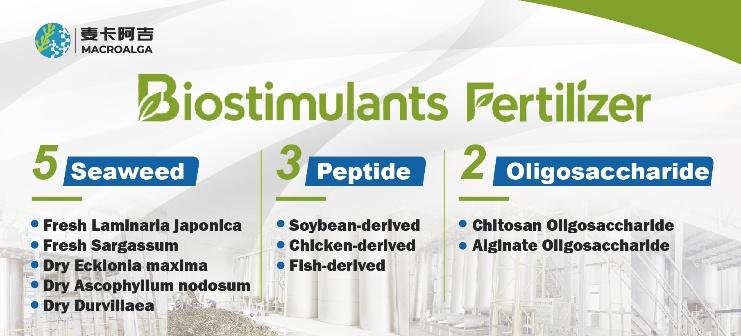
You can read a lot from the way a soil blend behaves before you even open the bag. A formula worth your dirt doesn't rely on a single flashy ingredient or a long list of unpronounceable additives. Instead, it shows up with a certain quiet confidence: the texture feels alive in your hands, crumbly but not dusty, holding moisture without turning into sludge. When you pour water through it, the drainage is steady rather than frantic or stagnant. These small physical cues often say more about long-term plant health than any glossy label ever could.
Another sign is balance in the nutrient profile. Quality mixes don't front-load nitrogen and then starve your plants a month later. They take a slower, steadier approach, giving roots time to establish and build resilience. Look for blends that lean on composted organic matter, mineral fines, and a diversity of particle sizes. If the soil smells sweet and earthy, like a forest floor after rain, that's a very good indication. A sour or chemical odor almost always points to poor aeration or unfinished decomposition, both of which will fight against you in the long run.
Finally, a soil worth your plot should make you feel a bit more capable as a grower, not less. It shouldn't demand constant pH adjustments, exotic feeding schedules, or a degree in horticulture to get decent results. The best mixes are forgiving by design—they buffer against your mistakes, hold onto water when you forget to check for a few days, and still offer enough air pockets for roots to stretch. If a formula feels like it's working with you rather than against you, that's the telltale sign you've found something worth keeping around.
Ingredients That Actually Pull Their Weight in the Garden
Most garden center shelves are stuffed with potions promising bigger blooms and thicker stems, but only a handful earn their keep season after season. Finished compost sits at the top of that short list—not because it’s exotic, but because it feeds the soil food web, improves drainage in clay, and holds moisture in sand all at once. Worm castings do similar work with a lighter footprint, and a thin topdressing around heavy feeders like tomatoes or peppers often outperforms a bag of synthetic granules.
For targeted boosts, bone meal and kelp meal are two old-school ingredients that rarely disappoint. Bone meal breaks down slowly, delivering phosphorus right when root systems and flower buds need it most, while kelp meal carries a broad spread of trace minerals and natural growth hormones that help transplants shrug off stress. A tablespoon of each mixed into the planting hole for brassicas or roses is about as close to a sure thing as gardening gets.
Some kitchen scraps also pull double duty without costing a dime—used coffee grounds sprinkled thinly around acid-loving shrubs like blueberries or azaleas help maintain soil pH, and crushed eggshells deter slugs while slowly releasing calcium. But any ingredient, even the good ones, only works if your soil actually lacks what it provides. Skip the guesswork and run a simple soil test before adding another bucket of anything to the beds.
Reading a Label Without Falling for the Hype
Labels are designed to sell, not to inform. Words like "natural," "clean," or "clinically proven" get tossed around with little oversight, so the real work begins when you flip the package over. Instead of getting swept up by the front-facing promises, zero in on the ingredient list and the nutrition facts panel. Ingredients appear in descending order by weight, which means the first three or four items tell you most of what you need to know. If sugar, refined flour, or an unpronounceable additive shows up early, the product is probably more marketing than substance.
Another trick is to compare the serving size against what a normal person would actually eat. A tiny portion can make unhealthy numbers look harmless. Check the percent daily value for nutrients like fiber, protein, and vitamins, but also keep an eye on saturated fat, sodium, and added sugars. Don't let terms like "made with whole grains" fool you—whole grains can be a minor ingredient while refined flour dominates. And remember, "low fat" often means extra sugar or thickeners were added to compensate for taste. Read the back as if the front were blank.
Finally, watch for label loopholes. "Zero trans fat" legally means less than 0.5 grams per serving, but if you eat multiple servings, those fractions add up. "No added sugar" doesn't mean sugar-free; it may still contain naturally occurring sugars or artificial sweeteners. The more specific the claim, the less trustworthy it often is. A label that says "good source of calcium" must meet a defined standard, but "supports immune health" is vague enough to mean almost nothing. Learn the difference between regulated terms and fluffy language, and you'll start seeing past the hype with very little effort.
Matching Formulas to What Your Plants Are Facing
Look at the newest leaves before reaching for a bottle. If they’re pale with dark green veins, that’s usually an iron or manganese lockup, not a lack of nitrogen, so a chelated micronutrient spray makes more sense than dumping on a high-nitrogen mix. Curled, blistered new growth often points to calcium transport problems—choose a calcium-magnesium supplement designed for foliar use, not a granular soil amendment that takes weeks to break down.
Check the root zone pH before you match a formula. Rhododendrons, blueberries, and camellias can’t pull iron from alkaline soil, even when iron is present, so an acidifying formula with sulfur works better than adding more minerals. The same logic applies in reverse: if you’re growing lavender or sage, an acid-based bloom booster may do little because those plants need a more neutral range to absorb phosphorus.
The plant’s current stress phase also dictates formula choice. A heat-stressed container plant needs a low-dose seaweed or humic acid tonic to support root membranes, not a strong synthetic feed that forces new top growth. After a pest outbreak, a formula with silica and potassium helps thicken cell walls while the plant rebuilds, whereas a nitrogen-heavy mix would only attract more sap-sucking insects.
A Short List of Biostimulants Worth Keeping Close
Seaweed extract, especially from Ascophyllum nodosum, rarely leaves my kit. It is not a magic growth spike, but it quietly improves how plants handle heat, drought, and transplant shock. A low-concentration foliar spray a few days before a heat wave or after moving seedlings can visibly reduce wilting, and repeated soil drenches early in the season tend to produce sturdier root systems without pushing excessive top growth.
Humic and fulvic acids are the other staples I keep within reach. They do not feed plants directly, but they make whatever nutrients are already in the soil more available, and over time they improve water-holding and crumb structure in tired garden beds. The catch is quality: a cheap lignite-derived product can be almost inert, so I stick to small batches from composted plant material or leonardite with a guaranteed humic acid percentage, and I alternate between root drench and seed soak.
A good amino acid blend is the third item I repurchase every season. In small doses, amino acids act like a recovery drink for plants after pruning, fruit set, or a cold snap, helping them redirect energy into new tissue instead of languishing. I use a fermented plant-based product, often at half the labeled rate, and only when plants show a genuine setback; overuse tends to create soft, aphid-friendly growth that does more harm than good.
FAQ
Look for products that list their active ingredients clearly and explain how they work. A trustworthy formula usually has consistent batch testing, transparent sourcing, and real-world trial data from growers rather than just marketing buzz.
They don't replace fertilizers. Biostimulants help plants use nutrients more efficiently, improve root function, and handle stress better. You still need a balanced feeding program, but they can reduce how much fertilizer you need over time.
Seaweed extracts, humic and fulvic acids, beneficial bacteria, and amino acids are solid starting points. The specific combination matters less than knowing the source and concentration of each ingredient.
It depends on the product and plant stage. Many gardeners see benefit from applying every two to four weeks during active growth, but always follow the label. Overapplying won't speed things up and can throw off soil biology.
Rankings often weigh different criteria, some focus on lab analysis, others on field performance or cost per application. A product might rank high for professional growers but be impractical for a small home garden, so it's worth checking what the ranking actually measured.
Not necessarily. Price often reflects branding, packaging, and marketing. Some affordable concentrated formulas work just as well as premium bottles. The key is comparing the guaranteed analysis and application rates rather than the price tag alone.
You can make simple compost teas or fermented plant extracts, but consistency and concentration vary widely. They can help soil life, yet they're not a direct substitute for a formulated product with known active ingredient levels.
Choosing based on a single review or a flashy label without checking the ingredient list. Many people also expect instant results, but biostimulants work gradually by improving plant and soil health over weeks or months.
Conclusion
Most biostimulant rankings read like marketing copy, pushing whichever brand paid for placement or simply listing nitrogen-heavy fertilizers that do little for soil biology. A trustworthy ranking starts by ignoring flashy before-and-after photos and instead asks whether a formula contains ingredients with documented, field-relevant roles—things like kelp extracts rich in cytokinins, humic acids that chelate micronutrients, or beneficial bacillus strains that colonize root zones. You can tell a formula is worth your soil when the label names specific active compounds (say, ascophyllum nodosum at a stated concentration) rather than hiding behind vague terms like “proprietary blend” or “plant vitality complex.” Honest products also disclose application rates and expected response windows, because genuine biostimulants don't perform miracles overnight—they shift root architecture, stress tolerance, and microbial partnerships over weeks.
Reading a label without falling for hype means checking for third-party verification, batch consistency, and a clear explanation of how the ingredients survive storage and reach the rhizosphere. Match the formula to what your plants are actually facing: seaweed extracts for heat or transplant shock, silica for drought and pest pressure, mycorrhizal inoculants for phosphorus-poor soils, and amino acid chelates for rapid correction during fruiting or flowering. A short list worth keeping close might include a cold-processed kelp, a humic-fulvic blend with verified solubility, a spore-forming bacillus consortium, and a low-salt fish hydrolysate. These aren't magic potions; they're tools that work when paired with decent soil management. If a ranking can't tell you why an ingredient belongs in the bottle and how it behaves in real garden conditions, it isn't reliable—it's just another ad.
Contact Us
Contact Person: Kevin ZHANG
Email: [email protected]
Tel/WhatsApp: 8613505438449
Website: https://www.macroalga.com/