

Reliable Cast-in-Place Formwork for Cement Houses: Finding the Right Solution
2026-07-22
Building a durable cement house starts with reliable cast-in-place formwork—but finding a solution that truly holds up can be a challenge. Whether you're tackling a residential project or a larger structure, the quality of your formwork shapes the entire outcome. That's why so many builders are rethinking their approach. One name worth knowing is LugongMachinery, whose systems are engineered to deliver precision without the usual headaches. Let's explore what makes the right formwork so critical and how you can avoid common pitfalls right from the start.
What Makes Cast-in-Place Formwork Truly Dependable for Modern Concrete Homes
Cast-in-place formwork thrives on its ability to adapt to unconventional architectural shapes. Whether a wall curves gently or angles sharply, the forms are built right there, following the exact dimensions of the plan. This direct shaping eliminates the compromises that come with prefabricated panels, giving the structure a seamless flow from foundation to roofline.
The real strength lies in how the concrete cures as a single monolithic mass. Unlike systems that rely on joints and connectors, a poured-in-place wall offers fewer weak points. This continuity resists lateral forces better, a crucial factor for homes in storm-prone or seismic zones. Pair that with a dense, low-porosity surface, and you have a shell that stands up to moisture and wear without constant upkeep.
On-site pouring also allows for a tighter integration of insulation and utilities within the wall itself. Builders can embed conduits and rigid foam before the pour, creating an envelope that’s inherently well-insulated. The result is a home that maintains comfortable temperatures with less energy, month after month.
Picking the Formwork System That Matches Your Project’s Scale and Complexity
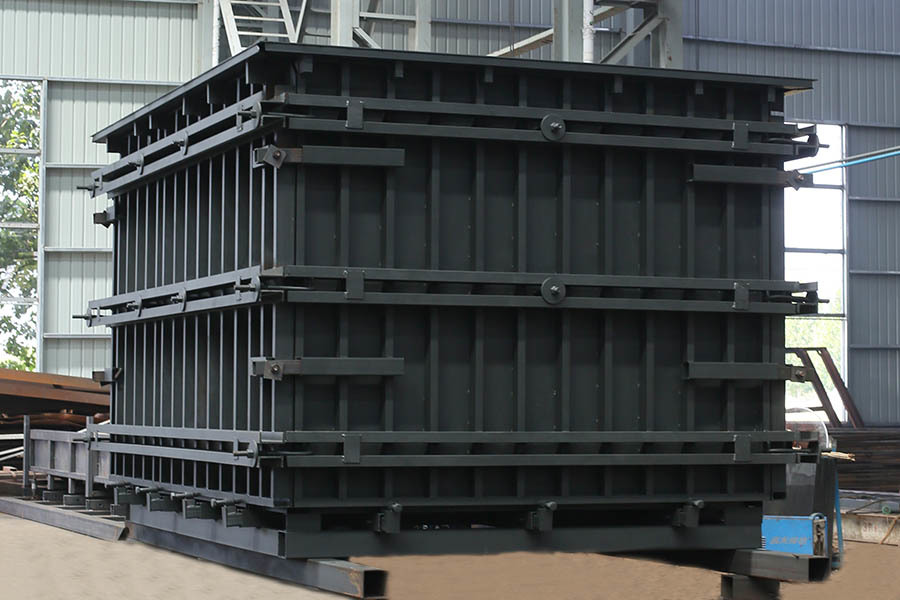
The sheer scale of a project often dictates the first filter in formwork selection. For sprawling, repetitive layouts like high-rise residential towers or extensive parking structures, self-climbing and modular panel systems offer a rhythm that manual assembly can't match. They cut down on crane time and labor cycles, turning weeks of work into days. Yet scale isn't just about height or footprint—it’s about repetition. If your structure has identical floor plates from level to level, a customized tunnel form or a table system might pay off in spades, allowing entire bays to be cast and moved quickly. On the flip side, smaller or one-off projects—a boutique hotel with irregular room sizes, a retrofitted commercial lobby—call for more adaptable setups. Traditional timber and plywood, or light aluminum beam systems, give you the freedom to shape odd angles and sudden setbacks without the burden of heavy investment.
Complexity is where geometry and site constraints collide. A formwork system that's brilliant for a straightforward slab can become a headache when beams, drop panels, and embedded services start accumulating. Shoring towers and falsework need to be precisely calibrated to handle the loads, especially in transfer structures where columns carry the weight of several floors above. Complex sites—those squeezed between neighboring buildings or riddled with sloping terrain—introduce another layer. Here, a flexible modular system with adjustable heights and minimal lifting requirements can weave around obstacles far more cleanly than a rigid steel framework. Don’t underestimate the chaos of a mixed-use development either: a podium with sprawling retail beneath a thin residential tower demands two distinct formwork strategies working in tandem, often a blend of crane-dependent systems for the tower and lighter, manually handled components for the cluttered low-rise.
Balancing cost and schedule with these variables is more art than science. An overspecified system can drain the budget on rentals and training, while an underpowered one invites delays and quality hiccups. Early conversations with formwork suppliers should map out the pour cycle targets, concrete pressure ratings, and the logistics of on-site handling. Sometimes the best match isn’t a single brand or technology but a clever hybridization—using aluminum gang forms for the core walls while opting for drop-head early-stripping systems for the slabs. The aim is a smooth rhythm where forms arrive, get set, and fly out with minimal rework. When the system syncs with your project’s pulse, the concrete almost seems to pour itself.
Installation Tricks That Save Time Without Sacrificing Wall Quality
Getting a smooth, professional finish on your walls doesn’t have to eat up your entire weekend. Start by prepping smarter, not harder—use a high-quality primer-tinted close to your topcoat color instead of applying multiple thick coats of paint. This alone cuts down on drying time and covera ge without compromising the final look. Also, invest in a good extension pole and an 18-inch roller frame; the wider coverage lets you finish a room in half the time while still maintaining an even, drip-free application.
Another trick is to back-roll as you go, especially when working with textured walls or ceilings. Rather than stopping and starting to fix uneven spots, keep a dry roller handy and lightly roll over freshly painted areas before they begin to set. This embeds the paint deeper into the surface, eliminates lap marks, and creates a uniform finish that looks like it took all day. For cutting in, ditch the shaky freehand approach and use a paint edger tool with a guide wheel—it speeds up detail work around trim and outlets without the painstaking taping process.
Finally, mind your environment. Keep a small bucket of water or a wet rag nearby to quickly wipe up splatters before they dry, avoiding messy cleanup and unsightly bumps later. If you’re working in multiple rooms, wrap your roller and brush tightly in plastic wrap between coats instead of washing them out each time. This keeps the paint fresh and your tools ready to go, saving minutes that add up over the course of a project. Little shortcuts like these trim hours off your schedule while still delivering walls that look meticulously done.
How the Right Formwork Cuts Overall Construction Costs in Surprising Ways
Many contractors focus solely on the upfront price of formwork, but that’s only part of the story. The right system slashes labor hours because crews can assemble and cycle it faster without constant adjustments. Less time on site means fewer wages, and when you’re running multiple pours a week, those savings compound in ways a cheap, clunky setup never delivers.
Material waste is another hidden drain. Precision-engineered panels and reusable components mean far fewer cut-offs, damaged plywood sheets, and last-minute hardware runs. On a mid-rise project, that can save thousands in materials alone, not to mention the avoided dump fees and the time nobody spends cleaning up the mess.
Then there’s the ripple effect on other trades. Well-matched formwork creates cleaner concrete surfaces that need minimal patching, so finishing crews move faster. MEP layouts snap into place without grinding or chipping, and the superintendent isn’t constantly re-sequencing because a wall is out of tolerance. The real surprise isn’t that good formwork saves money—it’s how many line items it quietly improves before the building even tops out.
Common Formwork Failures and How to Sidestep Them on Your Build
Formwork might seem like a temporary stage, but mistakes here can ripple through your entire project. One of the most sneaky culprits is inadequate bracing – it often starts with a slight lean that nobody notices until concrete starts flowing. Suddenly, you’ve got a bulging wall or, worse, a blowout that empties your budget as fast as the form empties its contents. The fix isn’t rocket science: double-check alignment before each pour and never underestimate wind loads on tall forms. Sometimes, a few extra screw jacks or cross braces are all that stand between a smooth finish and a costly disaster.
Then there’s the headache of surface defects caused by neglected form faces. Rushed crews often reuse plywood panels one too many times, ignoring swollen edges and chipped veneers that imprint directly onto your concrete. You end up with a patchwork of grain patterns, gouges, and shadow lines that eat up hours of patching later. A simple visual inspection before each use, coupled with a proper release agent, keeps the surface transfer minimal. And don’t overlook the joint seals – even a hairline gap between panels can create fins that scream “amateur hour” and require noisy grinding.
Another frequent trap is underestimating the pour pressure, especially with taller walls or columns. Fresh concrete acts like a heavy liquid, and without a realistic rate-of-pour calculation, your beautifully tied form can spring leaks or bow outward. Experienced builders know to test a small section first or use form ties and walers rated for full hydrostatic head. It’s a matter of pacing – slowing down the pour might add a couple hours, but it can prevent the panic of watching form hardware snap under stress. Smart teams also install extra inspection hatches to monitor concrete level and spot trouble before it becomes a permanent feature.
Keeping Your Formwork Investment Productive for Multiple Projects
Formwork isn't just a one-time purchase—it's a long-term asset that should earn its keep across project after project. To make that happen, treat your system less like disposable packaging and more like a precision tool. After each pour, do more than a quick wash-down. Inspect panel faces, edge profiles, and connection points for warping, pitting, or concrete buildup that gradual degradation invites tolerance drift. A small ding ignored today becomes a 3‑mm gap tomorrow, and that gap compounds across every reuse, silently eroding both finish quality and the number of cycles you'll extract.
Beyond cleaning routines, get intentional about storage. Stacking panels directly on dirt or leaving them exposed to rain and sun accelerates deterioration in ways that aren't obvious until the next setup. Instead, designate a clean, level staging area—whether at the yard or on-site—where components can be sorted by type and condition. Use spacing strips between panels to let air circulate, and keep steel accessories lightly oiled. This minor discipline prevents rust blooms, swollen edges, and the kind of damage that makes crews dread opening a shutter set.
Finally, don't treat repair decisions as an afterthought. Rather than working a damaged panel into a far corner hoping no one will notice, set a clear threshold for refurbishment before the component leaves the cycle. Train crews to flag issues early, and build time into the project rhythm for quick face‑sheet replacement or re-welding. When you normalize that care, the formwork becomes more predictable—and that predictability is what turns a capital expense into a reliable, multi‑project workhorse that outperforms cheap rental alternatives every time.
FAQ
Cast-in-place formwork is a technique where concrete is poured into temporary molds on the building site, rather than using precast panels. It's particularly suited for cement houses because it creates monolithic, seamless structures that resist water, wind, and seismic forces better than many traditional methods. Plus, it gives architects more freedom to shape walls, curves, and openings.
The main perks are structural integrity and long-term durability. A dependable formwork system ensures consistent wall thickness, reduces honeycombing, and minimizes labor rework. For cement houses, this means fewer cracks, better insulation when combined with appropriate liners, and a faster construction timeline since you can reuse the forms multiple times on the same project.
Start by assessing your project’s scale, repetition, and budget. For single-family homes, lightweight panel systems with simple wedge locks might be ideal. Larger developments benefit from modular, gang forms that can be crane-lifted. Also, consider whether you need the forms to accommodate electrical conduits and plumbing without damaging them. Always request load-bearing data and case studies from suppliers.
Plywood, steel, aluminum, and plastic composites are the main players. Plywood faced with phenolic film is popular for small to mid-sized homes because it's cost-effective and gives a smooth finish. Steel and aluminum are more durable and better for high repetition, but they're heavier and pricier upfront. Plastic forms with interlocking designs are gaining ground for their light weight and no-stick properties.
Misalignment, bulging, and formwork leaks are typical headaches. To prevent them, always double-check bracing and ties before pouring, use consistent concrete placements rates to avoid pressure spikes, and have a watchful eye during vibration. Using form liners can also reduce surface defects. Training your crew on the specific system is non-negotiable—even the best formwork fails if installed incorrectly.
Absolutely. Most quality formwork is designed for dozens of reuses. After each pour, clean it thoroughly with non-damaging scrapers and store it flat to prevent warping. Apply a release agent before the next use. Inspect for dents or cracks regularly, especially in steel panels, and replace worn parts promptly. Good maintenance can triple the lifespan of your formwork.
Initial costs range widely depending on material and system complexity—plywood setups might run a few thousand dollars for a small house, while modular metal systems can hit tens of thousands. But the real metric is cost per pour. A reliable system that lasts 100 reuses brings the per-square-foot cost way down compared to disposable forms. Factor in labor savings: faster assembly and minimal patching translate to lower overall project expenses.
Yes, stay-on formworks that double as insulation or finished surfaces are becoming more available for cement houses. Some companies now offer adjustable plastic formworks that snap together without tools. There’s also a push toward formwork-integrated sensor systems that monitor concrete curing in real time, helping you strip forms at the exact right moment to avoid cracks while speeding up cycles.
Conclusion
Finding cast-in-place formwork that truly holds up under the demands of modern cement house construction starts with understanding what makes a system dependable. It’s not just about strength on paper—it’s the marriage of precision engineering and on-site practicality. You need panels that resist warping under wet concrete’s weight, connections that stay tight pour after pour, and a design forgiving enough to adapt to architectural curves without leaks. A reliable system also simplifies alignment: think integrated leveling features that cut setup time while guaranteeing plumb walls. The best formwork doesn’t demand a crew of specialists; it’s intuitive, with clear locking mechanisms that prevent costly missteps. That dependability translates directly to wall quality—smooth surfaces that need minimal patching, consistent thickness, and structural integrity that lets you sleep at night.
Cost surprises often come from where you least expect them. A rigid, modular system might seem pricey upfront, but it eliminates the hidden drain of constant adjustment and material waste on site. When forms can be struck and reassembled quickly, labor hours shrink dramatically. Plus, precision means less concrete overspill and fewer callbacks for surface defects. Over multiple projects, the investment pays for itself if you treat the equipment right. That means smart storage, routine cleaning, and swapping out worn components before they cause trouble. Avoiding common pitfalls—like inadequate bracing or rushed stripping—keeps your project on track. Ultimately, the right solution isn’t one-size-fits-all; it’s about matching the system’s scale and complexity to your build, then leveraging simple tricks to maintain quality and speed. Choose formwork that scales with your ambitions, not against them.
Contact Us
Contact Person: Zhang Zhenlai
Email: [email protected]
Tel/WhatsApp: 8618563210000
Website: https://en.lugongmachinery.com/