

Rubber Machinery Vendor Questions to Ask Before Signing a Contract
2026-11-16
Rubber machinery contracts can lock you into years of service, spare parts, and performance expectations—so the questions you ask before signing matter more than the price on the quote. At AUGU AUTOMATION, we've helped buyers avoid expensive surprises by focusing on what's not in the brochure. Here's a practical checklist to bring to your next vendor meeting.
Will the supplier commit to realistic output rates without overpromising?
A supplier’s willingness to pin down realistic output rates says a lot about how they operate. Overpromising often stems from sales pressure or a lack of real production data, and it almost always leads to missed deadlines, rushed quality checks, or hidden overtime costs later. A dependable partner will walk you through their current line capacity, typical yield rates, and the variables that could slow things down, instead of just quoting the best-case number.
During vetting, pay attention to how they handle the question. Do they give a single impressive figure without asking about your specs, order volume, or quality tolerances? Or do they want to run a small pilot batch first? Suppliers that commit to realistic rates will usually show historical logs, mention past bottlenecks, and even flag weeks when output might dip due to maintenance or material lead times. That kind of honesty is worth more than a bold promise.
Once you move toward an agreement, ask for output rate commitments to be tied to measurable milestones rather than vague assurances. A supplier that agrees to a gradual ramp-up schedule, with check-ins after the first few production runs, is showing they understand their own limits. If they resist any form of performance tracking or refuse to discuss what happens when targets are missed, that’s a red flag — reliable output is built on planning, not enthusiasm.
Who covers freight, rigging, and installation costs when the line arrives?
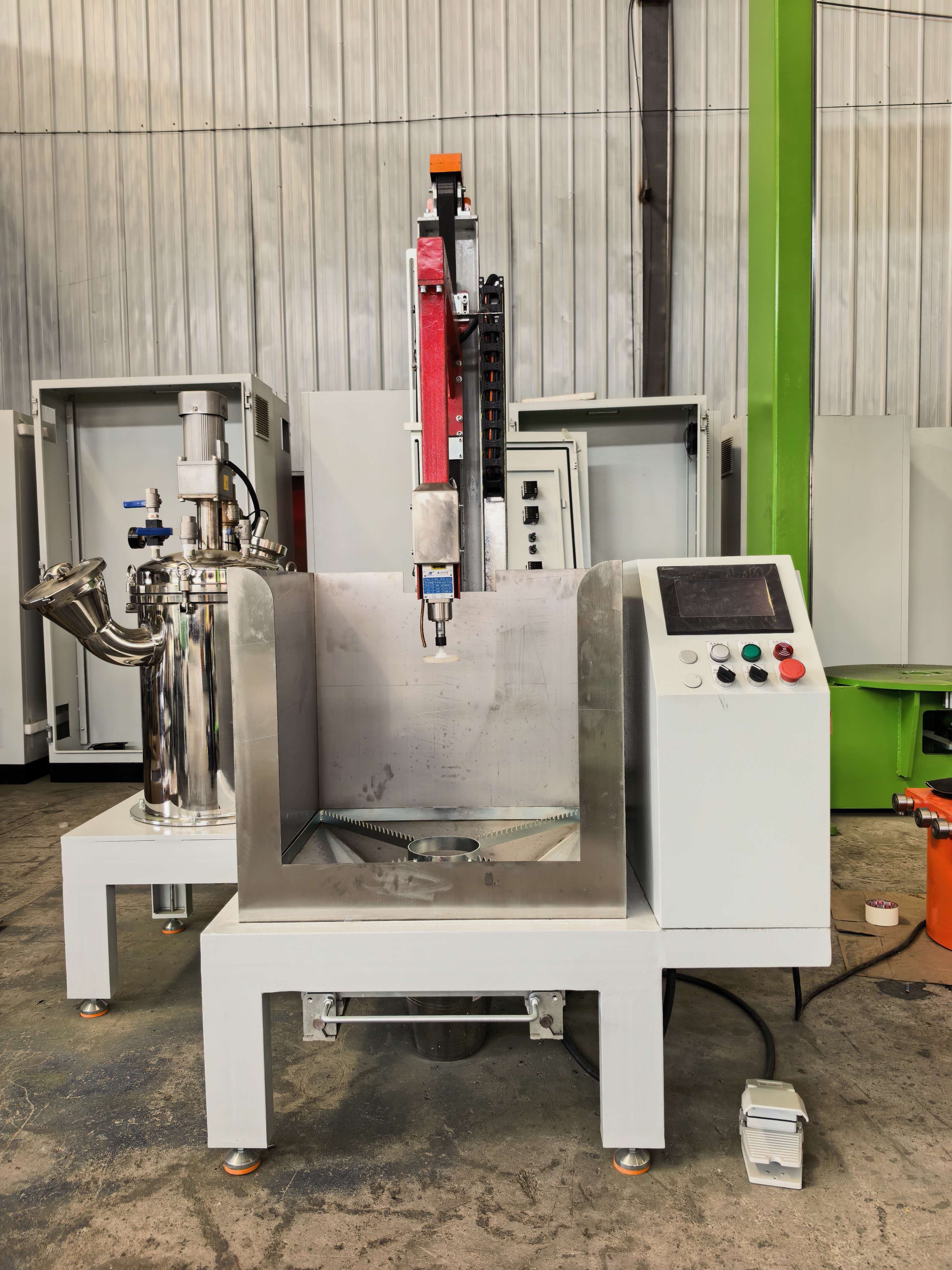
When the line arrives, there's no single answer to who pays for freight, rigging, and installation—it all depends on what was negotiated before the order was placed. Many equipment sellers include freight to your dock or the nearest port in their quoted price, but unloading the machine from the truck, moving it into position, and anchoring it (the rigging part) often defaults to the buyer unless you specifically asked for it. Electrical hookups, leveling, air and water connections, and control system commissioning are typically not bundled either; they're handled as a separate scope by your own maintenance team or a local contractor. The real clue is in the purchase order or sales contract: terms like DAP, DDP, FOB, or EXW shift both cost and risk in different directions, so reading that line carefully is worth the time.
If you'd rather avoid a dockside argument about unexpected bills, ask for a turnkey or installed quote before signing. That bundles freight, rigging, and installation into one number, which makes budgeting cleaner and gives you a single point of responsibility—but expect the seller to add a margin for managing those services. The alternative is hiring local riggers and electricians yourself, which often costs less and gives you more control over scheduling, though you'll need to coordinate multiple crews and absorb any surprises like uneven floors or tight access. And remember: “freight included” on a quote does not mean someone will hoist the machine off the truck and set it in place for free. Those are separate line items more often than not, and asking about them early can prevent a costly misunderstanding at your receiving dock.
What exactly does the warranty exclude, and how fast are emergency repairs handled?
The warranty doesn't cover damage from normal wear and tear, accidental drops, spills, or any modifications made by someone other than our certified technicians. Consumable parts like filters, belts, and light bulbs are also excluded unless they fail due to a manufacturing defect. If you've used third-party components or tried a DIY fix, that voids the coverage for the affected system.
For emergency repairs, we have a dedicated hotline that's staffed around the clock. In most urban areas, a technician can reach your site within four hours of your call. Rural or remote locations may take up to twelve hours. After assessing the issue, we often install a temporary workaround to keep your operation running until the permanent fix is completed, usually within one to two business days.
Keep in mind that emergency response times can stretch during extreme weather events or regional disasters when demand spikes. In those cases, we prioritize customers with safety-critical failures or complete system outages over those with partial functionality.
Can they provide reference sites running the same compound or product mix?
A supplier that stands behind its formulations will usually have no trouble pointing you toward a few operating sites already using the same compound or a closely matched product mix. Ask for specifics rather than vague assurances. You want to know what equipment those sites are running, how long they have been using the material, and whether the results match what you are aiming to achieve. A steady track record at a comparable facility tells you more than any data sheet.
If a vendor hesitates or gives you only heavily redacted case studies, dig deeper. Some operations are understandably confidential, but a decent supplier can still share enough operational detail to show the chemistry works outside a lab. Request a short call with the site engineer or a visit if feasible. Hearing how they handle mixing, dosing, or cleanup from someone dealing with it daily can expose issues you would otherwise discover too late. Silence on this front is often the first sign of a product with no real-world footing.
Are control system upgrades and spare parts still available for older models?
Many plants still run on legacy controllers that vendors formally discontinued a decade or more ago, but that rarely means the hardware has become unsupportable. Independent rebuild shops and authorized service partners keep stocks of tested boards, power supplies, and I/O modules for the most common older lines, and some even offer exchange programs where you send in a failed unit and receive a refurbished one with a fresh warranty. For less common parts, brokers and surplus networks are often the only realistic source, so it pays to verify revision numbers and firmware compatibility before buying.
Upgrades tend to follow two paths: a like-for-like replacement that preserves the existing field wiring and logic, or a phased migration to a current platform using gateway modules and protocol converters. The first option keeps downtime low but extends dependence on aging components; the second costs more upfront yet gives you access to modern cybersecurity patches, better diagnostics, and long-term manufacturer support. If your system uses proprietary communication or custom code, ask the vendor or an integrator to run a compatibility audit before committing to either route.
How do they handle design changes between approval and final delivery?
Design changes after approval trigger a structured review loop rather than an open-ended revision request. The project lead logs every proposed alteration in a shared change register, noting the original spec line, the suggested revision, and the reason it surfaced — often a supplier constraint or a site measurement that didn't match the drawings. Within two working days, a small panel including the original designer, the production supervisor, and the client rep meets to assess the knock-on effects for lead times, material costs, and adjacent components. No change moves forward until someone explicitly signs off on the updated tolerance or finish.
Once a change clears the review, the team updates the master drawing set and pushes a version-controlled notification to everyone on the build list, not just the department directly affected. The purchasing group gets a revised bill of materials with a 'revision lock' date, which prevents anyone from ordering against an older spec. For changes that impact structural or safety elements, the firm requires a second engineer to countersign before fabrication restarts. This dual-check habit catches most of the small errors that otherwise surface only during install.
Final delivery then includes a short 'change log' appended to the handover package, listing each post-approval alteration, who approved it, and how it was verified on the floor. The client walks through that log during the pre-shipment inspection, so there are no hidden surprises. If a late-stage change would push the agreed ship date, the team presents a trade-off memo — options like paying for expedited freight on one component versus deferring a cosmetic tweak to a post-delivery service visit. That keeps the approval-to-delivery window from drifting while still honoring legitimate design fixes.
FAQ
Don't settle for a generic spec sheet. Ask for run reports or video from a facility mixing compounds with the same Mooney viscosity and filler loading you expect, because a machine that handles soft natural rubber smoothly can still choke on high-carbon-black EPDM.
The answer should cover both the immediate safety interlock and the recovery sequence. If the vendor's response is vague about how the ram retracts and whether the mold stays aligned, treat that as a red flag—you need to know the failure mode won't damage tooling.
Get item-level lead times for screws, barrels, seals, and the specific gearbox bearings. A vendor might quote 12 weeks for a new machine but 9 months for a replacement screw, and that spare-parts gap is what will idle your line when it matters.
Insist on named individuals, not just 'our service engineers.' If commissioning is subcontracted, you want the subcontractor's track record and a direct escalation path to the original equipment builder when something doesn't meet spec.
Push beyond the fine print about 'normal wear.' Specifically ask if running compounds with recycled rubber content or slightly abrasive fillers above a certain percentage affects coverage. A straight answer here tells you more about the vendor's confidence than any marketing brochure.
References from five years ago with a different machine series are nearly useless. Demand recent, comparable installations, and when you call, ask about post-installation support response times and whether the machine hit its rated output in the first 90 days.
Avoid accepting only the average kilowatt rating from the brochure. Ask for logged data from a comparable running machine, because a high peak demand can force you into a larger electrical service and wipe out the purchase savings.
Some vendors include only the first year of software support and then charge per incident. Clarify whether remote diagnostics are included indefinitely or if that becomes a paid subscription, because control system lock-in can be more expensive than mechanical wear.
Conclusion
Before signing anything, push suppliers to commit to realistic production numbers. Many will quote figures that look great on paper but fall apart with your specific compound or product mix. Ask who pays for freight, rigging, and installation once the line arrives; these costs can quietly add tens of thousands to the project if they are not spelled out. Dig into the warranty exclusions too. A warranty that covers the frame but not the controls or wear parts is not much protection. Find out how quickly emergency repairs are dispatched and whether they send technicians or just ship parts.
A credible vendor should be able to give you reference sites running the same or very similar compounds, not just generic tire plants. If they cannot, that is a red flag. Also ask about support for older models: are control system upgrades still available, and how long are spare parts guaranteed? Finally, nail down how design changes between approval and final delivery will be handled. You do not want to discover mid-project that a requested adjustment triggers a huge change order or delays the schedule. Getting these answers in writing before you sign prevents most of the unpleasant surprises that surface after startup.
Contact Us
Contact Person: Lareina
Email: [email protected]
Tel/WhatsApp: +86 17561696737
Website: https://www.auguauto.com/