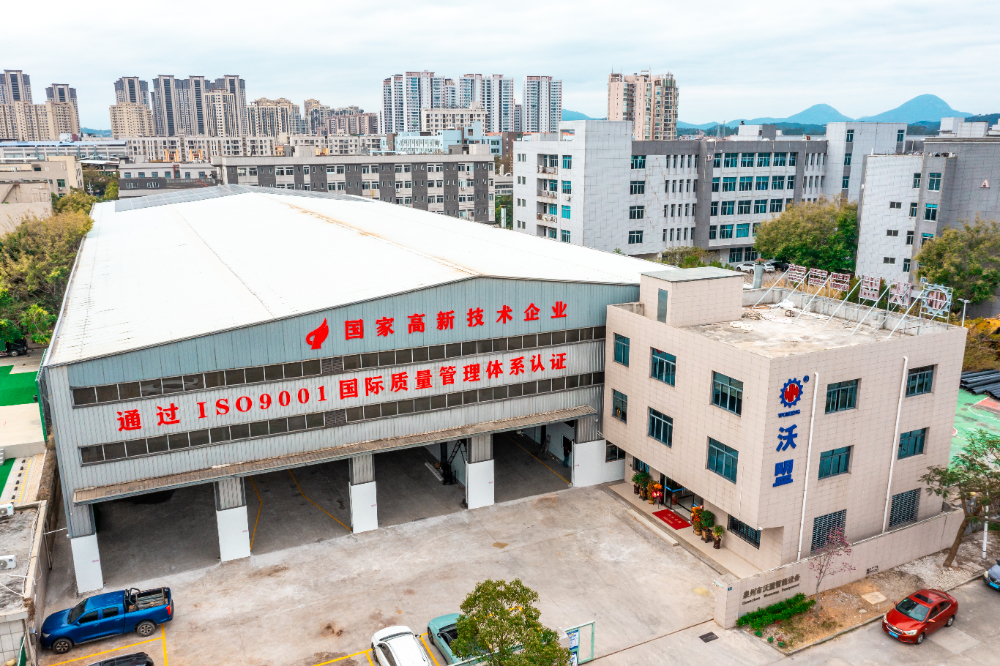

Sanitary Napkin Production Line Factory: Streamlining Hygienic Product Manufacturing
2026-03-18
In today's fast-paced world, the demand for high-quality sanitary products has never been greater. From innovation in materials to precision manufacturing, the production of sanitary napkins plays a crucial role in ensuring hygiene and comfort for millions globally. However, behind every reliable product lies a complex and efficient production process. At Womeng, we're dedicated to transforming this intricate journey into a seamless operation with our state-of-the-art sanitary napkin production lines. Womeng combines cutting-edge technology with human-centric design to streamline every step, from raw materials to finished goods. In this blog, we'll delve into the heart of modern hygienic product manufacturing, exploring how advanced machinery and smart engineering are revolutionizing the industry. You'll discover the secrets behind our efficient production lines and how they contribute to better products and a healthier world. Ready to uncover the innovations driving the future of sanitary napkin production? Let's dive in!
Unveiling Advanced Automation in Feminine Hygiene Manufacturing
The integration of advanced automation technologies is revolutionizing feminine hygiene manufacturing, shifting from labor-intensive processes to highly efficient, precision-driven operations. Modern facilities now employ robotic systems for tasks like material handling and assembly, allowing for faster production cycles and consistent product quality. This transformation not only boosts output but also reduces human error, ensuring that every item meets stringent safety and comfort standards, which is crucial in this sensitive product category.
Beyond mere efficiency gains, automation in this sector enables sophisticated customization and innovation. Advanced sensors and AI-driven quality control systems monitor products in real-time, detecting even minor defects and adjusting parameters on the fly. This capability supports the development of new materials and designs, such as eco-friendly alternatives or enhanced absorption technologies, meeting evolving consumer demands for sustainability and performance without compromising on reliability or scalability.
Looking ahead, the push for automation is fostering a more resilient and adaptable manufacturing landscape. By leveraging data analytics from automated processes, companies can predict maintenance needs, optimize supply chains, and reduce waste, contributing to cost savings and environmental goals. This forward-thinking approach not only streamlines operations but also positions manufacturers to respond swiftly to market trends, from hygiene to wellness-focused products, ensuring they stay competitive in a dynamic industry.
Innovative Quality Control for Superior Sanitary Product Safety
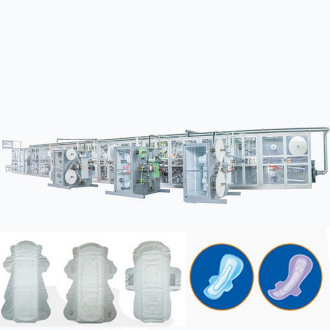
At the heart of every reliable sanitary product lies a meticulous quality control process. In an industry where safety is non-negotiable, manufacturers are increasingly adopting cutting-edge technologies to ensure every item meets the highest standards. From smart sensors that detect minute defects in real-time to advanced material testing that checks for durability and allergen-free properties, these innovations go beyond basic inspections. For instance, some facilities now use AI-driven image recognition systems to spot irregularities invisible to the naked eye, ensuring that only flawless products reach consumers.
Beyond technology, a robust quality control framework integrates rigorous protocols and continuous improvement. This includes automated feedback loops that analyze production data to predict potential issues before they arise, coupled with regular audits by independent bodies. By embracing such dynamic approaches, companies can swiftly adapt to new regulations and consumer expectations, building trust through transparency. What sets this apart is the emphasis on proactive measures rather than reactive checks, creating a culture where safety is ingrained in every step from design to distribution.
Ultimately, investing in innovative quality control translates to tangible benefits for end-users, such as enhanced comfort and long-term reliability. By focusing on precision and foresight, manufacturers not only comply with industry standards but also set new benchmarks, ensuring that sanitary products are consistently safe and effective for diverse needs. This commitment to excellence makes these items standout choices in a crowded market, delivering peace of mind with every use.
Sustainable Materials and Eco-Friendly Production Processes
In today's manufacturing landscape, the push towards sustainable materials isn't just a trend—it's a fundamental shift in how we think about product creation. Companies are increasingly turning to renewable resources like bamboo, cork, and recycled plastics, which not only reduce waste but also offer durability and aesthetic appeal. Beyond sourcing, innovations in biodegradable polymers and upcycled textiles are reshaping entire industries, encouraging consumers to value the entire lifecycle of a product rather than just its immediate use.
Eco-friendly production processes complement these material choices by minimizing environmental footprints at every stage of manufacturing. For instance, closed-loop water systems and solar-powered facilities significantly cut down on energy consumption and emissions, proving that efficiency and sustainability can go hand in-hand. Advanced techniques such as 3D printing with plant-based resins or digital fabrication reduce material waste by producing items on-demand, eliminating excess inventory and supporting a leaner, more responsive production model.
What sets forward-thinking brands apart is their commitment to transparency in these efforts. They're not just adopting green practices behind closed doors; they're actively engaging with certifications like Cradle to Cradle or B Corp to validate their claims. This holistic approach ensures that from raw material extraction to final assembly, every step is aligned with ecological principles, fostering a culture of responsibility that resonates with a growing eco-conscious market.
Customizable Sanitary Napkin Lines for Diverse Market Needs
At the heart of our sanitary napkin lines lies a commitment to customization that adapts to the varied lifestyles and preferences of women globally. We understand that no two markets are alike, with differences in climate, culture, and consumer habits shaping unique needs. Our products are designed with modular features, such as adjustable absorbency levels, varied lengths, and eco-friendly materials, allowing retailers and distributors to tailor collections that resonate with local demands. This flexibility ensures that whether in humid tropical regions or urban fast-paced environments, our napkins provide reliable comfort and protection.
Beyond basic functionality, our customizable approach extends to design and branding, empowering businesses to create distinct product identities. By offering options in packaging aesthetics, color schemes, and scent variations, we help partners stand out on shelves and connect with diverse consumer segments. For instance, some lines feature minimalist, sustainable packaging for eco-conscious shoppers, while others offer vibrant patterns appealing to younger demographics. This strategy not only meets market needs but also fosters brand loyalty through personalized experiences that feel authentic and engaging.
To support this diversity, we incorporate feedback loops and data-driven insights into our development process, ensuring our sanitary napkin lines evolve with changing market trends. By collaborating with local communities and healthcare experts, we refine product specifications—like thickness, wing designs, or hypoallergenic materials—to address specific concerns, from active lifestyles to sensitive skin. This proactive customization sets us apart, delivering products that are not just one-size-fits-all but thoughtfully crafted to enhance everyday well-being across different regions and cultures.
Efficiency-Driven Design: Enhancing Production Speed and Consistency
At the heart of every streamlined operation lies a design principle that prioritizes efficiency, not as an afterthought but as a foundational pillar. This approach integrates smart workflows and automated systems to slash production timelines, ensuring tasks are completed faster without sacrificing quality. By minimizing manual interventions and leveraging real-time data analytics, businesses can pivot quickly, adapt to market demands, and deliver products with remarkable speed.
Consistency is the unsung hero of reliable output, and efficiency-driven design ensures it by embedding standardized processes across all stages. Through predictive modeling and quality control loops, variations are detected early and corrected, leading to uniform results batch after batch. This reliability builds trust with clients and reduces costly rework, turning production into a predictable, smooth-running engine.
What sets this apart from generic efficiency talks is its embrace of human-centric elements—ergonomic layouts and intuitive interfaces that empower teams rather than just automate them. By blending cutting-edge tech with practical usability, this design philosophy not only accelerates output but also fosters a culture of precision, where every detail aligns to enhance both speed and steadfast consistency in today's fast-paced environments.
Future Trends and Technological Advancements in Hygienic Product Lines
Innovations in hygienic products are rapidly evolving to meet the growing demand for sustainability and personalization. For instance, biodegradable materials and smart packaging that monitors product freshness are becoming mainstream, reducing environmental impact while enhancing convenience. This shift not only addresses consumer concerns about waste but also opens up new market segments focused on eco-friendly solutions.
Technological integration is another key driver, with advancements like IoT-enabled devices and AI-powered analytics transforming how these products are used and maintained. Imagine bathroom fixtures that adjust hygiene settings based on user preferences or apps that track supply levels and reorder automatically, creating a seamless, efficient experience. These technologies not only boost functionality but also elevate user engagement through tailored interactions.
Looking ahead, the convergence of biotechnology and digital tools promises even more personalized and effective solutions. Developments such as probiotic-infused materials and real-time health monitoring sensors could redefine hygiene standards, offering proactive care rather than reactive measures. By blending cutting-edge science with practical applications, the future of hygienic product lines aims to deliver both enhanced well-being and innovative consumer value.
FAQ
The factory focuses on enhancing efficiency and precision in manufacturing hygienic products to meet high-quality standards and consumer demand.
It uses automated systems with strict contamination controls, such as clean rooms and sterilized materials, to maintain a sanitary environment throughout the process.
Common materials include absorbent cores, non-woven fabrics, adhesives, and leak-proof barriers, all sourced from certified suppliers for optimal performance.
Yes, the line is adaptable, allowing for adjustments in size, absorbency levels, and designs to create varied sanitary products like pads or liners.
Steps involve material unwinding, core formation, cutting, shaping, packaging, and quality checks to ensure each product is consistent and reliable.
It implements recycling programs for scrap materials and uses eco-friendly options where possible to reduce environmental impact during production.
Regular inspections, automated testing for absorbency and durability, and adherence to international standards ensure each batch meets strict quality criteria.
By streamlining production, it reduces lead times and costs, enabling faster distribution to meet market needs while maintaining product integrity.
Conclusion
The evolution of sanitary napkin production line factories represents a transformative approach to streamlining hygienic product manufacturing, with advanced automation systems revolutionizing feminine hygiene production. These facilities seamlessly integrate cutting-edge technologies to enhance operational efficiency, while innovative quality control protocols ensure superior product safety, addressing critical consumer concerns through rigorous testing and monitoring. By prioritizing sustainable materials and eco-friendly processes, manufacturers are reducing environmental impact while maintaining high standards, demonstrating a commitment to both ecological responsibility and product excellence.
Customizable production lines enable manufacturers to adapt to diverse market needs, offering flexibility in product design and features to cater to global consumer preferences. Efficiency-driven designs focus on optimizing production speed and consistency, minimizing waste and downtime through intelligent engineering and real-time data analytics. Looking ahead, future trends and technological advancements promise further innovations, such as smart manufacturing and biodegradable materials, positioning these factories at the forefront of an industry poised for continuous improvement and growth in hygienic product development.
Contact Us
Contact Person: Jessie Lai
Email: [email protected]
Tel/WhatsApp: 86-188594442931
Website: https://www.wm-machinery.com