

Solar Fan Factory: The Future of Eco-Friendly Ventilation
2026-07-28
Imagine cooling your space without guilt—no electricity bills, no carbon footprint. That’s the quiet revolution happening at SRS’s solar fan factory, where sunlight becomes the engine of tomorrow’s ventilation. As the world shifts toward greener living, these aren’t just fans; they’re a statement. But what makes their approach so radically different? Stick around—the answer might just change how you think about fresh air.
Harnessing the Sun for Smarter Airflow
Modern buildings are learning to breathe in rhythm with the sun. By combining photovoltaic panels with intelligent ventilation systems, we can channel solar energy to power fans that respond in real time to temperature and air quality changes. This isn’t just about opening a window—sensors detect subtle shifts in indoor conditions and adjust airflow precisely, ensuring comfort without wasting a single watt.
The magic lies in the seamless integration of design and technology. Solar cells embedded in roofing materials or shading devices feed energy directly to silent, efficient ducts that circulate air where it’s needed most. On cooler days, the system might draw in fresh outside air warmed by sun-heated surfaces, while in peak heat, it vents hot air out before it ever reaches the living space. The result feels organic, almost like nature itself is managing your indoor climate.
What sets this approach apart is its ability to learn and adapt. Machine learning algorithms predict usage patterns and weather forecasts, pre-cooling or ventilating spaces hours ahead. The system becomes smarter over time, slashing energy bills and reducing reliance on grid power—all while keeping the air inside fresher and cleaner. It’s a quiet revolution that puts the sun at the heart of how we move and treat the air we live with.
Redefining Ventilation with Solar Innovation
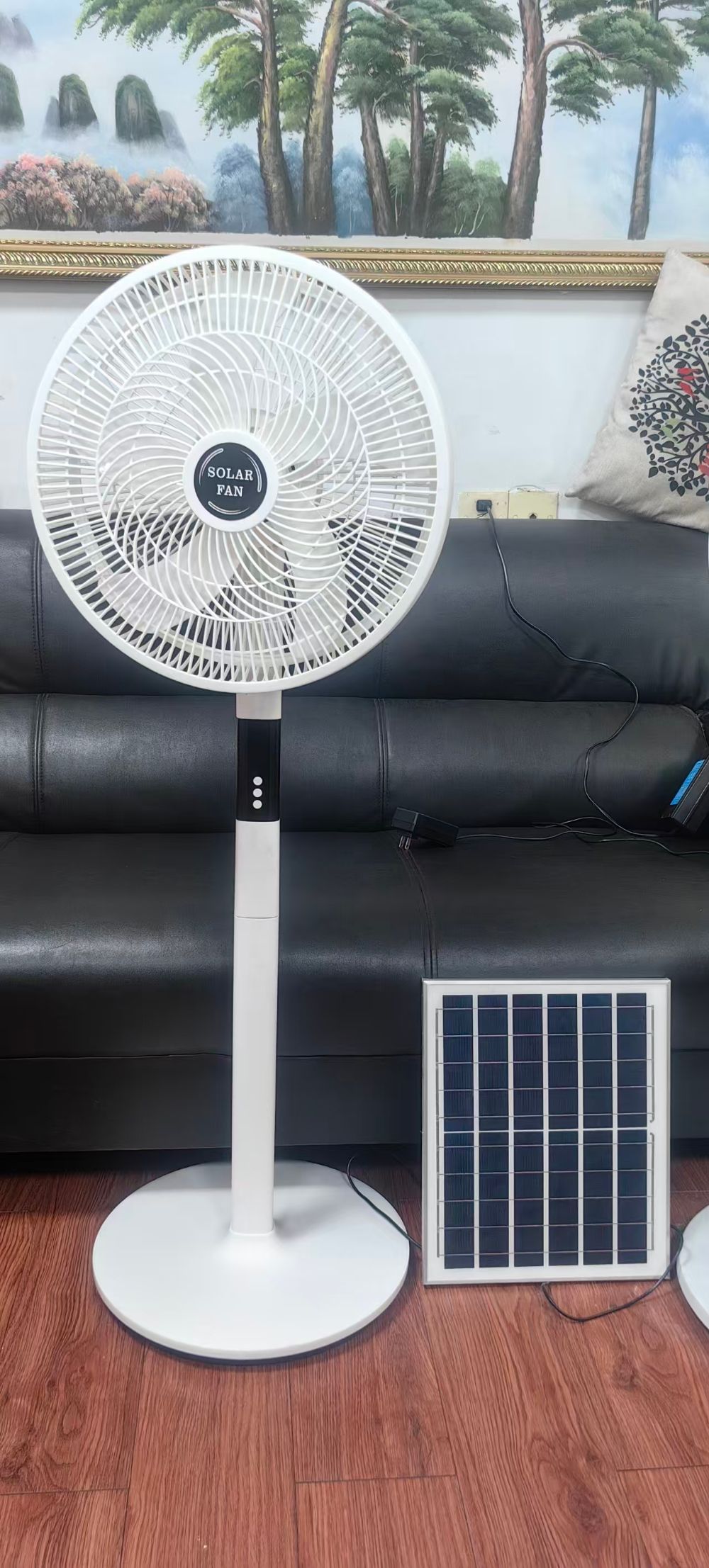
Traditional ventilation setups often lean heavily on grid electricity, driving up operational costs and environmental footprints. By harnessing solar energy, we can flip this dependency entirely—powering exhaust fans, air circulation units, and even whole-building ventilation through clean, renewable sources. This shift not only trims utility bills but also aligns with broader sustainability goals, making solar-assisted ventilation a pragmatic step toward energy-independent buildings.
Innovative system designs now integrate photovoltaic panels directly with high-efficiency DC fans, creating standalone modules that need no external power. Some concepts borrow from nature, using solar-heated chimneys to generate natural convection currents, pulling stale air out without moving parts. Advanced versions employ smart sensors and battery storage, adjusting airflow based on indoor conditions and storing surplus energy for nighttime or cloudy periods. These approaches turn ventilation from a pure energy drain into a self-sustaining comfort provider.
In practice, solar ventilation broadens possibilities beyond new construction. Existing structures can adopt retrofit kits that mount on walls or windows, bringing fresh air into spaces that struggle with humidity or pollutants. It’s especially valuable in remote or off-grid locations where running electrical wiring is impractical. The result is a quieter, lower-maintenance alternative that quietly blends into daily life—delivering fresh air while leaving a lighter touch on the environment.
Sustainable Cooling Solutions for Modern Spaces
Modern spaces demand cooling systems that do more than just lower the temperature. They need to operate efficiently, blend with design, and minimize environmental impact. Advances in passive cooling, such as strategic shading and natural ventilation, are being integrated with smart technologies that adjust cooling output based on real-time occupancy and weather patterns. These approaches not only cut energy use but also create healthier indoor environments free from the noise and dryness associated with traditional air conditioning.
Materials science is opening up new possibilities for thermal management without heavy reliance on electricity. Phase-change materials embedded in building structures absorb excess heat during the day and release it at night, smoothing out temperature swings. Radiative cooling surfaces, which reflect sunlight and emit heat into outer space, are now being applied to roofs and façades, providing passive relief even under direct sun. Combined with high-efficiency heat pumps that use low-impact refrigerants, these solutions form a layered defense against rising temperatures.
The shift toward sustainability also involves rethinking how we interact with our built environment. Biophilic design elements like green walls and water features contribute evaporative cooling while supporting biodiversity. Community-oriented cooling hubs, which serve multiple buildings through geothermal or district cooling networks, reduce duplication and share resources. By embracing these interconnected strategies, modern spaces are not just staying comfortable—they are actively contributing to a more resilient and climate-responsive future.
The Green Revolution in Air Circulation
The rush toward airtight, energy-efficient buildings has inadvertently trapped stale air, fumes, and humidity indoors, creating a silent crisis in our living and working environments. Traditional ventilation systems often guzzle energy while fighting a losing battle against mold, off-gassing furniture, and the sheer mass of carbon dioxide we exhale daily. The green revolution in air circulation isn't just about adding plants or opening windows—it's a fundamental rethinking of how we move and clean the air without burning through fossil fuels. Modern green air circulation harnesses passive design principles, smart sensor networks, and low-energy mechanical helpers to create a living, breathing ecosystem within our walls.
At the heart of this shift lie innovative materials and natural processes that work with physics, not against it. Phase-change materials embedded in building fabrics absorb and release heat to drive convection currents silently. Wind cowls and solar chimneys play with pressure differentials to pull fresh air through spaces without a single watt. Even living walls and moss panels are being integrated not just for aesthetics but as active biofilters that grab particulates and break down volatile organic compounds. The real magic happens when these elements are coupled with discreet, whisper-quiet fans and sensors that nudge the airflow only when needed, ensuring that the air in a room is exchanged methodically rather than in energy-hungry bursts.
What makes this revolution truly green is its shift from brute force to finesse. Instead of fighting outdoor temperatures, systems pre-condition incoming air by routing it through underground tubes or sun-warmed gaps in the facade. This slashes the load on heating and cooling while keeping oxygen levels high. Occupants can feel the difference—less stuffiness, fewer allergy triggers, and a subtle connection to the outdoor rhythm, as the building breathes with the day. From schools in Copenhagen to retrofitted offices in Singapore, this quiet transformation is proving that the healthiest air doesn't have to cost the Earth. It’s a lesson in working with nature, one breath at a time.
Off-Grid Efficiency Without Compromise
Living off the grid often forces a choice between comfort and conservation, but the latest advances in energy systems have erased that line. Today’s setups pair high-efficiency solar arrays with intelligent storage that learns your usage patterns, ensuring every watt is harvested and deployed with precision. Appliances designed specifically for low-demand environments now rival their conventional counterparts—refrigerators that sip power while keeping food fresher longer, and lighting that adjusts brightness based on natural daylight without you ever touching a switch. It’s not about sacrifice; it’s about smart integration that lets you live fully without thinking twice about energy limits.
True independence comes from a system that manages itself in the background. Modern inverters and charge controllers communicate seamlessly to balance loads, prioritize critical devices, and even predict weather shifts to maximize battery reserves. You wake up to a warm house, run your tools in the workshop, and watch a movie at night—all without a generator’s drone or the anxiety of a depleting battery gauge. This level of quiet autonomy reshapes off-grid living into an experience that feels expansive rather than restrictive, proving that efficiency doesn’t have to come with a long list of compromises.
Quiet Power, Zero Carbon Footprint
Imagine an energy source so discreet you barely notice it's there, yet it works tirelessly to keep your world moving. Quiet power isn't just about low decibels—it's a philosophy of efficiency that leaves no trace behind. By harnessing advanced technologies that operate in near silence, we eliminate the noise pollution that disrupts daily life while ensuring that every watt produced comes from clean, renewable sources. This seamless blend of tranquility and performance proves that power doesn't have to roar to be effective.
The journey to zero carbon footprint is woven into every component of our design. From the initial spark of an idea to the final delivery of energy, we've reimagined processes to sidestep traditional emissions entirely. Solar panels whisper as they capture sunlight, wind turbines hum gently in the breeze, and innovative storage systems hold onto that energy without a peep. There's no combustion, no fumes, no hidden costs to the atmosphere—just a quiet commitment to preserving the planet for future generations.
Choosing this path means embracing a lifestyle where your energy consumption aligns with your values. It's the gentle hum of a home powered solely by nature, the silent reassurance of a vehicle that moves without burning fuel, and the collective quiet of communities no longer shrouded in smog. The beauty of zero carbon living is that it doesn't ask for sacrifice—it offers a smarter, calmer way forward. In the end, true power isn't about the noise it makes, but the peace it leaves behind.
FAQ
Solar fans harness energy directly from the sun, eliminating the need for grid electricity and reducing carbon emissions. They work entirely on clean, renewable power, making them a perfect fit for sustainable living.
Most models come equipped with battery storage that charges during sunny periods, so they continue running when sunlight is low. Some also have a hybrid option to draw from the grid if needed, but the default is always solar first.
Any space that gets direct sunlight and needs airflow—greenhouses, attics, sheds, workshops, and even off-grid tiny homes. They’re especially popular in agricultural settings to keep livestock areas cool.
Yes, many solar fan kits are designed for straightforward DIY installation. They usually include mounting hardware and clear instructions, though larger commercial setups might require an electrician just to check the wiring.
The panels and fan housings are built with weather-resistant materials like tempered glass and corrosion-proof metal. They’re tested to withstand rain, hail, and strong winds, so they hold up well outdoors year-round.
It’s the combination of zero operating costs and growing energy consciousness. As more people look to cut utility bills and live off-grid, solar fans offer a practical, low-maintenance solution that keeps improving with panel efficiency.
They’re actually quieter because they typically use brushless DC motors that run smoothly. Noise levels are low enough that you can install one in a bedroom window or a quiet workspace without distraction.
Conclusion
The Solar Fan Factory is pioneering a new era in eco-friendly ventilation, harnessing the sun's abundant energy to create smarter airflow systems. Unlike conventional fans that rely on grid electricity, these solar-powered solutions tap into renewable energy, significantly reducing reliance on fossil fuels. By seamlessly integrating photovoltaic technology with advanced aerodynamic designs, the factory redefines how we think about air circulation. This innovation not only ensures optimal cooling but also aligns with the growing demand for sustainable living. Whether for residential, commercial, or industrial spaces, these fans offer a versatile and environmentally conscious alternative, merging efficiency with modern aesthetics to enhance comfort without harming the planet.
At the heart of this green revolution is a commitment to off-grid efficiency without compromise. The fans operate quietly yet powerfully, delivering consistent airflow while producing zero carbon emissions. This self-sufficient approach makes them ideal for remote locations or areas with unreliable power supplies, providing dependable ventilation even in the most challenging environments. By championing a zero-carbon footprint, the Solar Fan Factory is not just manufacturing products; it's driving a movement toward a cleaner, healthier future. Embracing solar technology means embracing a world where cooling our spaces no longer comes at the expense of the environment, but instead works in harmony with nature, ensuring that every breath of fresh air is truly guilt-free.
Contact Us
Contact Person: kitty
Email: [email protected]
Tel/WhatsApp: +8618676039824
Website: https://www.srssolargroup.com/