

Top Fan Coil Unit Options for Efficient Home Climate Control
2026-10-26
Finding the right fan coil unit can feel like a maze of specs and noise ratings. But efficient home climate control doesn't have to be complicated. In this guide, we cut through the clutter to spotlight top options that balance quiet comfort with real energy savings. Whether you're upgrading a single room or planning a whole-home overhaul, shairko brings practical, performance-driven choices into focus—so you can breathe easier no matter the season.
Why Fan Coil Units Deserve a Second Look for Whole-Home Comfort
When most people think about whole-home comfort, they picture a traditional ducted system with a single thermostat calling the shots. Fan coil units flip that assumption. By placing a unit in each zone or room, you get independent temperature control that adapts to how spaces are actually used. A sunny bedroom can stay cool while a basement office warms up, without over-conditioning the rest of the house.
The real appeal goes beyond zoning. Fan coil units work quietly with a range of heat sources—air-to-water heat pumps, boilers, even geothermal—so you aren't locked into one fuel or infrastructure. They fit into walls, ceilings, or closet corners, which makes retrofits far less invasive than running new ductwork through finished spaces. Maintenance is straightforward too: filters and coils are easy to reach, and there's no duct leakage eating into efficiency.
Comfort is the payoff that often gets overlooked. Because fan coil units deliver gentle, low-velocity air instead of sudden blasts, rooms feel more even and less drafty. Add in the ability to schedule setbacks or adjust from a phone, and you have a system that matches modern expectations without the complexity of a full central redesign. For many homes, the second look is long overdue.
Efficiency Ratings That Actually Matter When Choosing a Unit
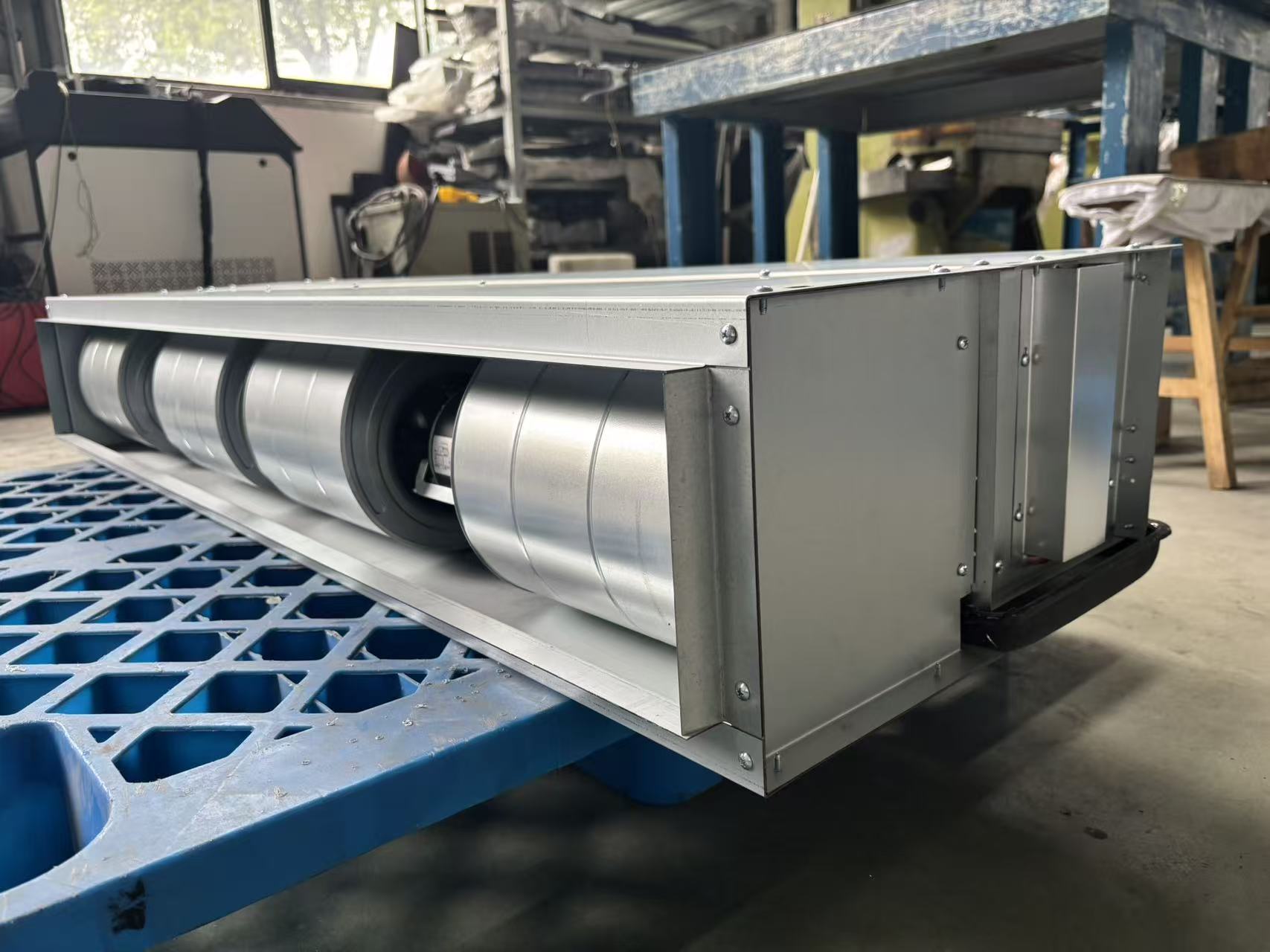
You’ll see plenty of numbers on a spec sheet, but most of them are just marketing noise. The ones worth your attention are the ratings tied to real-world performance under varying load conditions. Instead of fixating on a single peak figure, look for how the unit behaves at 25%, 50%, and 75% output — that’s where you’ll spot the difference between a machine that sips energy and one that gulps it.
Another rating that often flies under the radar is the part-load efficiency curve. A unit with a high full-load rating can still drain your wallet if it spends most of its life running at half speed. Check for integrated part-load values or seasonal efficiency metrics that reflect how the equipment actually operates in your climate, not just in a lab. This is the kind of detail that separates a smart purchase from an expensive regret.
Finally, don’t ignore the rating’s testing standard. Different regions use different protocols, and a number that looks impressive under one standard might be mediocre under another. Comparing apples to apples means knowing whether the rating was measured with the same ambient temperatures, airflow assumptions, and cycling patterns. A little digging here can save you from buying a unit that only performs well on paper.
Ducted vs. Ductless: Matching the Setup to Your Home’s Layout
If your home already has ductwork running through the attic, basement, or crawlspace, a ducted system usually makes the most sense. You get consistent temperatures in every room and all the mechanical parts stay hidden behind walls or ceilings. The catch is space. Ducts need room to branch out, and the air handler needs a central spot - often a closet, attic, or garage. Older homes with low ceilings, flat roofs, or finished basements can turn a simple duct install into a major renovation, so layout matters more than square footage here.
Ductless setups shine in places where running ducts would be impractical or destructive. A sunroom addition, a converted garage, a top-floor bedroom that never gets enough airflow, or a historic house with plaster walls and no chase space all fit this profile. The indoor units only need a small hole to connect to the outdoor condenser, and they can mount high on a wall or recess into a ceiling. The trade-off is visible equipment and a separate unit for each zone, which some people find cluttered in smaller rooms. Condensate lines also need a path outside, so interior rooms without an exterior wall can get tricky.
Often the best answer is a hybrid. Keep a ducted system for the main living areas if the ducts are already there, then add a ductless unit for a new addition, a finished attic, or a room that sits above an unconditioned garage. This lets you match the equipment to the actual layout instead of forcing one technology to handle every space. Pay attention to how you use each room, too. A guest room that only gets used on weekends may be better off with its own ductless unit than with a long duct run that fights through bends and loses pressure.
Pairing Your Unit with Smart Controls for Room-by-Room Precision
A basic thermostat treats the whole house as one climate zone, so the bedroom may freeze while the living room stays warm. Pairing your unit with a smart control system changes that. Install remote temperature sensors in the rooms you use most, and let the system average or prioritize readings based on time of day. The unit then adjusts output to match actual conditions rather than guessing from a single hallway sensor.
For sharper room-by-room precision, add motorized zone dampers or smart vents that open and close based on individual schedules. This works especially well in homes with sun-facing rooms or finished basements. You can set a cooler target for the upstairs bedrooms at night while keeping the main floor comfortable in the evening, and the unit responds without manual tweaking.
Installation Mistakes That Sabotage Long-Term Performance
Many installation problems don't show up right away, but they steadily eat away at performance. A classic example is ignoring specified torque values on fasteners. Whether someone cranks bolts by feel or uses an uncalibrated wrench, the result is a joint that's either too loose or under too much stress. Loose connections allow micro-movement, which widens gaps over time, while over-tightened fasteners can fatigue and crack long before their rated life. These failures rarely announce themselves—they just chip away at structural integrity month after month.
Another overlooked mistake is failing to account for thermal expansion. When anchor points are placed too rigidly or no expansion joints are included, materials can't move freely through temperature cycles. The result is warping, broken seals, or internal stress that builds silently inside frames, pipes, or composite panels. This one often gets blamed on material quality months later, when seams start leaking or panel edges bulge. But the real issue is that installation left no room for movement.
Poor substrate preparation can also sabotage long-term stability. If the base surface isn't level, compacted, or properly cured, loads won't distribute evenly. One corner ends up carrying more weight, which leads to settlement, rotation, or even anchor pull-out. Skipping drainage slope adds moisture problems, accelerating corrosion or freeze-thaw damage. These foundational errors won't be caught during a quick inspection, but they'll demand a major repair a few years down the line.
Keeping Noise Low and Air Fresh in High-Traffic Living Areas
High-traffic zones like entryways, hallways, and open-plan kitchens tend to collect both sound and stale air. Instead of accepting that as normal, look for soft materials that double as sound absorbers—woven wool runners, fabric wall panels, even a thick upholstered bench by the door. These pieces quietly break up noise without making the space feel like a recording studio. At the same time, place a small, quiet air purifier with a HEPA filter near the busiest corner, or simply open two opposite windows for a few minutes each day to create a cross-breeze that pulls odors out.
If doors and floorboards creak or echo, add felt pads to chair legs and swap hollow-core interior doors for solid ones where possible. A simple curtain across an open doorway can do more for sound than many expect, and it also gives you a way to control airflow room by room. For freshness, skip heavy synthetic sprays. Keep a shallow tray of activated charcoal or a low-maintenance snake plant near the shoe rack; both work around the clock without adding noise or chemicals.
FAQ
Focus on airflow, motor type, and how well the unit matches your room size. A variable-speed ECM motor often pays for itself through lower energy use and quieter operation.
It depends on your climate and daily runtime. If you need cooling and heating year-round, upgraded models with better humidity control and quieter fans tend to deliver noticeable comfort improvements.
Many compact models are designed for limited clearance, but you need to confirm minimum service access and airflow clearances. Poor placement can reduce efficiency and make filter changes a hassle.
They move air across a coil, so they often reach desired temperatures faster and allow room-by-room zoning. With a modern EC motor, they avoid constant full-speed operation, which trims overall consumption.
The main tasks are cleaning or replacing filters, checking the condensate drain, and inspecting the coil for dust buildup. Ignoring these leads to reduced airflow, higher energy bills, and possible water damage.
Look for insulated cabinets, multiple fan speed settings, and an ECM motor that ramps gradually. Some manufacturers also offer night mode or acoustic liners for bedroom and office use.
A heat pump works well for efficient cooling and moderate heating, while a boiler-backed coil handles colder climates with stronger heating capacity. Your choice should reflect local temperatures and existing infrastructure.
Most modern units accept standard 24V thermostat wiring, so smart controls are compatible. You may need a relay or interface module for multi-speed fan control, but the setup is usually straightforward.
Conclusion
Fan coil units rarely get the same attention as central air handlers or mini-splits, but they remain a practical choice for whole-home comfort because they work with existing boiler or chiller systems and offer room-level control without major ductwork overhauls. When comparing models, look beyond the label: real-world performance comes from ratings like seasonal energy efficiency ratio (SEER) and integrated part load value (IPLV), which tell you how the unit behaves under partial load, not just at full blast. For homes with existing ducts, a ducted fan coil can drop in fairly cleanly, while ductless or low-profile units make sense for additions, attics, or older houses where tearing open walls isn't worth the cost.
Pairing a fan coil with smart thermostats or zone controllers changes how the whole system feels—each room can hold its own temperature without overcooling empty spaces, which cuts energy waste in a way a single central setting can't. That said, many units underperform because of avoidable mistakes: undersized drain pans, sloppy condensate lines, poor filter access, or mounting against an uninsulated exterior wall. Those issues show up later as water stains, mold smells, or a constant hum in living areas. Choosing a unit with a well-designed blower, insulated cabinet, and accessible filter tray goes a long way toward keeping noise low and air fresh, especially in family rooms or home offices where people spend hours at a time.
Contact Us
Contact Person: Crystal
Email: [email protected]
Tel/WhatsApp: 8613524235353
Website: https://www.airkohvac.com