

Top Microcrystalline Wax Supplier: Your Guide to Premium Quality and Reliable Sourcing
2026-03-30
In the world of industrial materials, sourcing premium microcrystalline wax can be a daunting task. As businesses strive for reliability and top-tier quality, finding the right supplier becomes crucial. That's where XUSHI steps in as a leading provider committed to excellence. This guide delves into why XUSHI stands out as a top microcrystalline wax supplier, offering insights into their commitment to sustainability, innovation, and customer satisfaction. Get ready to explore how XUSHI transforms sourcing into a seamless, high-quality experience that fuels your operations with confidence and efficiency.
Innovative Applications of Microcrystalline Wax Across Industries
Microcrystalline wax, often overshadowed by its more common counterpart paraffin wax, has carved out a niche through its unique blend of pliability and resilience. Unlike some waxes that can become brittle, this refined petroleum-derived substance remains elastic under pressure, making it a standout choice for industries where durability and flexibility are paramount. From the sleek sealants in automotive manufacturing that withstand extreme temperature fluctuations to the robust waterproof coatings in construction, its versatility is quietly revolutionizing how materials perform in everyday applications.
In the pharmaceutical and cosmetic sectors, microcrystalline wax is making waves by enhancing product integrity without sacrificing aesthetics. Its ability to form stable emulsions and provide a smooth, non-greasy texture has led to its inclusion in lip balms, ointments, and even advanced drug delivery systems. This wax acts as a silent guardian, ensuring that sensitive components remain protected from moisture and degradation, a critical factor in maintaining efficacy while delivering a premium user experience.
Beyond traditional uses, innovative minds are pushing the boundaries by incorporating microcrystalline wax into cutting-edge fields like electronics and sustainable packaging. In electronics, it serves as a reliable insulator for delicate circuits, preventing short circuits in harsh environments. Meanwhile, in the quest for eco-friendly solutions, researchers are exploring its biodegradability and potential in creating compostable films that reduce plastic waste, highlighting how this humble material is paving the way for greener industrial practices.
Selecting High-Performance Microcrystalline Waxes: A Practical Approach
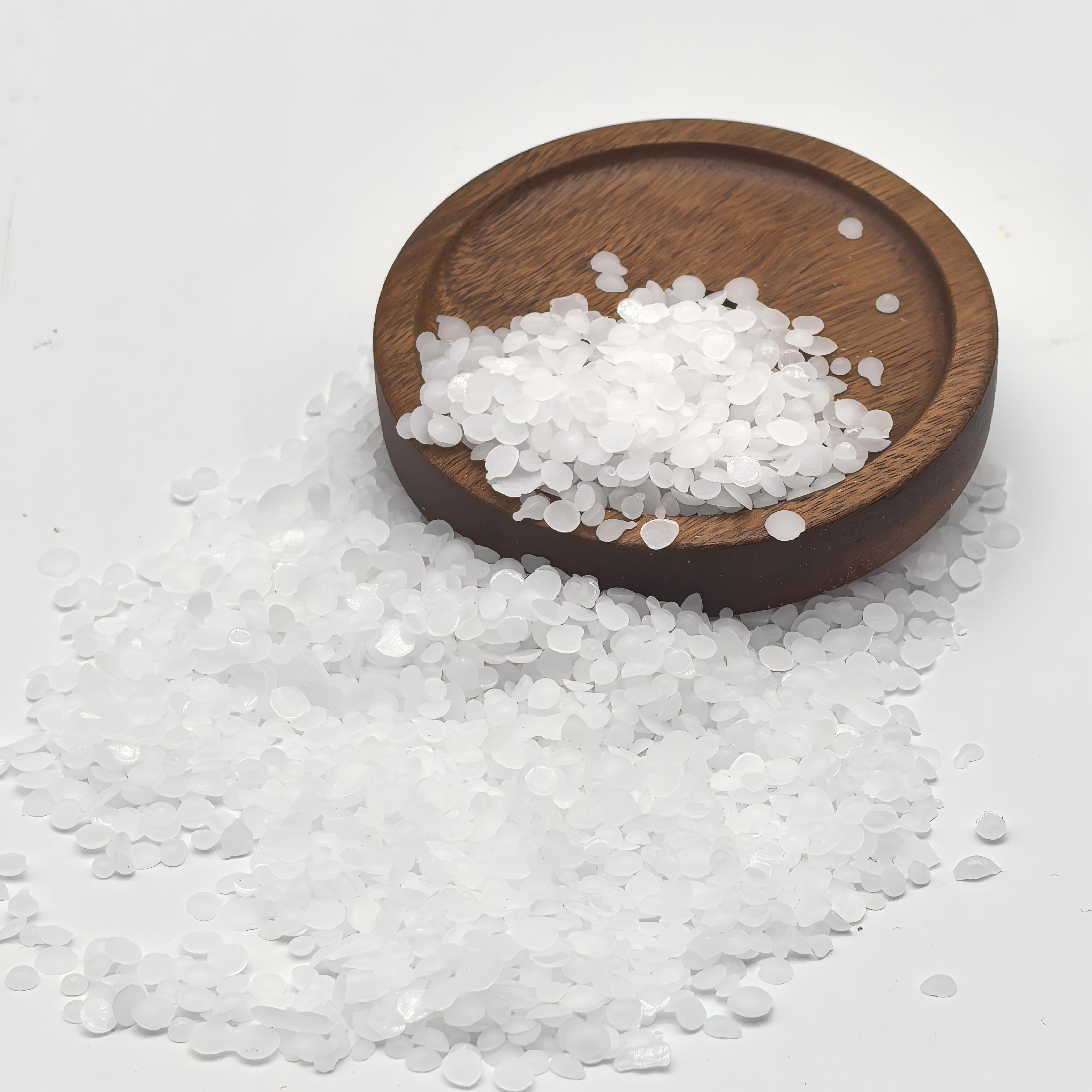
Choosing the right microcrystalline wax for your application can be a bit like selecting a wine for a special dinner – you need to consider both the food (your product) and the occasion (the performance required). Unlike generic paraffins, microcrystalline waxes are prized for their flexibility and higher melting points, making them ideal for everything from cosmetics to industrial coatings. A practical approach starts with understanding your core needs: Are you aiming for superior adhesion, better moisture resistance, or enhanced texture? By pinpointing these factors upfront, you can narrow down options without getting lost in technical jargon.
One often-overlooked tip is to test wax blends in real-world conditions rather than relying solely on data sheets. For instance, a wax that looks perfect on paper might behave differently under humidity or temperature swings. Try small-scale trials with your exact formula, assessing properties like hardness, gloss, and compatibility with other ingredients. This hands-on method helps avoid costly mistakes down the line and ensures the wax integrates seamlessly into your process, whether you're molding candles or waterproofing packaging.
Lastly, don't forget the sustainability angle – it's becoming a game-changer in material selection. Many suppliers now offer bio-based or recycled microcrystalline waxes that perform just as well as traditional ones. By considering eco-friendly options, you not only meet regulatory demands but also appeal to environmentally conscious consumers. In short, a smart selection blends technical specs with practical testing and forward-thinking values, resulting in a wax that truly elevates your product's performance.
Key Properties That Define Premium Microcrystalline Wax
One of the standout features of premium microcrystalline wax is its exceptional flexibility and low melting point, which sets it apart from other wax types. This unique combination allows it to maintain a soft, pliable texture even in cooler conditions, making it ideal for applications where durability and adaptability are crucial, such as in cosmetics, food packaging, and coatings.
Another defining property is its high molecular weight and branched molecular structure, which contribute to superior resistance against moisture and chemicals. Unlike paraffin wax, premium microcrystalline wax forms a tighter, more cohesive barrier, enhancing its protective qualities in industries like pharmaceuticals and electronics, where long-term stability is essential.
Additionally, its refined composition results in a clear, smooth finish with minimal odor and impurities, ensuring it meets stringent quality standards. This purity not only boosts performance in specialized uses, such as candle-making and adhesives, but also underscores its versatility as a premium material that consistently delivers reliable results across diverse applications.
Sustainable Sourcing Practices for Reliable Microcrystalline Wax Supply
Sustainable sourcing practices are crucial for ensuring a dependable microcrystalline wax supply while minimizing environmental impact and promoting ethical standards. By prioritizing eco-friendly extraction methods and responsible raw material procurement, companies can stabilize supply chains and reduce risks associated with resource depletion and regulatory changes. This approach not only supports long-term availability but also enhances product quality and corporate reputation by aligning with global sustainability initiatives.
Implementing sustainable practices involves thorough audits of sourcing locations to verify compliance with environmental regulations and labor rights, fostering transparency throughout the supply chain. For microcrystalline wax, this may include selecting suppliers that utilize renewable energy in production and employ waste-reduction techniques, such as recycling by-products. By building strong partnerships with certified and responsible suppliers, businesses can ensure consistent wax quality and mitigate disruptions, ultimately contributing to a more resilient and trustworthy market.
Differentiating in the competitive wax industry requires going beyond basic compliance to innovate in sustainability, such as investing in research for bio-based alternatives or adopting circular economy models that extend product lifecycles. Emphasizing these practices can attract environmentally conscious customers and drive industry-wide improvements, making sustainable sourcing a key factor for reliable microcrystalline wax supply and fostering a more responsible global economy.
How to Partner with a Trusted Microcrystalline Wax Manufacturer
Partnering with a trusted microcrystalline wax manufacturer goes beyond ticking boxes on a supplier checklist. It starts with thorough due diligence: look beyond sales pitches and evaluate their production facilities through on-site visits if possible. Assess their quality control processes, certifications like ISO standards, and track record in handling custom formulations to meet diverse industry needs, from cosmetics to industrial applications. A reliable manufacturer should be transparent about sourcing raw materials and have robust safety and compliance protocols in place.
Forging a strong partnership involves clear communication and alignment of goals. Initiate discussions early to outline your specific requirements, such as melting points, hardness, or purity levels, and see how the manufacturer responds with tailored solutions. Trust is built over time through consistent product performance, timely deliveries, and proactive support. Consider smaller-scale trials or pilot projects to test their responsiveness and problem-solving skills before committing to long-term agreements.
To truly stand out in your partnership, focus on collaborative innovation rather than transactional exchanges. A trusted manufacturer will invest in understanding your business challenges and co-develop products that enhance your offerings. This might involve joint R&D efforts to create unique wax blends or sustainable alternatives, such as plant-based or recycled options. Regular performance reviews and feedback loops help maintain high standards and adapt to market changes, ensuring a resilient and value-driven relationship that benefits both parties.
Enhancing Product Durability with Advanced Microcrystalline Wax Solutions
When we talk about protecting products against wear and tear, advanced microcrystalline wax solutions often fly under the radar, yet they play a crucial role in extending product lifespan. Unlike traditional paraffin waxes, which can become brittle over time, these specialized waxes form flexible, adhesive films that shield surfaces from moisture, abrasion, and environmental stressors. Developed through refined petroleum processes, they offer superior melting points and resistance, making them ideal for everything from automotive coatings to industrial lubricants.
One standout feature of these advanced solutions is their ability to penetrate deep into material pores, creating a durable barrier without altering the product's original appearance or texture. This isn't just about slapping on a protective layer; it's a strategic enhancement that boosts resilience in high-use scenarios, such as in electronics where moisture ingress can lead to failure. By integrating these waxes, manufacturers can reduce maintenance costs and improve customer satisfaction with longer-lasting goods.
Looking ahead, the innovation in microcrystalline wax technology continues to evolve, with formulations tailored to specific industries like pharmaceuticals or cosmetics, ensuring compatibility and enhanced performance. This adaptability means that as products become more complex, these wax solutions can keep pace, offering a reliable way to safeguard investments and promote sustainability through reduced waste. Ultimately, leveraging such advanced materials is a smart move for any brand aiming to deliver quality that stands the test of time.
FAQ
Microcrystalline wax is a refined petroleum derivative with fine crystals, prized for its flexibility and adhesion properties. Sourcing from a top supplier ensures premium quality, consistent performance, and reliable supply chains, reducing risks in industries like cosmetics and packaging.
Look for suppliers with certifications like ISO, proven track records in quality control, and transparency in raw material sourcing. Premium suppliers often offer technical support, customization options, and robust customer service to meet specific application needs.
Evaluate their production capacity, lead times, and logistical capabilities. Reliable suppliers maintain stable inventories, adhere to safety standards, and provide clear communication to prevent disruptions in your operations.
Premium-quality wax has higher purity, better thermal stability, and enhanced consistency in texture and color. It undergoes rigorous testing for impurities, ensuring superior performance in demanding applications like adhesives or coatings.
Focus on open communication, joint problem-solving, and regular quality audits. Establishing mutual goals and flexible contracts can foster trust and innovation, leading to cost savings and improved product development over time.
Challenges include price volatility, supply chain disruptions, and quality inconsistencies. A top supplier mitigates these by offering competitive pricing, diversified sourcing options, and stringent quality assurance programs to ensure steady, high-grade supply.
Different industries, such as food packaging or pharmaceuticals, have specific regulatory and performance requirements. A top supplier tailors products to meet these standards, providing documentation and expertise to ensure compliance and optimal use.
Innovation drives the development of new formulations, sustainable options, and application techniques. Leading suppliers invest in R&D to enhance product properties, reduce environmental impact, and stay ahead of market trends, offering clients cutting-edge solutions.
Conclusion
Navigating the landscape of microcrystalline wax suppliers involves more than just sourcing a raw material; it demands a strategic approach to ensure premium quality and reliability. Top suppliers exemplify this by offering innovative applications across diverse industries, from pharmaceuticals and cosmetics to industrial coatings, where these versatile waxes provide enhanced performance and functionality. The selection process is guided by a practical assessment of key properties such as melting point, viscosity, and flexibility, which collectively define premium grades that meet stringent requirements for durability and consistency. By prioritizing these attributes, businesses can secure high-performance waxes that elevate their products, ensuring they stand out in competitive markets with solutions that not only perform but also adapt to evolving industry needs.
Beyond technical specifications, reliable sourcing hinges on sustainable practices and strong partnerships with trusted manufacturers. Forward-thinking suppliers integrate eco-friendly methods to minimize environmental impact while ensuring a steady supply, addressing concerns from production to end-use. Collaborating with a reputable manufacturer fosters transparency and long-term stability, enabling tailored solutions that enhance product durability through advanced formulations. This holistic approach—blending innovation, quality assessment, sustainability, and partnership—empowers businesses to source microcrystalline wax with confidence, driving success through materials that are both dependable and transformative across applications.
Contact Us
Contact Person: Alan Zhu
Email: [email protected]
Tel/WhatsApp: 8613931838766
Website: https://www.cnxushibeeswax.com