

Wholesale GS-441524 FIP Treatment Options Every Buyer Should Understand
2026-11-16
Buying GS-441524 in bulk can feel like navigating a maze of conflicting quality claims and pricing traps. Whether you are stocking for a clinic or sourcing for a rescue, a single weak batch can set back treatment for cats that cannot afford delays. This guide breaks down what actually matters before you commit—and why buyers increasingly verify suppliers like Lucpets against stricter standards.
Bulk Pricing That Looks Too Good Usually Hides a Tradeoff
When a bulk price undercuts every other supplier by a wide margin, the first question should not be how fast you can order but what got stripped out to make that number work. It might be thinner packaging, a shorter shelf life, mixed production batches, or a slower fulfillment queue. None of those are automatically deal-breakers, but they change the real cost per usable unit.
Some sellers quietly compress the quality range within a bulk lot. You may receive twenty perfectly finished pieces and thirty that should have been sorted out, because the discount price reflects relaxed inspection rather than a genuine efficiency gain. That forces you to absorb the sorting time, customer returns, or wasted material on your end.
The tradeoff can also show up after payment, in tighter replacement windows, limited liability for transit damage, or minimum reorder terms that lock you into the same inconsistent supply. A price that looks too good is often just the visible part of a less forgiving arrangement, so it helps to compare the total landed and handling cost before assuming you found a bargain.
Oral Suspensions and Injectable Vials Suit Different Treatment Windows
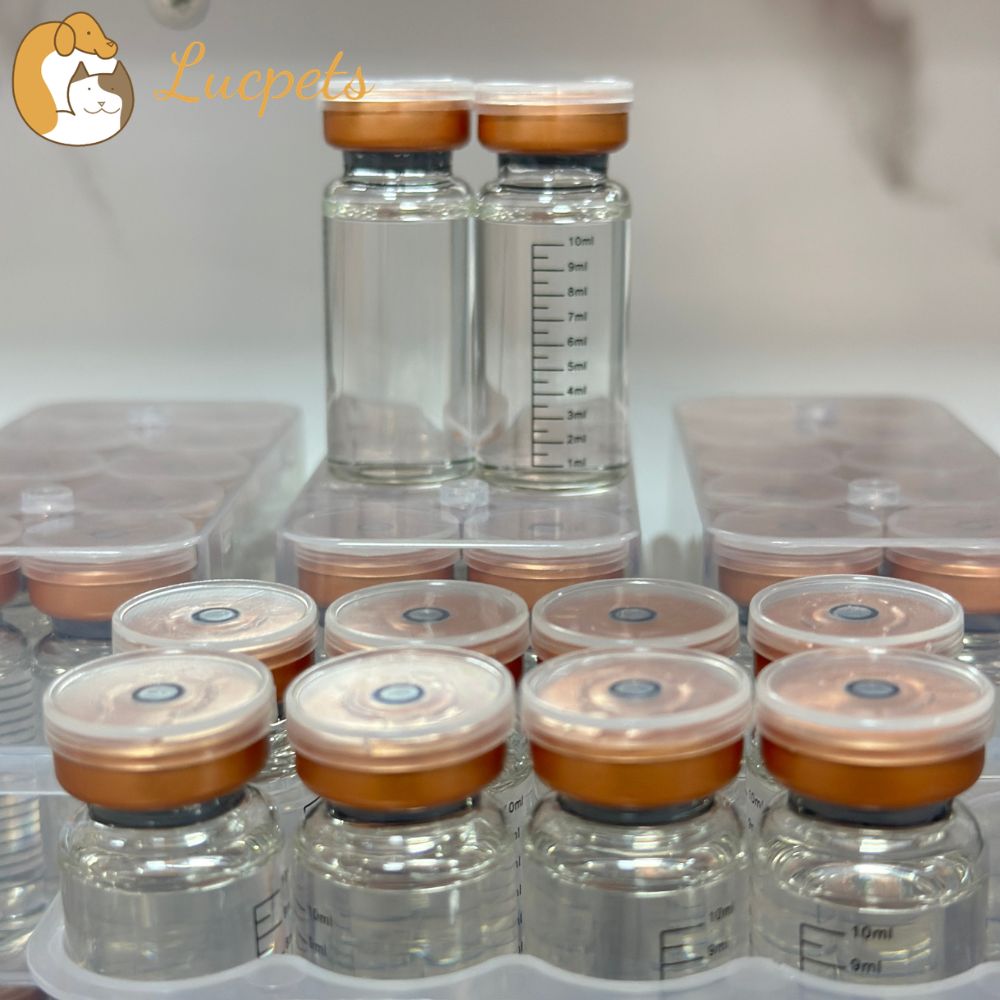
Oral suspensions earn their place when the clinical picture calls for gradual, adjustable dosing over days or weeks. They are especially useful in paediatric patients, older adults with dysphagia, or anyone whose gastrointestinal function is intact enough to absorb drug predictably. The ability to measure a specific millilitre volume means the dose can be fine-tuned without committing to a fixed tablet strength, and that flexibility matters when renal function, weight, or response is still changing.
Injectable vials, by contrast, fit the moments when speed and reliability outweigh convenience. In acute care settings, a drug may need to reach therapeutic concentrations within minutes, bypassing first-pass metabolism or an unreliable gut. Vials also suit patients who cannot take anything by mouth, as well as narrow therapeutic index drugs where small differences in exposure can tip the balance between efficacy and toxicity. Here the controlled intravenous or intramuscular route gives clinicians a tighter grip on plasma levels.
The practical decision often hinges on where the patient is in the treatment arc. Early, unstable phases may demand the precision of an injectable, while later stabilisation can transition to an oral suspension once absorption is no longer a major variable. Rather than viewing the two forms as interchangeable, clinicians tend to match the formulation to the therapeutic window at hand: wide enough for oral variability in one phase, or narrow enough to require parenteral control in another.
Third-Party Purity Reports Are the Only Claim That Counts
A brand can print the word “pure” on a label without anyone checking. It only starts to carry weight when an outside laboratory has examined the batch and found no heavy metals, residual solvents, or microbial contamination. Once a company pays for its own seal of approval, the line between marketing and actual verification disappears.
What makes third-party reports meaningful is their precision. A useful report names the lab, describes the testing methods, and links the results to a specific lot number. If one certificate claims to cover every batch ever produced, it is not a purity check; it is decoration.
Always ask for the full document before buying, not a summary of it. If the report is missing, outdated, or vague, take your money elsewhere. In a market crowded with adjectives, only unedited numbers from an independent lab reveal what is actually inside.
A Supplier’s Track Record Outweighs a Persuasive Sales Pitch
There is a moment in every buyer's career when a supplier walks into the room with polished slides, a confident smile, and a story that sounds almost too good to question. The language is smooth, the promises are bold, and the enthusiasm is contagious. Yet seasoned procurement professionals know that charm fades quickly when delivery dates slip or quality quietly degrades. A compelling pitch can open a door, but it cannot keep it open through months of real-world performance.
What separates a supplier worth signing from one merely worth hearing is the weight of what they have already done. Past shipment accuracy, defect rates, responsiveness under pressure, and consistency across multiple orders form a pattern that no script can replicate. When you look at a supplier's history, you see how they behave when no one is watching, how they handle a late container or a misprinted part, and whether their promises hold up after the contract is signed.
A persuasive pitch might win a single meeting, but a track record wins the next ten purchase orders. Smart buyers treat a smooth presentation as a starting point for deeper verification, not as proof of reliability. They ask for references, request performance data, and compare the supplier's claims against the quiet evidence of their delivery logs. In the end, a supplier's past is the clearest voice in the room, and it speaks much louder than any sales script.
Import Rules and Legal Risks Shift by Region and Carrier
The same shipment can clear without delay in one market and trigger a legal hold in another. In the EU, importers face detailed checks on commodity codes, CE marking, and REACH documentation; missing a single data point can lead to storage fees and postponed clearance. In parts of the Middle East and North Africa, consular invoices or chamber of commerce attestations remain mandatory, and minor mismatches in the consignee name can push a container into a formal investigation. The United States adds separate exposure through forced labor reviews, antidumping duties, and agency-specific data requests that often surface only after arrival.
Carrier choices also move the legal risk line. Integrators like DHL, UPS, or FedEx often pre-clear low-value shipments but also run automated screening for vague descriptions, restricted dual-use items, and under-declared values, which can result in sudden shipment holds or account-level penalties. Ocean freight forwarders and NVOCCs operate under different obligations: missing ISF or AMS details, incorrect VGM data, or poorly drafted bill of lading clauses can transfer liability back to the shipper. What begins as a routing decision quickly becomes a question of who bears demurrage, examination costs, or customs fines.
The spread of risk is most visible in trade terms. A seller offering DDP to Brazil or India may face unexpected tax liabilities, license requirements, and local agent fees that were never priced into the order, while an EXW or FOB sale shifts those burdens to the buyer but can strain the relationship when clearance stalls. Carrier standard terms also deserve attention: lien rights over cargo, limits on liability, and governing law clauses vary between shipping lines and freight platforms. Without checking these details before shipment, importers and exporters often discover the real rules only after the cargo is already moving.
Concentration Per Vial Changes the Real Cost of a Wholesale Order
A purchase order that compares only the price per vial misses a basic arithmetic shift. Two products can sit within pennies of each other on a supplier quote while carrying very different concentrations, so the number of vials needed to reach the same total milligram volume moves sharply. That difference shows up in receiving time, storage slots, and the number of units being picked, packed, and checked.
The practical test is to price the order per usable milligram delivered, not per vial. If a buyer needs 12,000 mg and chooses a 200 mg vial over a 400 mg vial, the order doubles from 30 to 60 containers. Even when the per-mg cost matches, the lower-concentration route adds cartons, labels, cold-chain space, and more chances for a count error or a broken vial. For a warehouse with limited refrigerated capacity, that is not a rounding error.
Downstream handling compounds the difference. A dose that requires pooling two or three vials adds preparation steps, syringes, and leftover overage that often gets discarded. None of these appear on the wholesale invoice, but they are carried by the buyer's operation. A higher per-vial price for a more concentrated format can therefore produce the lower actual order cost once receiving, storage, and prep labor are included.
FAQ
A meaningful COA should specify purity by HPLC, list residual solvents, and identify the exact salt or polymorph. If the batch number on the COA doesn't match the product or the lab isn't named, treat it as a red flag rather than a formality.
Not really. Powder gives flexibility for compounding and usually stores longer, but it demands precise handling and a clean environment. Oral suspensions are more convenient to dispense, yet they have shorter stability windows and can settle unevenly if not formulated well.
Some of the gap comes from scale of synthesis and purity. A low price often means fewer purification steps, loosely controlled crystallization, or no independent verification. Higher quotes usually reflect repeat testing, better documentation, and more consistent batch-to-batch results.
Ask for a recent third-party COA, batch production records, a stability summary, and a clear chain of custody. If a supplier dodges questions about the manufacturing site or only offers a generic '99% pure' claim, that should slow down the decision.
Keep it in a cool, dry place, away from direct light and moisture. Sealed containers with desiccant are standard. Frequent opening of bulk powder invites humidity, which can degrade the material even if the label says room temperature is fine.
Yes, and it's not just wording. Vendors selling material labeled for veterinary use may carry more regulatory risk and often need additional import permits. Research-grade labeling doesn't automatically mean lower purity, but it can shift responsibility onto the buyer for how it's used.
Inconsistent appearance, missing batch numbers, reluctance to send a small sample for independent testing, and prices that seem disconnected from synthesis costs are all warning signs. Also watch for suppliers who change payment terms or shipping routes after you approve a sample.
Request that the supplier seal each container with tamper-evident labels that carry the same batch number as the COA. Random sampling from sealed units and sending those samples to an independent lab before accepting the full shipment is usually worth the delay.
Conclusion
Buyers chasing wholesale GS-441524 often fixate on the lowest listed price, but cheap bulk offers tend to hide diluted concentrations, skipped sterility checks, or missing paperwork. A vial that looks affordable on paper becomes expensive when the actual milligram count per milliliter is lower than expected, forcing more doses or a longer treatment course. Before comparing totals, read the third-party purity report. In-house certificates mean little; only independent lab results can verify that the batch matches what the label promises. Also weigh a supplier's history over a smooth pitch. Vendors with repeat buyers, clear batch records, and consistent shipping performance are safer than newcomers offering aggressive discounts and polished marketing.
The right form matters as much as the source. Oral suspensions fit maintenance and cats that resist injections, while injectable vials are often preferred for acute or early treatment stages when rapid blood levels matter. Wholesale buyers should map the treatment window before stocking one format. Regional import rules add another layer: what clears customs in one country may be seized in another, and carrier choice can trigger extra scrutiny or delay. Smart purchasing means calculating cost per milligram, not per vial, confirming independent purity data, and matching both format and shipping route to the specific treatment context.
Contact Us
Contact Person: Aaron
Email: [email protected]
Tel/WhatsApp: +86 18177165140
Website: https://www.lucpetsglobal.com