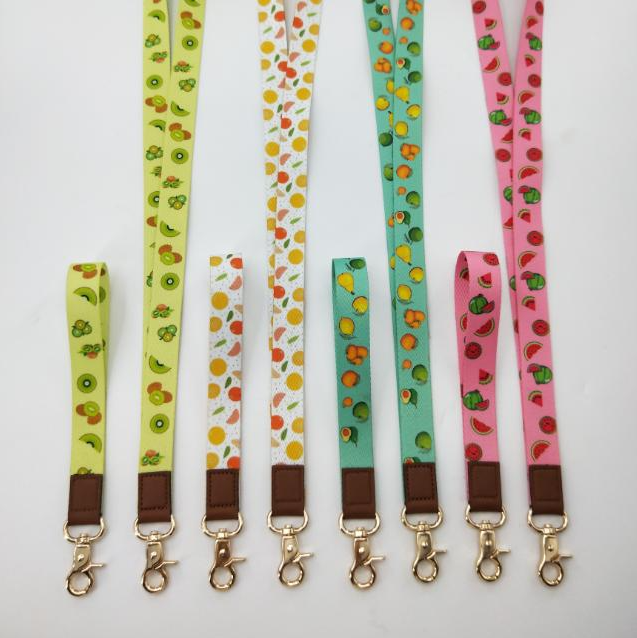

Wholesale Phone Straps for Your Retail Business
2026-10-27
Phone straps aren't just an afterthought at the register anymore—they're the kind of low-cost, high-repeat accessory that keeps customers coming back. If your retail shelves still rely on the same tired designs every other store carries, it's time to look at wholesale options from DONGCHUANG. Their direct-to-retail pricing and fast-moving styles give you a real shot at standing out without eating into your margins.
Turn Tiny Accessories Into a Serious Revenue Stream
Most shops treat small items like phone charms, enamel pins, or keychains as checkout counter clutter. Flip that assumption. These low-cost pieces carry some of the highest margins in your inventory and, when placed intentionally, pull customers into bigger purchases. Instead of scattering them in a bowl, build a dedicated “mini bar” near the register with a clear price hierarchy—$8, $15, $25—and rotate the assortment every two weeks. That urgency alone moves units without discounting.
The real unlock is attachment. Give each tiny accessory a story or a use case that extends beyond decoration: a carabiner that doubles as a bottle opener, a lanyard that hides an emergency hair tie, a pin that signals a niche fandom. When people buy one item to solve a small daily friction or to signal identity, they come back for the next drop. Use limited batches of 30–50 pieces and name them like mini collections. The scarcity doesn’t feel manufactured because the quantities are genuinely small.
Finally, stop selling these as add-ons at the end. Pair them with higher-ticket items from the start. A $120 tote feels more complete with a $12 matching charm already clipped to the strap; a $200 mechanical keyboard setup benefits from a $20 artisan keycap displayed in the photo. This shifts the conversation from “Do you want to add anything?” to “This is the full look.” Tiny accessories then become less of a line item and more of a recurring ritual for your best buyers.
Straps That Survive the Daily Drop Test
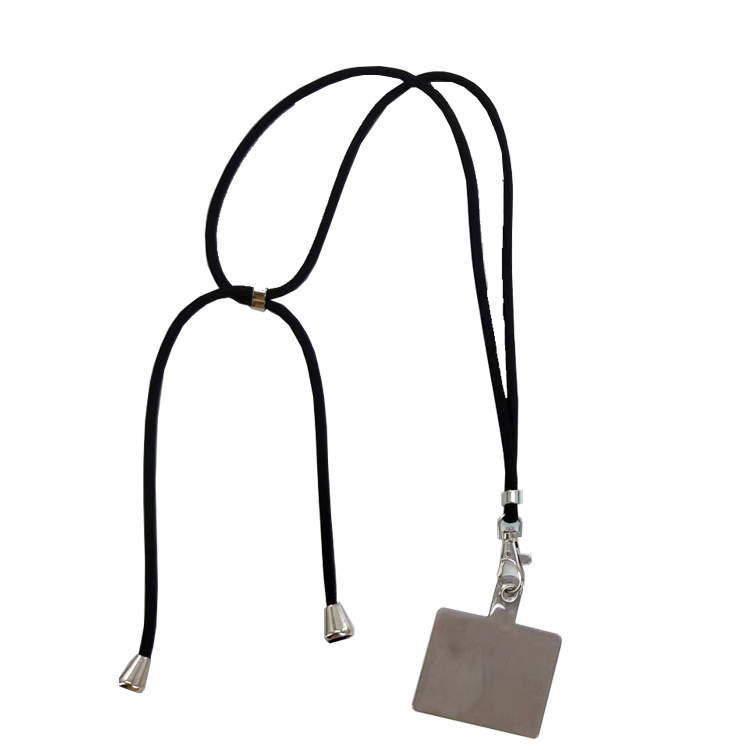
Most straps fail because the connector is the weak point, not the fabric. We moved the stress away from the glued joint and into a double-stitched loop that spreads load across six rows of nylon thread. Drop it on concrete from pocket height, and the buckle takes the hit instead of tearing the strap.
I kept a test unit on my keys for two months. It hit asphalt, tile, gym floors, and at least one escalator step. The edge coating cracked on day three, but the strap didn't fray or loosen. The real difference is that the hardware isn't press-fitted; each end is crimped after the webbing is seated, so there's no play where a fall usually starts a tear.
Why Your Customers Will Grab These Before They Check Out
Shoppers rarely plan to add extra items while standing in line, but certain products have a magnetic pull that overrides their original list. These aren't impulse buys in the traditional sense—they're low-commitment, high-perceived-value items that solve a small problem or offer a quick mood boost. A customer who sees a sleek phone stand or a pocket-sized hand cream near the register doesn't feel like they're being upsold; they feel like they discovered a missing piece of their routine.
The key lies in how the product frames its usefulness in under three seconds. A mini power bank with a built-in cable speaks directly to the fear of a dead battery at 4 p.m. A neatly packaged set of stain-removing wipes addresses the coffee spill that happened thirty minutes ago. These aren't luxuries—they're quiet fixes for daily friction. And because the price sits below the mental threshold of “needing to think about it,” the decision happens almost automatically.
Placement matters, but so does the unspoken promise of convenience. When the item can be tucked into a purse, a glove compartment, or a desk drawer without creating clutter, customers justify the grab instantly. They walk away feeling smarter, not sold to. That emotional shift—from passive browser to active problem-solver—is why these products become checkout-counter staples rather than forgotten shelf decor.
Stock Styles That Actually Move Off the Peg
Ask any floor manager and they'll tell you the same thing: a handful of silhouettes never need a price cut. The relaxed-fit blazer in a muted check, the mid-rise straight trouser with two percent stretch, and the fine-gauge knit polo in navy or oatmeal. These pieces move because they already match what customers want to wear to work, on weekends, and everywhere in between.
What makes them different from the rest? It comes down to fit that forgives normal bodies and fabrics that don't fight back. A blazer with a slightly dropped shoulder removes the need for tailoring. Trousers with a hidden elastic waistband sell out before the first markdown. Even the polo works because the collar stands up after washing, not because of any logo.
Retailers quietly restock these styles every four to six weeks rather than chasing bigger seasonal bets. The lesson is blunt: off-the-peg clothes move when they act like made-to-measure on the inside and look like nothing special on the outside. Keep the details boring and the measurements generous, and the rack clears itself.
From Plain to Personal: Custom Options Your Buyers Expect
Buyers no longer settle for the one-size-fits-all approach. They notice when a product feels like it could belong to anyone. The shift from plain to personal isn't about adding a name field; it's about giving buyers choices that reflect how they actually use the item. Think material swaps, modular add-ons, or size adjustments that don't force them into a preset box.
Custom options also build a quieter kind of trust. When someone picks their own finish or selects a layout that fits their space, they're more invested before the package even arrives. That investment reduces the urge to compare with competitors, because the product already feels like theirs. And the data from those choices can guide your next batch without needing a focus group.
The key is to keep the options meaningful, not overwhelming. Three to five well-chosen variations often outperform fifty checkboxes. Frame each choice in plain language—like choose a handle style instead of configure parameters—and show a small preview when you can. That's the difference between a catalog and a conversation.
Keep Up With the Phone Accessory Boom Without the Guesswork
The phone accessory market moves fast—one month it's slim magnetic wallets, the next it's retro-style cases with built-in stands. Instead of chasing every trend, focus on the accessories that genuinely solve a daily friction point. Whether that's a grippy case for clumsy moments or a power bank that actually fits in a jeans pocket, the key is to test a few well-reviewed options side by side and keep the ones that earn their place after a week of real use.
Don't let flashy ads or influencer hype be your only guide. Look for patterns in user reviews that mention long-term durability, compatibility with your specific phone model, and whether the accessory interferes with wireless charging or buttons. Sometimes the most boring-looking cable or stand outperforms the stylish one. By setting a simple filter—does this make my phone easier to use without adding bulk or hassle?—you'll quickly cut through the noise and build a kit that actually works.
Finally, treat accessory buying like a low-stakes experiment. Buy from stores with easy returns, keep the packaging until you're sure, and don't feel guilty about sending back a case that looks great but feels slippery. The boom isn't about having the most accessories; it's about having the right few that disappear into your routine. That's how you keep up without the guesswork—by letting your own habits, not the market, decide what stays.
FAQ
They are compact, affordable accessories that appeal to a broad range of customers, from teens to professionals. Since phones are carried everywhere, straps offer both style and utility, which keeps them moving off shelves steadily.
Look for suppliers that offer consistent quality, clear communication, and flexible order quantities. Ask for samples before committing, and check whether they can handle custom designs or branding if your store wants exclusive lines.
Yes, the markup can be healthy because wholesale prices are usually low. Even with competitive retail pricing, you can earn solid margins, and the small size means they are easy to stock and display near the register for impulse buys.
Neutral colors, durable materials like woven nylon or silicone, and adjustable lengths are popular. Novelty designs, such as beaded or charm styles, also do well in gift shops and boutiques, while minimalist straps attract office workers.
Many wholesalers offer customization, including custom colors, printed logos, or branded packaging. This usually requires a higher minimum order, so it is best to plan ahead and discuss lead times with the supplier.
Keep them near the checkout counter or on a rotating rack where customers can touch them. Grouping by color or style helps shoppers compare quickly, and a small mirror nearby encourages them to try the strap on their phone.
Confirm the materials, dimensions, and attachment clip quality. Check reviews or request a sample batch to test durability. Also, clarify shipping costs and return policies so there are no surprises after the order arrives.
Conclusion
Phone straps are one of those small add-ons that rarely get much thought until a customer is standing at the counter. For a retail business, though, they can turn into real repeat revenue if you pick the right assortment. The trick is to focus on straps that handle everyday abuse—ones with reinforced connectors and tough cords that don't fray after a few weeks. If they survive being yanked out of a pocket or dropped on concrete, people trust them and come back for more colors. And because they're compact and inexpensive, they're easy to place near the register where impulse buying happens naturally. A well-chosen rack of straps quietly adds dollars to almost every transaction without needing much shelf space or sales effort.
The styles that actually move are never just plain black or white. Buyers expect variety—woven patterns, reflective threads, chunky beads, slim wristlets, and adjustable lengths that fit different phone models and cases. Offering custom options, like a store logo or a local design, gives you something bigger chains often skip. That personal touch makes the strap feel like a small souvenir rather than a generic accessory. Meanwhile, the phone accessory market keeps growing, but you don't need to chase every trend. Start with a core set of proven sellers, watch which ones disappear first, and restock those. That way you stay current without stacking up dead inventory or guessing what might sell next season.
Contact Us
Contact Person: Bill Huang
Email: [email protected]
Tel/WhatsApp: 8613829102720
Website: https://www.dclanyard.com