
Your One-Stop Guide to Petrochemical Industry Events
2026-05-06
From global conferences to niche exhibitions, the petrochemical industry’s calendar is packed with opportunities to learn, network, and innovate. But with so many events vying for attention, how do you separate the signal from the noise? Whether you’re tracking market trends or scouting the latest technologies, having a curated roadmap is essential—and that’s where ICIF comes into play. In this guide, we’ll walk you through the must-attend events that shape the industry’s future, so you never miss a beat.
Fueling Connections: Why Petrochemical Gatherings Matter
In an industry built on molecules and megaprojects, it’s easy to forget the human element. Petrochemical gatherings pull engineers, traders, and executives out of their silos and into the same room, where a casual coffee can spark a joint venture that reshapes supply chains. These events are less about slide decks and more about the unscripted moments—the hallway debates over feedstock pricing or the late-night negotiation that secures a critical logistics contract. Without them, the sector risks becoming a sterile pipeline of transactions, starved of the trust and spontaneity that fuel true partnerships.
What sets petrochemical conferences apart from other industry meetups is their raw, unpolished texture. Here, the conversation isn’t dominated by buzzwords or polished PR; it’s about the nitty-gritty of turnaround schedules, catalyst performance, and the shipping bottleneck at the Houston Ship Channel. A plant manager might corner a technology licensor to grill them on reactor yield data, while a resin buyer quietly scouts for secondary suppliers amid force majeure rumors. These exchanges aren’t just information-sharing—they’re the friction that keeps the market honest and the players sharp.
Beyond the deal-making, these gatherings serve as the industry’s collective gut check. When margins compress and crackers run at reduced rates, the community converges to read the room. Is it a temporary dip or a structural shift? The answers often emerge not from official forecasts, but from the small-group dinners where old-timers swap anecdotes about the last downcycle. That institutional memory, passed over wine and lamb chops, is what helps the sector navigate uncertainty with a blend of data and gut instinct that no dashboard can replicate.
Behind the Scenes of Industry-Shaping Summits
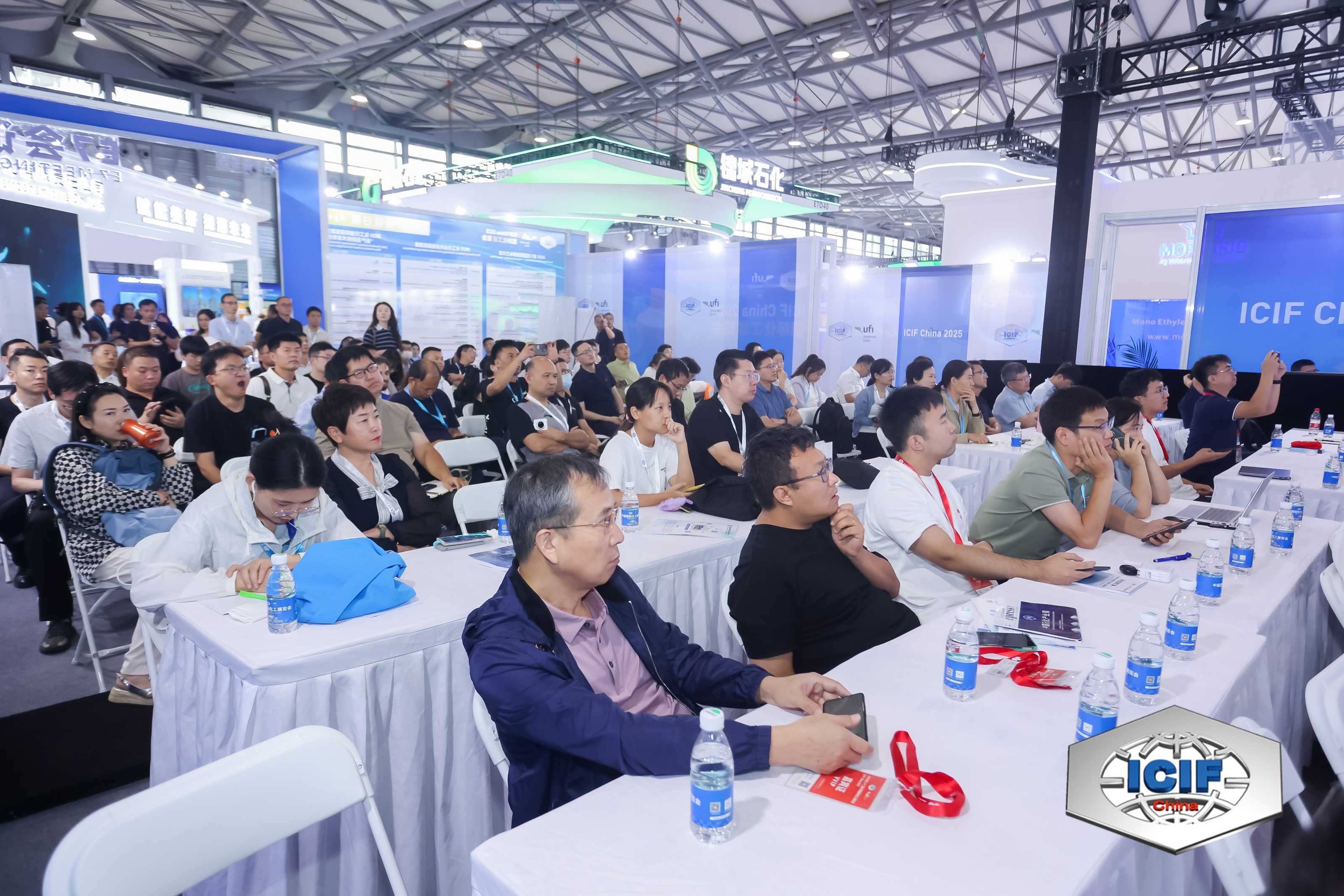
The real pulse of these gatherings beats far from the main stage, in side corridors and private breakfasts where competitors speak candidly and unlikely alliances take root. Organizers know the most consequential moments are unscripted—a chance encounter at the coffee bar can dissolve years of stalemate, while a hastily scribbled diagram on a hotel notepad might reshape a whole supply chain.
Months before the first lanyard is printed, teams obsess over invitations not as a list of names but as a lattice of influence. They map who needs to bump into whom, seeding the attendee pool with quiet catalysts: the regulator who prefers listening over lecturing, the founder whose napkin sketch became a patent, the behind-the-scenes fixer everyone trusts but few know by name. Even the venue’s floor plan is bent toward collision—lounge corners are lit for intimacy, walkways widened just enough to make a stopped conversation feel natural.
Attendees soon learn that the official program is merely the visible tip. The lasting shifts brew in the gaps: grievances aired between sessions, data shared on folded printouts, fragile trust built over a shared frustration with the status quo. By the time the closing reception winds down, the industry’s center of gravity has often nudged in a direction that no keynote could have predicted.
Decoding the Trends That Redefine Petrochemicals
The petrochemical sector is undergoing a quiet but profound transformation as forces once considered peripheral now take center stage. Feedstock flexibility has emerged as a defining dynamic, with operators increasingly turning to lighter alternatives like ethane and even bio-based naphtha to sidestep crude oil volatility and curb emissions. This pivot is not just about cost—it reshapes plant configurations, supply chains, and downstream product portfolios, pushing companies to rethink sourcing strategies that have gone unquestioned for decades.
Simultaneously, the push for circularity is altering material lifecycles in ways that directly challenge traditional output models. Mechanical and advanced recycling technologies are scaling faster than many anticipated, transforming post-consumer waste into viable feedstocks and forcing petrochemical firms to embed recyclability into product design. Alongside this, digital tools—from predictive maintenance to AI-optimised cracking—are quietly rewriting operational rulebooks, unlocking efficiencies that separate the agile from the legacy players. These shifts, though technological in nature, ultimately reflect a sector redefining its identity far beyond bulk chemical production.
Your Passport to High-Impact Networking Hubs
Think of certain gatherings—not just any meetup, but the ones where deals spark over coffee and ideas catch fire before lunch. These are the high-impact networking hubs, the rooms where real momentum lives. It’s not about the biggest crowd; it’s about the right density of decision-makers, creators, and connectors who actually move things forward. Your passport to them isn’t a ticket bought online—it’s a blend of reputation, curiosity, and the quiet confidence that opens doors without knocking too loud.
Getting inside often starts long before you arrive. It’s the article you shared that someone remembered, the thoughtful question you asked in a smaller forum, or the intro made by a mutual contact who trusts your judgment. These hubs aren’t advertised on billboards; they spread through nods and whispers. So your passport gets stamped when you bring something genuine to the exchange—insight, a fresh angle, or simply the ability to listen in a way that makes others feel heard. That’s what converts a handshake into a lasting thread.
Once you’re in, the rhythm changes. Conversations feel less like small talk and more like uncut strategy sessions. You find yourself trading fragments of a new project, troubleshooting a stubborn challenge over a drink, or laughing about the absurdity of chasing trends that never last. The real currency here is momentum; the more you give, the faster it circulates. And unlike a single event badge, this passport doesn’t expire—it simply gains pages with every meaningful exchange.
Where Innovation Meets the Plant Floor
The gap between a clever prototype and a reliable production line is where real progress happens. On this floor, ideas aren't just whiteboard sketches—they're tested against the hum of motors, the rhythm of conveyors, and the scrutiny of experienced operators. Every sensor added, every algorithm tweaked, has to prove itself in aluminum, steel, and sweat.
You'll see engineers and technicians huddled over a tablet, not in a meeting room, but right next to a rumbling press. They're adjusting parameters on the fly, comparing simulation data with the real sound of a bearing that's been running for twelve hours straight. The conversation isn't about theories; it's about torque curves, temperature spikes, and the forty-year-old machine that refuses to behave like its digital twin.
Innovation here isn't a quarterly initiative—it's a constant, gritty negotiation between the possible and the practical. A breakthrough might come from a maintenance worker's observation about a subtle vibration, not just a data scientist's model. The plant floor doesn't just receive innovation; it reshapes it, strips away the unnecessary, and forces solutions to work in the messiest, most honest environment there is.
Navigating the Calendar That Powers Global Production
In the intricate dance of global manufacturing, timing is everything. The calendar that orchestrates production lines across continents isn't just a grid of dates—it's a living framework that balances regional holidays, supplier lead times, and seasonal demand surges. From the Lunar New Year shutdowns in East Asia to summer maintenance pauses in European factories, every block on this schedule carries ripple effects. Mastering it means decoding a rhythm that predates modern logistics, where tradition and commerce collide daily.
Behind every product on a store shelf lies a web of interdependent timelines. A slight shift in one node—say, a delayed shipment from a sub-supplier in Brazil during Carnival—can cascade into weeks of idle assembly lines elsewhere. Professionals who navigate this terrain treat the calendar as both a map and a compass, anticipating friction points like monsoon seasons in South Asia or peak port congestion before Western holidays. It’s less about rigid planning and more about cultivating flexibility, often relying on informal networks of on-the-ground knowledge that no software can fully replace.
Digital tools promise seamless synchronization, yet the calendar’s true power lies in the human ability to interpret its anomalies. Veteran supply chain managers learn to read between the lines: a factory’s output might dip not just during official holidays but also during culturally significant periods like Ramadan, when worker rhythms subtly change. Successful navigation blends data with intuition, respecting local contexts while keeping global wheels turning. In the end, the calendar isn’t just a logistical instrument—it’s a cultural artifact that reveals how connected our world has become, one carefully scheduled day at a time.
FAQ
It serves as a comprehensive resource to keep professionals updated on key conferences, trade shows, and seminars across the globe, helping them plan their participation and stay ahead in the sector.
The guide is refreshed monthly to include newly announced events, changes in dates, and emerging industry topics, ensuring you always have current information at your fingertips.
Professionals across the value chain – from engineers and plant managers to business developers and executives – will find it valuable for networking, learning, and discovering business opportunities.
Yes, we include both in-person and virtual events, recognizing the growing importance of hybrid formats that allow global participation without travel constraints.
You'll find a mix of technical symposiums, market outlook conferences, sustainability forums, and supply chain summits, covering everything from olefins to downstream derivatives.
Simply use our online submission form or email the event details to our editorial team, and after verification, it will be added to the upcoming calendar.
Absolutely, each listed event includes a brief description of key themes, notable speakers, and the main takeaways to help you decide which ones align with your goals.
Conclusion
Staying ahead in petrochemicals means more than tracking crude prices—it demands boots-on-the-ground engagement where deals are born and the future takes shape. This guide puts the entire ecosystem of industry gatherings in your hands, from closed-door summits that quietly redirect capital flows to sprawling exhibitions where refinery floors go digital. Every event matters because these are the moments when supply chain partners become allies, when a coffee-break conversation reveals a process tweak that saves millions, and when disjointed data points crystallize into strategy. We’ve mapped the calendar not just as dates but as waypoints for your business year, highlighting gatherings that blend technical deep dives with the kind of networking that no virtual meeting can replicate.
Beyond the handshakes, this is where the trends shaping tomorrow’s plastics, fuels, and chemicals first surface. You’ll see rival consortia announce pilot plants on the same stage, hear feedstock shifts debated before they hit analyst reports, and watch R&D breakthroughs claw their way from lab curiosity to plant-floor reality. Our curated insight helps you separate signal from noise—pointing you toward the conferences where circular-economy roadmaps get marked up, where carbon-capture economics finally add up, and where young engineers find mentors who rewrite their career arcs. The global production engine runs on these hinges: summits, expos, roundtables. Consider this your operating manual for showing up at the right place, with the right questions, ready to make every handshake count.
Contact Us
Contact Person: Shaozhen Zhou
Email: [email protected]
Tel/WhatsApp: 0086-18612117599
Website: https://en.icif.cn/